Projects fail for simple errors. Deadlines slip. Inspectors push back. I show the most common geocell mistakes and quick fixes so your work passes first time.
Geocell mistakes fall into four groups: selection, installation, tools and materials, and daily maintenance. I explain each group, show field symptoms, and give direct fixes you can apply today. I close with why MJY is a safer partner.
You do not need complex theory. You need short checklists that crews can follow and buyers can copy into RFQs. Keep this page open on site. Share the tables in tool-box talks.
Common Mistakes in Selecting Geocells and How to Avoid Them?
Budgets are tight. Choices look the same. You want the right panel the first time.
Selection mistakes start with wrong cell depth, wrong cell size, and wrong surface finish. The fix is to match load, slope, and infill. Ask for data and set simple acceptance tests.
Match cell depth to load and soil
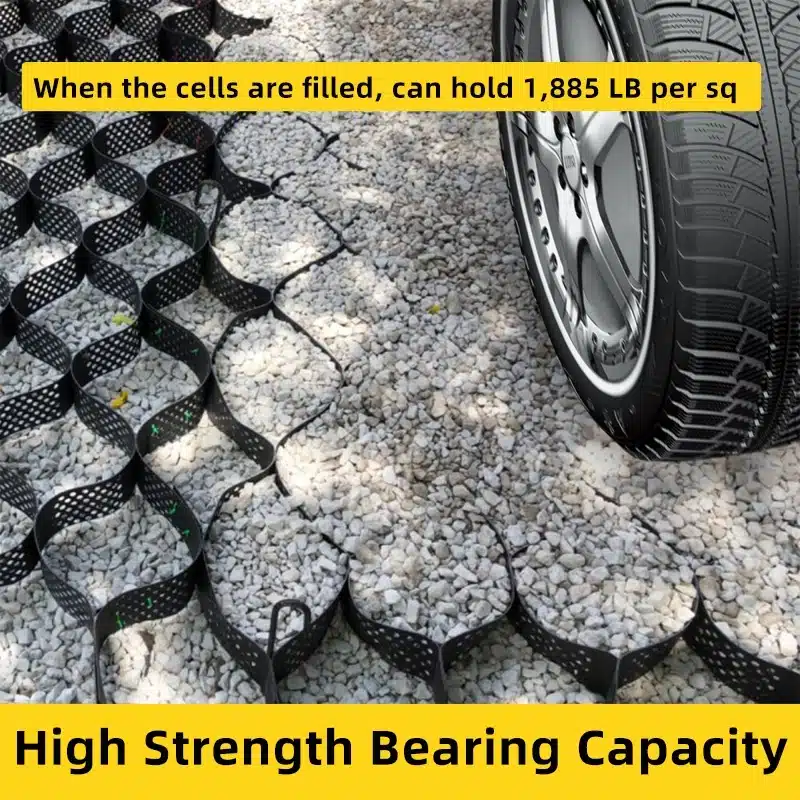
I choose depth for the job, not for the catalog. Shallow cells under heavy trucks collapse or rut. Deep cells on light driveways waste money and raise labor. I check subgrade CBR or undrained shear. I then map CBR to depth. On CBR 1–2, I start at 150–200 mm. On CBR 3–6, I use 100–150 mm. On firm soils, 75–100 mm is often enough. I add a nonwoven separator if fines want to pump. I keep depth uniform so compaction is even.
Fit cell size to the infill
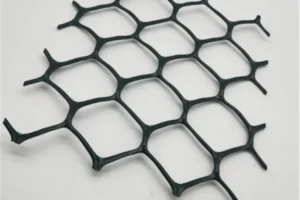
When the cells are too large for the aggregate, you lose that critical interlock and the layer feels unstable. Conversely, oversized stone in small cells leads to bridging and structural voids. I select cell sizes based on the median stone diameter to ensure a tight lock. For green slopes, I prioritize a size that retains the soil mix and maintains enough moisture for roots to establish.
Choose surface finish for the task
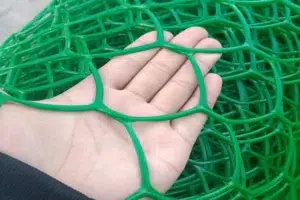
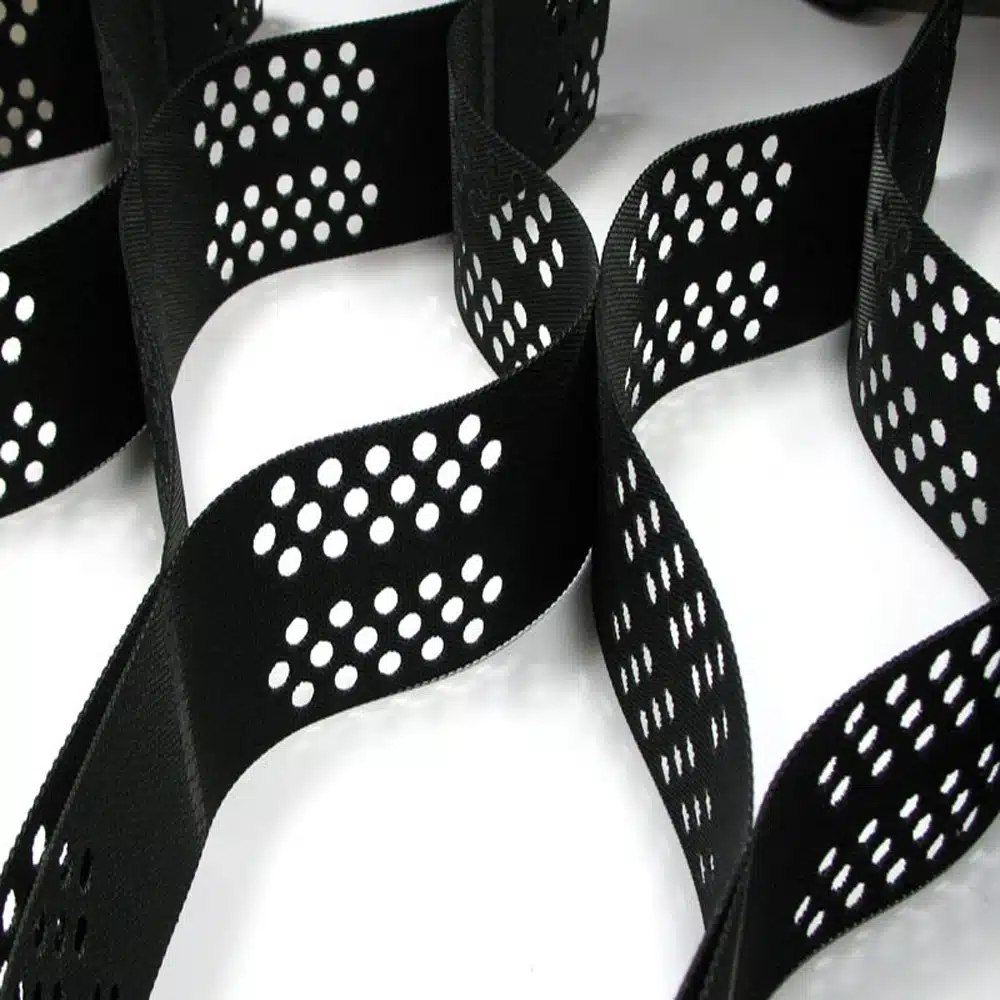
U need textured and perforated cells to lock in infill and let water out. Smooth cells are a liability on steep slopes because they lack grip, and they often trap water where U need drainage most. I match the finish to your site’s grade and water flow. Don’t forget the chemistry—I specify UV-black HDPE for sun exposure and check resin resistance if your soil chemistry is aggressive.
| Decision point | Wrong choice symptom | Better choice guide |
|---|---|---|
| Cell depth too shallow | Early rutting and wave shape | Increase depth one class |
| Cell size too large | Loose feel, movement in cells | Match to median stone |
| Smooth surface on steep slope | Slip during rain | Use textured, add anchors |
| No separator on soft soil | Pumping, mixing | Add nonwoven geotextile |
Common Mistakes in Geocell Installation and How to Avoid Them?
Crews work fast. Small slips grow into big defects. You want a repeatable sequence with clear checks.
Install mistakes include weak subgrade, poor anchoring, uneven expansion, wrong infill, and light compaction. The fix is simple steps with tight limits and photo records per lift.

Prepare the subgrade
If the subgrade is not firm, the whole system settles. I clear soft pockets. I compact to a target like 95 percent Standard Proctor. On wet soils, I add a separator geotextile. I shape a crown or crossfall so water leaves the base.
Expand, align, and anchor
Panels must open fully. Half-open cells lead to thin sections and weak spots. I expand to plan dimensions, align seams, and stagger them. I anchor corners and edges. On slopes, I anchor the crest first, then the toe. I hold anchors below finish grade so they do not pop later.
Place the right infill and compact in lifts
Oversized rock bridges across cells. Clay holds water. I use well-graded, angular stone for load support. I place in 150–200 mm lifts. I compact each lift. I never drag a bucket across exposed cells. I work from filled to empty.
| Step | Typical error | Field fix |
|---|---|---|
| Subgrade | No proof-roll | Rework soft zones |
| Expansion | Cells not fully open | Pull, re-anchor, re-tension |
| Anchoring | Too few stakes | Add anchors on a grid |
| Infill | Rounded or clayey | Switch to angular, graded |
| Compaction | One thick lift | Split into thin lifts |
Common Mistakes and Avoidance Methods When Selecting Geocell Installation Tools and Materials?
Missing tools slow crews. Wrong materials fail tests. You want a short list that works every time.
Tool mistakes include dull knives, weak stakes, and no plate compactor. Material mistakes include thin geotextile, wrong anchors, and low-quality panels. The fix is a kitted bill with backups.
Kit the right tools
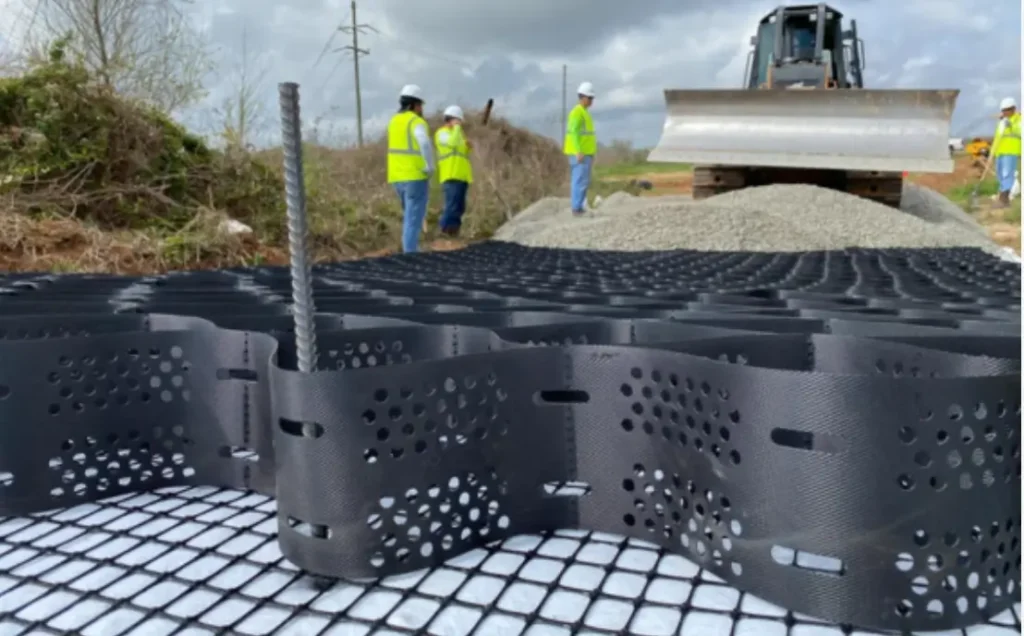
I bring a tape, chalk line, utility knife with spare blades, a rake, a shovel, a plate compactor, and a roller where space allows. I load steel stakes or rebar cut to length. I add a mallet or driver. On rock toes, I bring a hammer drill and anchors for hard substrate. I carry spare connectors or zip ties to secure seams during setup.
Choose proven materials
I use HDPE geocells with documented seam strength and lot labels. I add nonwoven geotextile 150–300 gsm for separation on soft soils. I select anchors long enough to hit firm ground. I order angular aggregate that matches the cell size and the load. For green slopes, I plan a soil mix and a seed plan that fits climate.
Plan quantities and delivery
Panels arrive zone-labeled. Geotextile widths match panels to eliminate waste. Anchors are bundled by area, and aggregate is phased to keep access clear. This logistics flow keeps your crews moving and cuts idle time.
| Item | Bad choice effect | Good choice tip |
|---|---|---|
| Short anchors | Panel creep on slope | Use 300–600 mm length |
| Thin geotextile | Mixing and pumping | 150–300 gsm nonwoven |
| Dull knives | Ragged cuts, delays | Spare blades on hand |
| No plate compactor | Soft finish | Plate each lift, then roller |
Why choose MJY as your geocell partner?
You want quality, speed, and real support. You also want clean documents that pass review.
MJY builds HDPE geocells with ISO control, ships complete kits, and supports crews on site. We help you spec, install, and maintain with fewer surprises and faster approvals.

Manufacturing and quality
We weld HDPE strips with CNC control and log seam strength. We texture and perforate when needed for friction and drainage. Each panel leaves with lot, date, and QR links to mill reports. This traceability speeds submittals and audits.
One-stop supply and logistics
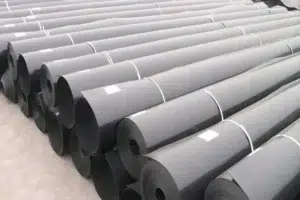
We ship geocells, geotextiles, anchors, and connectors in one load. Pallets are labeled by zone so crews install in order. Mixed loads with geogrid and geomembrane cut handling and delays. Clear packing lists reduce counting errors on site.
Technical support
We review soil data, slope angles, flow rates, and loads. We size cell depth and infill. We give a short method statement and a start-up toolbox talk. If a change hits mid-job, we answer fast and ship spares the same day when possible.
Value and risk control
Better selection, cleaner installs, and simple maintenance save more than a small unit discount. Our approach reduces rework, fuel, and idle time. It also protects your schedule and your margin.
| MJY deliverable | What you get | Why it helps |
|---|---|---|
| ISO manufacturing | Consistent panels | Fewer defects |
| Full documents | MTRs, labels, QR | Fast approvals |
| Kitted shipments | Zone-labeled pallets | Less idle time |
| On-call support | Real people, fast replies | Quick fixes on site |
Conclusion
Select by load, slope, and infill. Install with firm subgrade, full expansion, solid anchors, and thin-lift compaction. Maintain edges and drains. Partner with MJY to cut risk and finish faster.