Where to Buy Geocells
Deadlines are tight, soils are soft, and budgets are fixed. You need a clear path to buy geocells fast, pass inspection, and avoid rework.
You buy geocells from factories, authorized distributors, or vetted B2B platforms. For infrastructure projects, working directly with a reliable geocell manufacturer reduces risk and keeps documentation aligned. Choose by polymer, cell height, expanded cell size, wall thickness, surface texture, perforation, seam strength, and documents. Request samples, verify tests, and lock delivery terms before purchase.
Through this article, you will understand the definition of geocells, clarify the specific meaning of “polyester geogrid geocells,” and learn how to screen suppliers using a simple RFQ to ensure quotations are comparable.
For a broader overview of product categories and production capability, see:
👉 Geocell Manufacturer & Factory in China: https://geosyntheticsmanufacturer.com/geocell/
What Are Geocells?
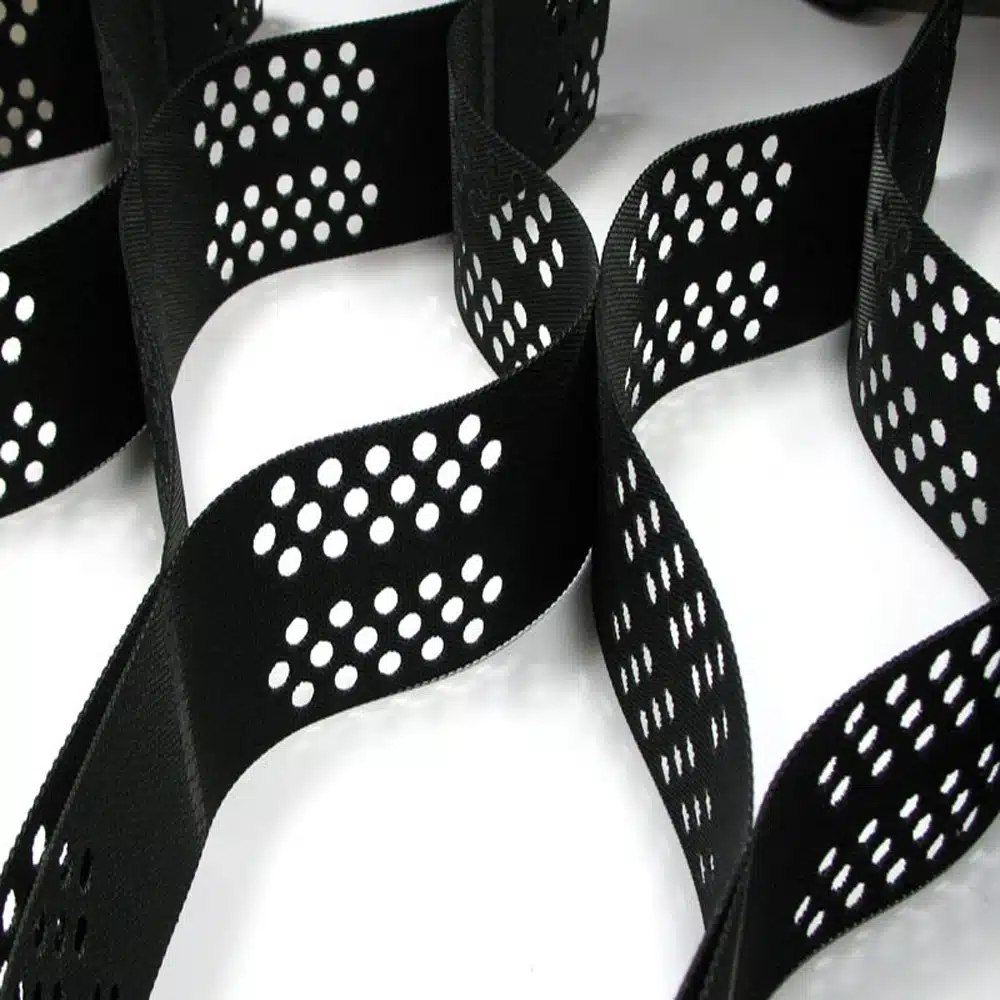
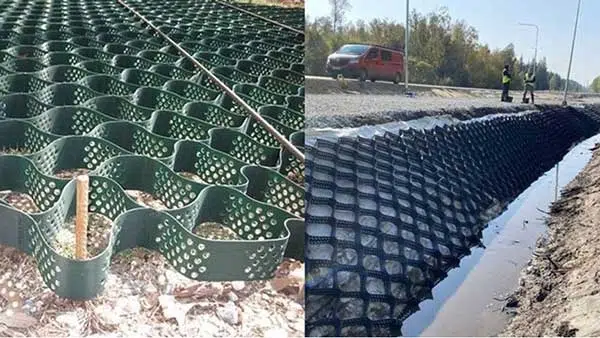
Geocells are HDPE honeycomb panels that confine infill. When you expand, anchor, and fill the cells, the walls create hoop tension. This adds stiffness, reduces rutting, and spreads load so thinner sections carry more traffic.
Dive deeper
Geocells form a three-dimensional cellular confinement system. Each cell acts like a small bucket. When you place crushed stone, gravel, or soil and compact it, the cell walls resist lateral movement. The infill and the cell walls behave like a composite. Under trucks or tracks, load spreads over a larger area, which limits strain in the subgrade. You reduce base thickness, truck cycles, and fuel, while meeting deflection limits and inspection targets.
For procurement, the critical checks are geometry, polymer, seams, and surfaces:
- Cell height controls confinement depth.
- Expanded cell size controls how well the infill locks.
- Wall thickness at pressure controls durability under compaction energy.
- Texture raises interface friction on slopes.
- Perforations improve drainage and soil interaction when you need vegetation or hydraulic flow.
- Seam peel and shear strength control safety during expansion, filling, and service.
Reliable geocell factories provide mill certificates tied to lot labels, recent third-party test reports, and a packing plan that protects edges and welds. These details keep audits short and prevent on-site surprises.
Use geocells for access roads, haul roads, crane pads, yards, shoulders, slope protection, channels, and dune cores. Always separate soft soils from the infill with a non woven geotextile when fines or groundwater are present. This stops pumping and preserves drainage. Keep lifts thin and compact to refusal. Protect open panels from wind and traffic. The right specification makes site work simple and repeatable.
Typical Geocell Specification Reference
| Spec item | Typical options | Why it matters |
|---|---|---|
| Polymer | HDPE, UV-stabilized | Toughness and flexibility |
| Cell height | 50–200 mm | Confinement depth and capacity |
| Expanded cell size | 250–500 mm | Infill lock and surface finish |
| Wall thickness | 1.1–1.7 mm (nominal) | Survivability and shape control |
| Surface | Smooth or textured | Interface friction on slopes |
| Perforation | Solid or perforated | Drainage and vegetation |
| Seam strength | Peel and shear values | Install and service safety |
For heavy-load applications and detailed technical data, review:
👉 https://geosyntheticsmanufacturer.com/geocell/hdpe-geocell/
What Are Polyester Geogrid Geocell?
Polyester geogrid and geocell are two different solutions. PET geogrid is a planar reinforcement mesh. Geocell is a 3D HDPE honeycomb for confinement. You can use them together on very weak soils, but you specify, buy, and install them differently.
Dive deeper
A polyester geogrid is a warp-knitted or woven PET mesh with a protective coating. It delivers high tensile strength at low strain. It reinforces granular layers by interlock and friction along machine and cross directions. It arrives in rolls, lays flat, and sits within a base or embankment as a planar layer. Its key data points are tensile class at small strain, junction strength, and aperture size that matches your aggregate.
You can combine them for very soft ground. Place a PET geogrid under the geocell to reduce overall strain, then rely on the geocell to stop lateral flow of infill. Keep a non woven geotextile below when fines or water are present. Match compaction energy to the wall thickness and protect the seams from point loads. This hybrid reduces aggregate thickness and quickly builds a platform that carries heavy traffic.
Where to Buy Geocells With Confidence?
Buy from factories, authorized distributors, or vetted B2B platforms with clear test data, samples, and logistics plans. For large civil projects, direct procurement from a geocell manufacturer often ensures better traceability and more consistent seam quality.
Use an RFQ template so quotes line up line by line and approvals move fast.
Dive deeper
Start with verification. Ask for a full data sheet showing polymer, UV package, cell height, expanded cell size, wall thickness at a defined pressure, texture, perforation pattern, seam peel and shear strength, panel size, and color. Request recent third-party test reports that match the exact product. Ask for a one-panel sample. Expand the sample and check weld quality, wall thickness with a caliper, and seam integrity.
Check production control. Panels need lot labels that map to test records. Seam strength should be checked at start-up, mid-shift, and end-shift. Packaging should protect edges with corner guards and moisture film. Pallets should be stable and marked with panel count, lot number, and net weight. These steps prevent broken seams and mixed lots on site.
Plan logistics. Confirm MOQ per cell height and color. Confirm standard roll or panel dimensions so forklifts and doorways are not a constraint. Choose Incoterms that match your project: FOB for your forwarder, CFR when you want ocean freight included, or DDP for turnkey import where allowed. For tight windows, split shipments by phase. Ask for HS code, packing list, commercial invoice, and certificate of origin before vessel cut-off so customs clears smoothly.

RFQ Template (Copy and Use)
| RFQ field | Target entry |
|---|---|
| Product | HDPE geocell panels, UV stabilized |
| Cell height | 100 / 150 / 200 mm (state one) |
| Expanded cell size | 330–430 mm |
| Wall thickness | Nominal and at X kPa pressure |
| Surface | Textured or smooth |
| Perforation | Yes / No; pattern if Yes |
| Seam strength | Minimum peel and shear values |
| Accessories | Staples/clips, anchors, tendons if needed |
| Filter layer | Non woven geotextile, gsm and AOST |
| Tests | Third-party reports; lot certs with shipment |
| Packaging | Pallet plan, corner guards, moisture film |
| Incoterms | FOB / CFR / DDP with named port or site |
| Lead time | Days from deposit to ship |
| Samples | One full panel before bulk |
| Training | Short install guide or toolbox talk |
Supplier Evaluation Checklist
| Evaluation item | What to ask for | Red flags |
|---|---|---|
| Third-party tests | Seam peel/shear, thickness at pressure | Old or mismatched reports |
| Samples | One expanded panel | Only small swatches |
| Labels | Lot mapping to certs | Handwritten, no traceability |
| Packing | Edge protection, dry pallets | Crushed corners, water stains |
| Lead time | Firm dates | Vague promises |
| Support | Install notes, quick drawings | No technical reply |
Conclusion
Buy geocells from proven sources. Specify geometry and seams. Verify tests and packing. Align logistics early.
When you source from an experienced geocell factory, your road, slope, or channel builds faster and passes inspection with fewer delays.
If you need category overview and factory capability, visit:
👉 https://geosyntheticsmanufacturer.com/geocell/