What is geotextile fabric?
I see unstable soil, clogged bases, and failed driveways. You want clean specs and a quick path to approval. Let me make geotextile simple.
Geotextile fabric is an engineered filter and separator. It keeps layers clean, moves water as designed, and adds strength to the section. You choose woven or non woven based on function, then set key properties like AOS and permittivity.
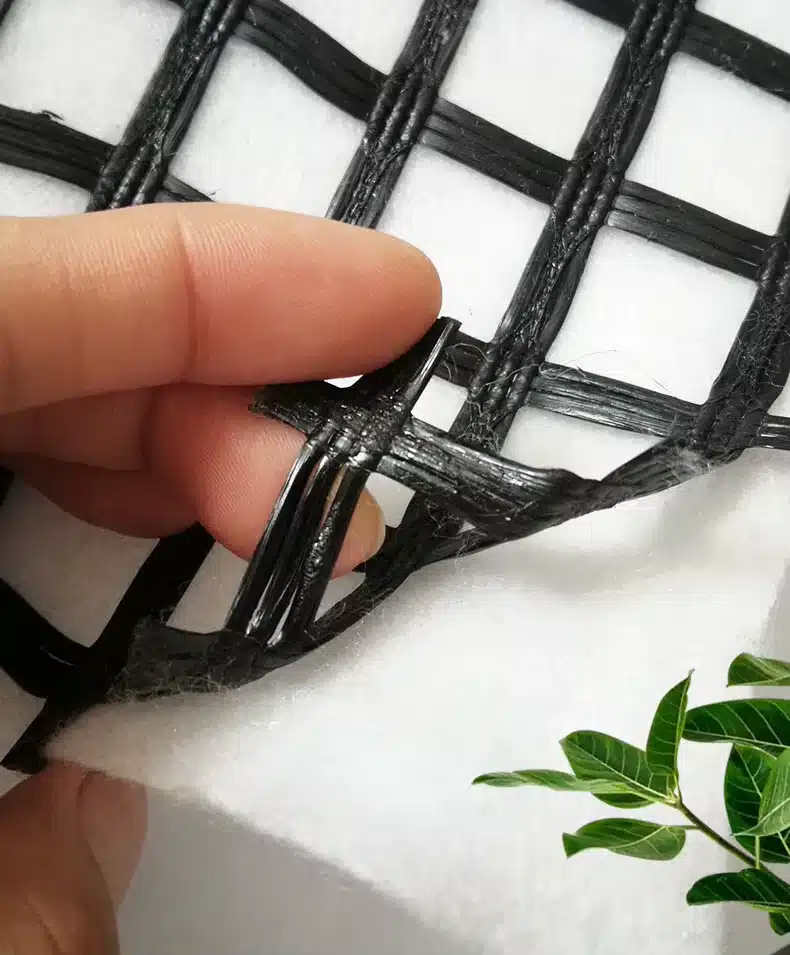
Good projects start with clear rules. I share field-tested specs, simple installation steps, and a cost frame that buyers can verify. Keep this page open when you write your PO or RFQ.
Geotextile Fabric Driveway: Specs, Installation Steps, and Cost?
Soft subgrade causes pumping, rutting, and callbacks. You want a clean base that stays clean.
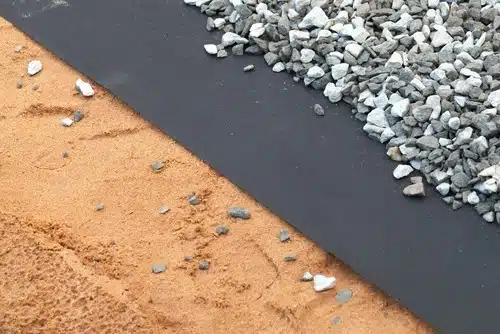
For a geotextile fabric driveway, I use non woven for filtration and separation. I set AOS to the soil, permittivity to flow, and survivability to the traffic during construction.
Dive deeper
What problem the fabric must solve
A driveway needs separation first. Fines from subgrade must not contaminate the base. It also needs filtration. Water must leave the base without carrying fines. I choose non woven geotextile fabric because it handles both in one layer. It is forgiving, easy to place, and works with mixed soils.
How I set the three core properties
I set AOS (apparent opening size) near the soil’s D85–D90. This keeps fines in place and still lets water pass. I set permittivity to meet expected flow. Clayey soils need lower AOS and enough flow under head. Sandy soils accept a larger AOS. I set survivability by traffic and aggregate. If the site uses angular rock and heavy trucks, I step up gsm and CBR puncture.
Steps that crews can follow
1) Grade and compact the subgrade. Remove organics and soft pockets.
2) Roll out fabric geotextile flat, with overlaps 300–450 mm along roll edges.
3) Pin only as needed to hold position. Avoid wrinkles.
4) Place base aggregate from the edge forward. Do not dump directly on bare fabric. Feather the first lift.
5) Compact in thin lifts. Keep wheels off exposed fabric.
Cost frame buyers can check
You can model cost by area. The table gives a simple bill that purchasers and crews both understand.
| Item | Typical value | Notes |
|---|---|---|
| Fabric type | Non woven geotextile fabric, 200–300 gsm | Separation + filtration |
| AOS target | Soil D85–D90 match | Pull from sieve data |
| Overlap | 300–450 mm | More on soft subgrade |
| Base thickness | 150–300 mm | Traffic dependent |
| Installed fabric cost | 0.8–1.8 USD/m² | Region and gsm vary |
Keep edges confined with a curb or timber. This stops lateral loss and protects your spend.
Woven Geotextile Fabric: Applications, Strength Ratings, and Specs?
Some sites need higher tensile and low stretch. You want stable geometry under wheel loads.
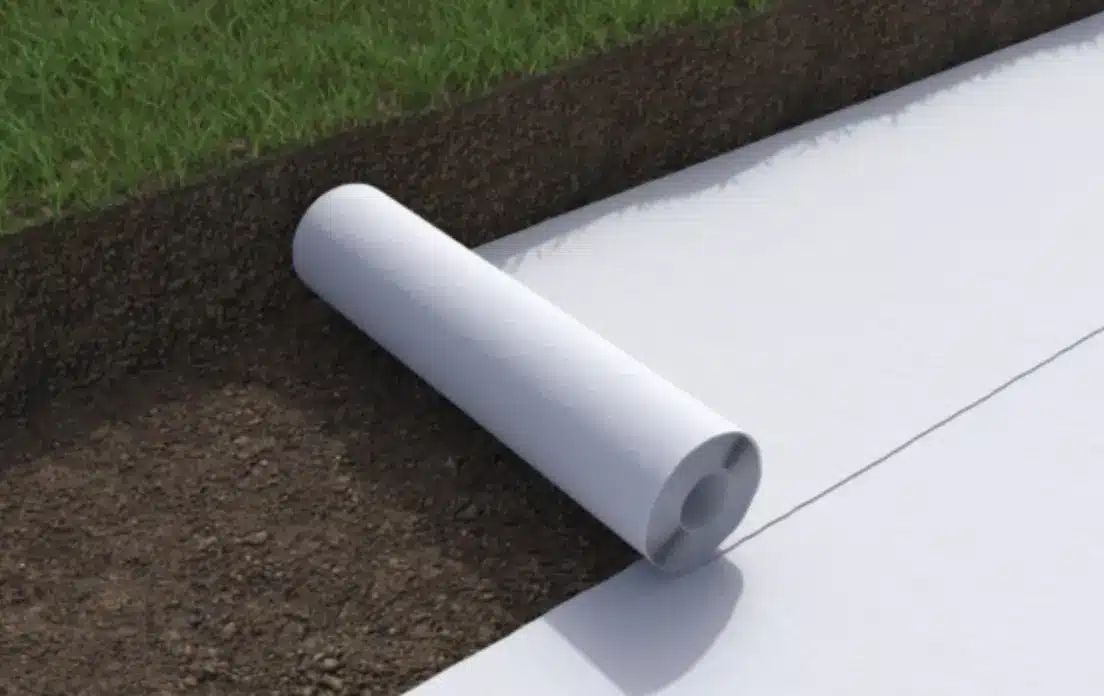
Woven geotextile fabric gives high tensile per gsm and low elongation. I use it for separation and reinforcement where ruts and shear are the risk.
Dive deeper
Where woven wins
Woven fabric has interlaced yarns that resist stretch. It spreads load and limits deformation. I choose it for weak subgrades under gravel yards, temporary haul roads, and pads. It also sits well under geogrid when the design needs extra control in the first days of trafficking.
Picking the rating that matches your section
I look at wide-width tensile, elongation at break, and CBR puncture. Wide-width tensile of 20–70 kN/m covers most light to heavy yards. Lower elongation helps keep a tight base. For survivability, I set CBR puncture above 1.5–3.0 kN with angular aggregate. I also review seam strength if panels will be sewn. If the project has a long service life under dynamic loads, I check UV stability and creep behavior.
Simple spec map
Use numbers that inspectors can verify on a roll tag and a mill cert. You do not need a thick spec to get good control.
| Parameter | Typical range | Why it matters |
|---|---|---|
| Wide-width tensile | 20–70 kN/m | Resists rutting and spread |
| Elongation | 10–25% | Controls deformation |
| CBR puncture | 1.5–3.0 kN | Survives placement and compaction |
| AOS | 0.15–0.6 mm | Stops fines from pumping |
| UV stability | ≥70% at 500 h | Outdoor exposure safety margin |
When filtration is the main goal, I go back to non woven. When geometry matters most, woven is my first pick.
Non Woven Geotextile Fabric: Filtration, Drainage, AOS/Permittivity & Applications?
Silty water clogs bases and drains. You need stable flow and clean layers.
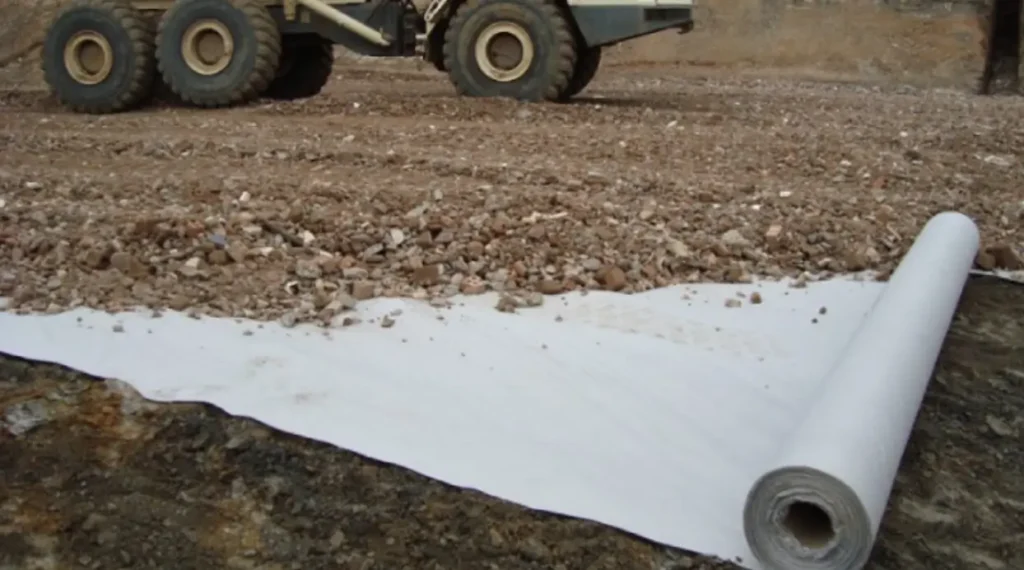
Non woven geotextile fabric filters, drains, and cushions. It pairs with aggregates and liners and protects the section for years.
Dive deeper
Why needle-punched works for flow
Non woven has a 3D pore network. Water moves through the thickness while the matrix holds fines back. That is why I use it under riprap, behind retaining walls, and under driveways. It also cushions geomembranes from angular stone. The same roll can handle several functions in one build.
How I set AOS and permittivity without guesswork
I match AOS to soil gradation. I pull D85–D90 from a sieve curve and choose an AOS just below that. This prevents long-term piping. I set permittivity so the filter passes the design flow under head. If I lack full data, I choose a product with known performance in similar soils and add safety with a thicker grade. I always check transmissivity if the fabric will carry in-plane flow, like behind walls or under drains.
Use cases you can quote
Driveway separation and filtration, French drains, under-drain wraps, behind-wall filters, shoreline protection, and liner cushion. I keep gsm between 150–400 for most civil uses. I go heavier when the aggregate is sharp or construction traffic is intense.
| Function | Preferred spec | Key check |
|---|---|---|
| Driveway filter | 200–300 gsm, AOS to soil | Permittivity ≥ design |
| French drain wrap | 150–250 gsm | Transmissivity under load |
| Wall back drain | 200–300 gsm | Clogging resistance |
| Liner cushion | 400–800 gsm | Thickness under load |
You get fewer callbacks when the filter matches the soil and the crew compacts in thin lifts.
How do I choose between woven and non woven for a geotextile fabric driveway?
Too many options slow orders. You want a clear rule.
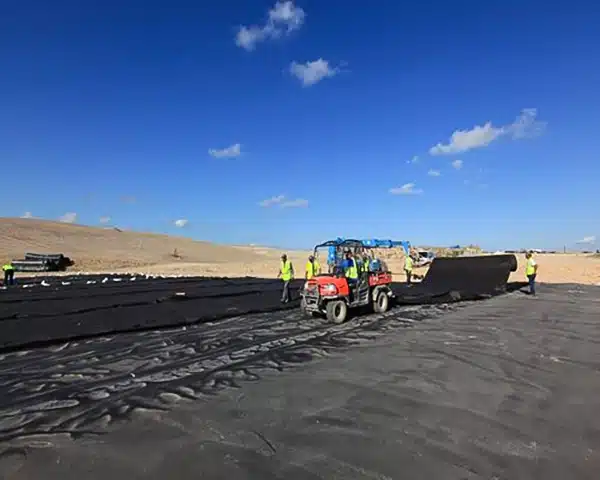
I use non woven for most driveways due to filtration and easy placement. I move to woven if subgrade needs extra tensile control.
Dive deeper
Decision steps that fit on one page
Step 1: Define the main function. If the main need is separation and filtration, choose non woven. If the main need is reinforcement with low stretch, consider woven.
Step 2: Read the soil. If the soil has silts and clays, filtration is critical. Set AOS to D85–D90, and ensure permittivity.
Step 3: Check traffic during build. If heavy trucks will traffic the fabric before cover, raise survivability. That can mean higher gsm non woven or a woven with higher CBR puncture.
Step 4: Confirm aggregate. Angular, large stone needs tougher fabric. Round, well-graded stone is kinder.
Step 5: Lock edges. Provide edge restraint so the base does not spread.
Quick rule-of-thumb table
| Site condition | My pick | Why |
|---|---|---|
| Silty clay subgrade | Non woven 250–300 gsm | Filtration + separation |
| Clean sand subgrade | Woven 20–40 kN/m or non woven 200–250 gsm | Separation; either works |
| Heavy site traffic | Woven or non woven 300–400 gsm | Survivability first |
| Liner protection | Non woven 400–800 gsm | Cushion under load |
This keeps orders fast and defensible. Inspectors can verify each number.
What do AOS, permittivity, and transmissivity mean in simple terms?
Specs look abstract. You want plain words you can repeat to a buyer.
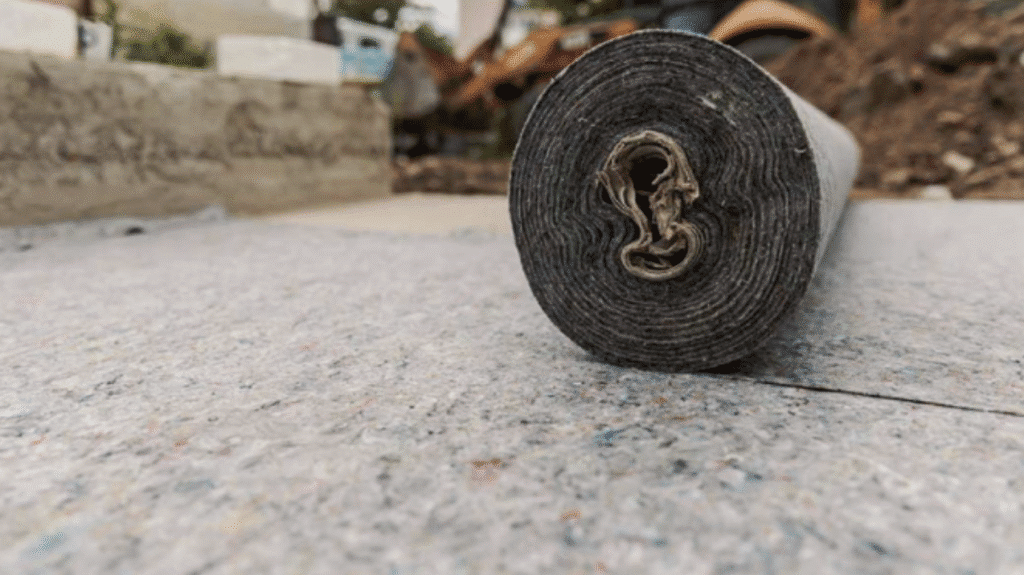
AOS sizes the pores, permittivity measures through-thickness flow, and transmissivity measures in-plane flow under load.
Dive deeper
Three properties, one picture
I explain AOS as the gate size. If the gate is too big, fines pass and the system clogs downstream. If the gate is too small, the fabric clogs. I set AOS by the soil’s grain size. I explain permittivity as the speed at which water crosses the fabric per unit head. Higher permittivity lets water escape the base faster. I explain transmissivity as the water that runs inside the sheet, like a flat drain, when the fabric is compressed by soil. Behind walls and under drains, transmissivity matters because the fabric will carry water laterally.
How to write a spec line that works
Use short lines that tie back to tests. Example: “Non woven geotextile fabric, mass 250 gsm minimum; AOS O95 0.21–0.30 mm per ASTM; permittivity ≥ 1.0 s⁻¹; CBR puncture ≥ 1.8 kN; UV retention ≥ 70% at 500 h.” The inspector can match this to the roll label and the mill cert. The contractor knows what will pass. The buyer knows what to pay for.
| Property | Plain meaning | Typical test |
|---|---|---|
| AOS (O95) | Pore size | ASTM D4751 |
| Permittivity | Vertical flow rate | ASTM D4491 |
| Transmissivity | In-plane flow | ASTM D4716 |
| CBR puncture | Survivability | ASTM D6241 |
Short specs prevent disputes and speed approvals.
FAQ
Q1: Can I use woven geotextile fabric under a permeable driveway?
A1: Yes, but I prefer non woven when filtration is critical. Woven controls stretch. Non woven manages water and fines better.
Q2: How wide should overlaps be for a geotextile fabric driveway?
A2: I use 300–450 mm. I increase overlaps on very soft subgrades or steep grades.
Q3: Does fabric geotextile replace a geogrid?
A3: No. Geotextile separates and filters. Geogrid provides interlock and reinforcement. Many designs use both.
Q4: What weight should I choose?
A4: Most driveways perform well with 200–300 gsm non woven. Heavy traffic or sharp stone may need 300–400 gsm.
Q5: Do I need a geotextile under a crushed stone path?
A5: Yes, if you want to stop fines from pumping. It reduces maintenance and keeps the surface clean.
Conclusion
Choose function first. Set AOS to soil, set flow to need, and match survivability to traffic. Woven controls geometry. Non woven controls water and fines. Keep specs short and testable.