What Are the Applications of Geonet?
U need drainage that stays open under load and keeps structures dry over decades. Geonets—a class of geonet geosynthetics—deliver high in-plane flow to collect and convey liquids or gases while resisting long-term compression. Below is a contractor-ready, spec-oriented guide to where geonets fit and how to choose them.
What Is a Geonet & How It Works
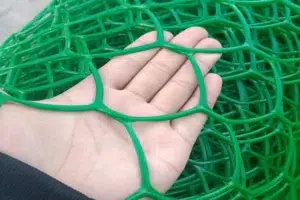
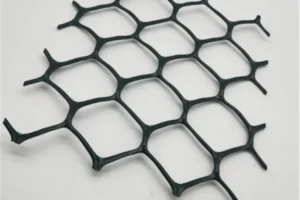
- Structure & materials (geonetting) A geonet is a polymer (typically HDPE) core formed as a tri-planar or bi-planar geonetting lattice. The rib geometry creates continuous channels for in-plane transmissivity. Compared with geotextiles, geonets are purpose-built to drain laterally under sustained load without collapsing.
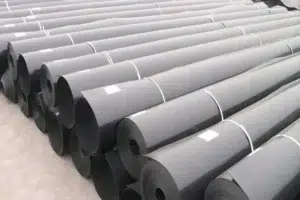
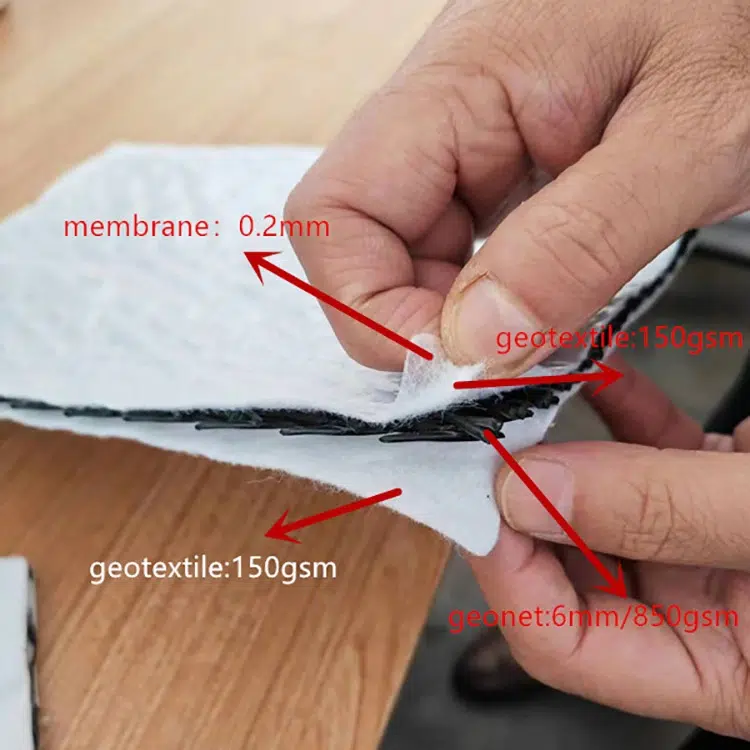
- Geonet–geotextile composites (geonet geotextile) Most projects specify a geonet geotextile laminate (aka drainage composite): nonwoven geotextiles are bonded to one or both sides of the geonet core to act as filters and separators. The geotextiles keep fines out of the core; the core provides high flow capacity.
Where Geonets Are Used (Top Applications)
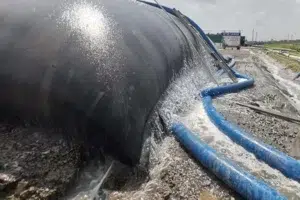
- Landfills & environmental containment Primary uses include leachate collection layers, leak-detection layers between liners, and gas venting beneath caps. Here, geonets sit between geomembranes with nonwoven filters, maintaining high transmissivity at very low gradients.
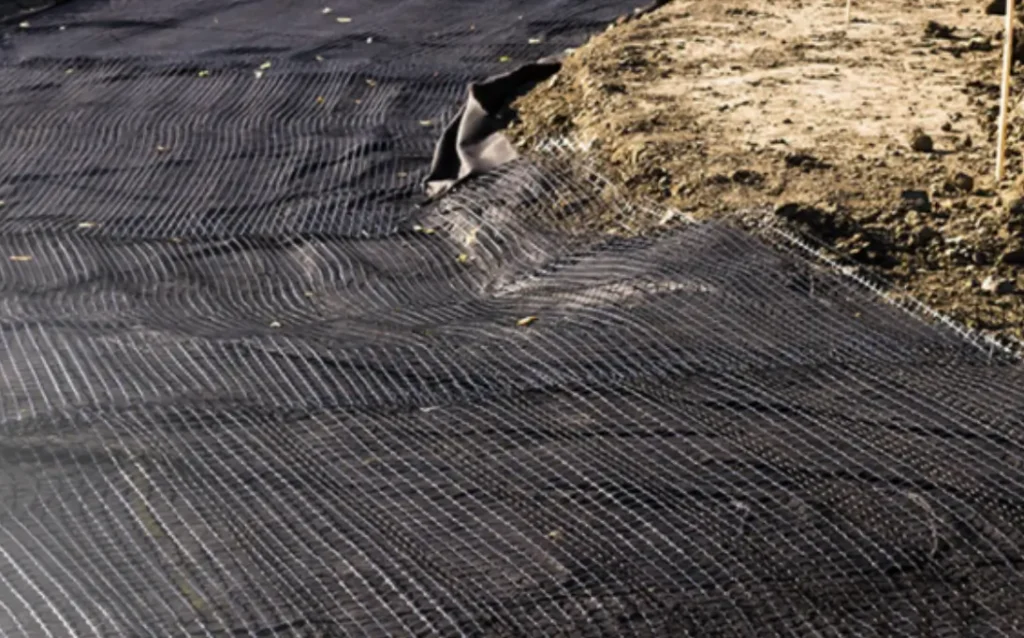
- Roads, rails, and embankments Under pavements and ballast, geonets function as subsurface drainage layers to intercept pore water and relieve hydrostatic pressure, reducing pumping and extending pavement life. They also serve behind geogrid/retaining wall systems as chimney drains (when specified).
Special Applications & Design Notes
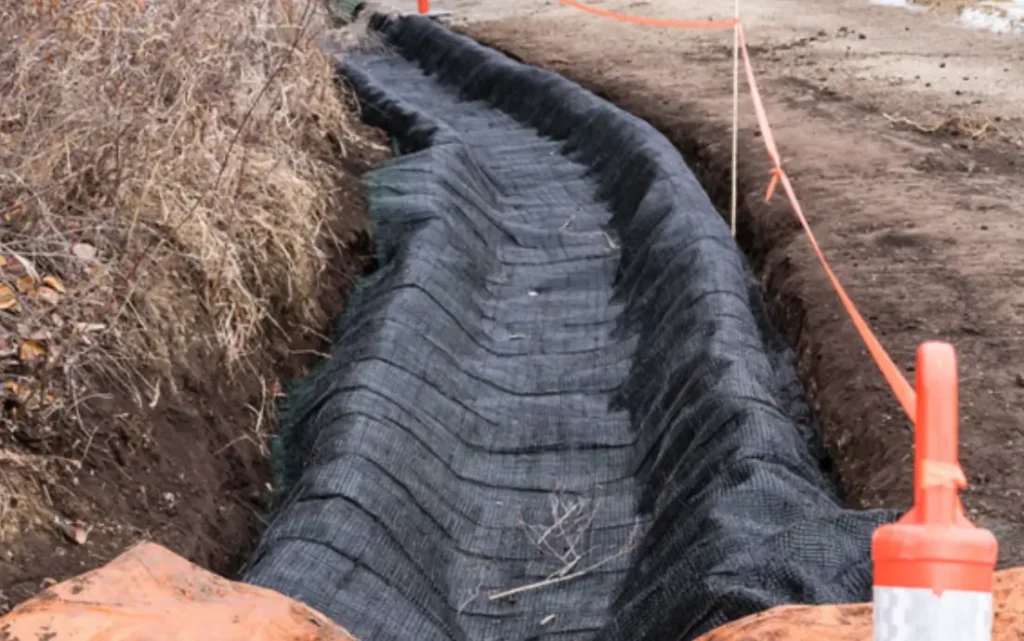
- Walls, slopes, tunnels, green roofs Behind MSE walls and cut slopes, geonets collect seepage and route it to outlets, protecting facings and preventing softening. In tunnels and podium decks, geonets move water away from the waterproofing. On green roofs, thin composites provide lightweight drainage mats.
- Selection criteria (spec checklist) Choose geonet geosynthetics by:
- Transmissivity (θ) under design normal load and gradient;
- Creep resistance and long-term flow (reduction factors applied);
- Interface friction where geonet lies against liners or concrete;
- Clogging resistance of the geonet geotextile filter;
- Chemical/thermal durability for the service environment.
Conclusion
If U need reliable, long-term drainage in thin sections, specify geonets or geonet geotextile composites. Typical wins include: leachate and gas management in landfills, subsurface drainage for transportation works, seepage control behind walls and slopes, and lightweight drainage for decks, tunnels, and green roofs. Match rib geometry and composite filters to the load, gradient, and soil gradation—then verify transmissivity with appropriate reduction factors. That’s how geonetting keeps structures dry and serviceable for the long haul.