Learn what a geomembrane liner is, its uses, benefits, and key features for reliable environmental protection and containment solutions
Overview of HDPE Geomembrane
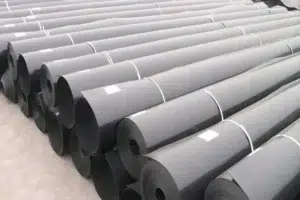
A geomembrane liner is a synthetic membrane barrier with extremely low permeability, engineered to control fluid migration in geotechnical projects. Among the available materials, High-Density Polyethylene (HDPE) is the most widely utilized geomembrane liner material globally. It serves as a critical component in civil engineering, offering a reliable solution for containment and hydraulic barrier applications.
The Importance of Geomembranes in Waste Management
In the waste management sector, the geomembrane lining system acts as the primary defense against environmental contamination. These liners are essential for preventing hazardous leachates from infiltrating groundwater and soil. By deploying a robust geomembrane liner system, facility operators ensure compliance with stringent environmental regulations and prevent ecological disasters associated with landfill leakage.
Properties of HDPE Geomembrane
The popularity of HDPE in geomembrane lining stems from its superior physical properties that outperform other synthetics. It provides a secure barrier even in harsh conditions. Key properties include:
- Impermeability: Acts as an absolute barrier to liquids and gases.
- UV Resistance: Contains carbon black to withstand prolonged sun exposure.
- Mechanical Strength: High tear and puncture resistance suitable for rugged terrain.
Durability and Chemical Resistance
The longevity of geomembranes/ liner solutions is defined by their resistance to environmental stress. HDPE offers outstanding chemical resistance, withstanding exposure to aggressive acids, alkalis, and oils often found in industrial waste. This chemical inertness prevents stress cracking and ensures the geomembrane lining service life extends for decades, making it a cost-effective choice for long-term containment projects.
Applications of HDPE Liner in Waste Management
In the waste management world, we often use geomembrane liners to prevent the leakage of hazardous materials. The material properties of high-density polyethylene (HDPE) are particularly suitable for this job.
Landfills
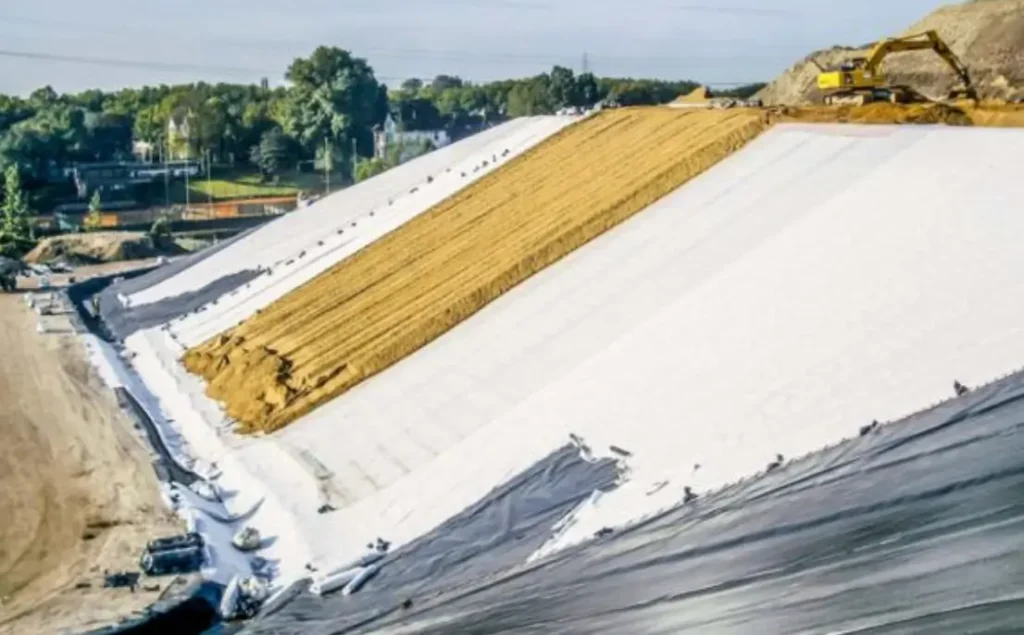
This is the most commonly used application scenario by our partners in the United States. Today, with increasing demands for environmental protection, simple pits in landfills cannot solve the problem. We typically install a composite geomembrane lining system at the bottom. It is the primary barrier between waste and the underlying groundwater.
- Leachate Control: The liner geomembrane prevents toxic leachate—the liquid formed when rain passes through waste—from seeping into the soil and contaminating aquifers.
- Capping: Once a landfill cell is full, we use a geomembrane liner material to cap it. This prevents rainwater from entering the pile and generating more leachate, effectively sealing the site.
Wastewater Treatment Facilities
Although concrete tanks are a common configuration in wastewater treatment plants, they are prone to cracking and corrosion over time. This is why I always recommend adding a geomembrane liner to the concrete to reinforce these facilities. Geomembrane liners provide flexibility and chemical resistance that concrete cannot match.
- Corrosion Protection: Geomembranes protect concrete structures from the corrosive acids and alkalis found in wastewater.
- Leak Prevention: Adding a proper geomembrane liner to the project ensures that untreated wastewater cannot escape, allowing the facility to comply with strict EPA regulations.
Containment Ponds
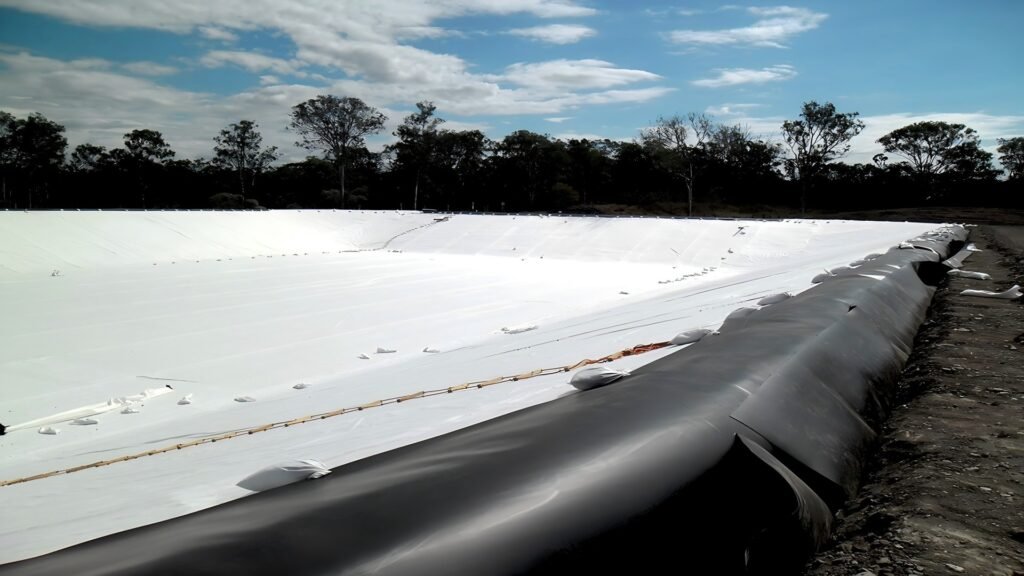
From agricultural manure pits to industrial evaporation ponds, preventing leaks is a basic requirement. A high-quality geomembrane liner product is crucial here, as these ponds are often directly exposed to the elements and require a strong and durable geomembrane to prevent leakage.
- UV Resistance: The geomembranes/ liner must withstand direct sunlight without becoming brittle or degrading.
- Versatility: Whether holding mining slurry, fracking fluids, or storm water runoff, the liner ensures the liquid stays contained until it can be treated or evaporated. Using a reliable geomembrane liner system prevents soil saturation and protects local water tables.
Advantages of Using HDPE Geomembrane Liner
When we look at the options for containment, the High-Density Polyethylene (HDPE) geomembrane liner consistently comes out on top. It isn’t just about holding water or waste; it is about reliability and performance under pressure. As someone deeply involved in this industry, I have seen firsthand how switching to a high-quality HDPE geomembrane liner product can transform a project’s success rate.
Cost-effectiveness
In the United States construction and waste management sectors, budget is always a driving factor. HDPE offers the best bang for your buck compared to traditional methods like compacted clay or concrete. The savings aren’t just in the raw geomembrane liner material costs; they trickle down through the entire installation process.
- Lower Material Costs: HDPE is generally less expensive per square foot than other flexible membrane liners (FMLs) or rigid containment structures.
- Reduced Transportation: The material is lightweight and comes in tight rolls, cutting down on freight costs.
- Faster Installation: A professional geomembrane lining service can deploy acres of liner quickly. The welding process is efficient, reducing labor hours and getting the site operational sooner.
- Minimal Maintenance: Once installed, a quality liner geomembrane requires very little upkeep, saving operational costs over the long haul.
Environmental Protection
For us, protecting the environment isn’t just a regulatory requirement; it’s a moral obligation. A robust geomembrane lining system acts as the critical barrier between hazardous materials and our ecosystem. The impermeability of HDPE is unmatched, making it the go-to choice for projects where zero leakage is the standard.
We rely on this geomembrane lining to prevent contaminants from leaching into the groundwater. Whether it is a landfill or a chemical holding pond, the chemical resistance of HDPE ensures that aggressive substances don’t degrade the liner. It stands up to acids, alkalis, and oils that would eat through other materials, ensuring that the geomembrane liner system keeps the surrounding soil and water tables safe.
Long Lifespan
Nobody wants to dig up a landfill or drain a reservoir to replace a failed liner after five years. Durability is where HDPE truly shines. When properly installed, a high-quality geomembranes/ liner can last for decades—often exceeding 50 to 100 years depending on the exposure conditions.
- UV Resistance: Carbon black is added to the HDPE formulation, providing excellent protection against UV degradation for exposed applications.
- Stress Crack Resistance: The material is engineered to withstand environmental stress cracking, ensuring the liner geomembrana remains intact even under heavy loads or shifting ground conditions.
- Temperature Tolerance: From freezing winters in the Midwest to scorching summers in the Southwest, HDPE maintains its integrity across a wide temperature range.
Selecting the Right Geomembrane Liner
When I evaluate a project, I know that the long-term success of any containment strategy hinges on selecting the specific geomembrane liner product that fits the site’s unique demands. It is never a one-size-fits-all situation; the wrong choice can lead to costly environmental breaches and regulatory fines.
Factors to Consider
You have to look closely at the specific geomembrane liner material properties to ensure they match the engineering requirements of your site. 13
This is a priority for our customers:
- Chemical Compatibility: If you are dealing with industrial waste or leachate, then you will need a liner geomembrane that will not degrade when exposed to harsh chemicals. HDPE is usually the first choice here because of its broad resistance.
- Thickness and Durability: For heavy-duty applications like solid waste landfills, a thicker geomembrane lining (typically 60 mil or higher) is non-negotiable to prevent punctures from the subgrade or waste material.
- Surface Texture: On steep slopes, you should choose a textured geomembrane liner to increase friction and prevent the soil cover from sliding off. Smooth liners are typically used on flat pond bottoms.
- UV Resistance: In many US regions, the sun destroys weak plastic. High-quality carbon black stabilization is essential for any exposed geomembranes/ liner to ensure it lasts for decades without becoming brittle.
Choosing the Right Supplier
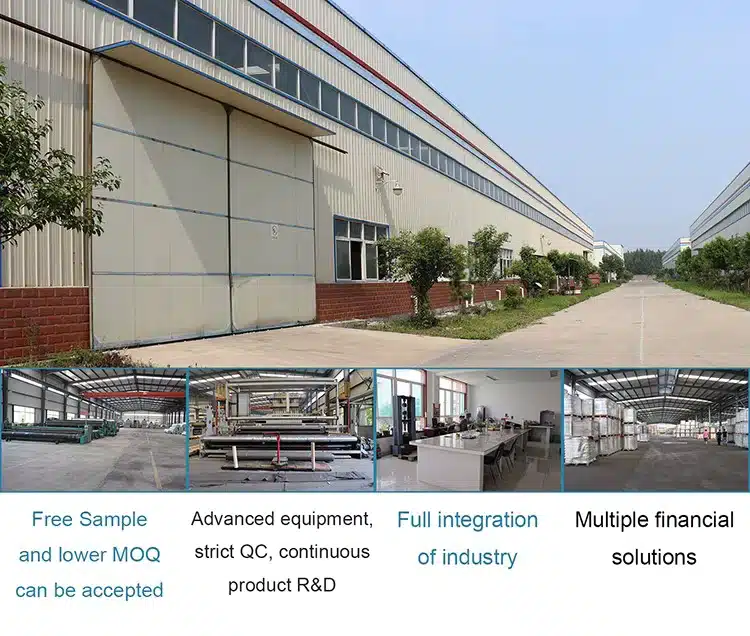
Choosing a supplier is about more than just price per square foot. It’s about whether you can trust the factory to deliver consistent quality, stable compliance documentation, and on-time shipments so your projects stay safe, legal, and on schedule.
- Quality Assurance: You need a geosynthetic manufacturer that can provide complete test reports for every production batch and roll and comply with GRI-GM13 requirements for HDPE geomembranes (and associated ASTM/ISO methods). The MJY factory has a complete routine quality control process from raw materials to finished rolls and supports batch traceability so you can verify whether the geomembrane material you receive matches what you specified.
- Technical support (design + welding guidance): Even high-quality materials can fail if used incorrectly. A competent shop should help you confirm thickness selection, smooth vs. texture selection, panel layout planning, welding parameters and QA/QC on-site inspection (vacuum chamber, air pressure testing, spark testing (if applicable)). MJY provides you with practical free technical guidance to avoid common failure points on site.
- Inventory and logistics (reliable delivery times, fewer delays):On a construction site, delays equal costs. You want a factory with stable production capacity, standard packaging, clear shipping documents, and rich export experience. MJY schedules production according to your delivery window, prepares export packaging (labels, pallets (if required)), and supports sea/air freight planning so that you receive your geomembrane liner accurately when ready for deployment and keep downtime low.