A liner can have a familiar HDPE label and still be a poor chemical-containment choice if the liquid, concentration, temperature, exposure time, seam condition, and project design were never reviewed together.
HDPE geomembrane may be considered for chemical containment when the specific liquid, concentration, temperature, exposure duration, liner thickness, seam plan, and containment design are evaluated together. Buyers should not treat generic chemical-resistance claims as project approval.
The RFQ needs enough process information for the project team and supplier to identify what must be confirmed before material selection.
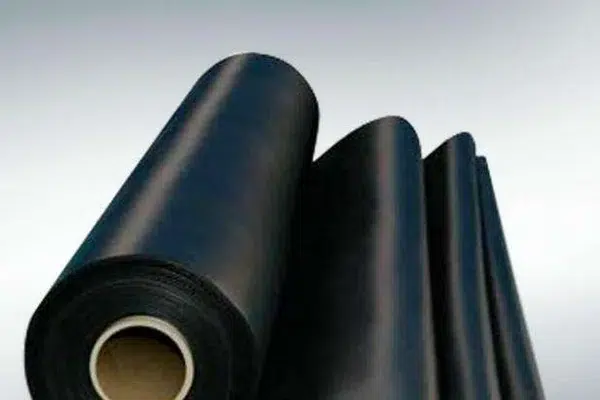
Send the liquid name, concentration, temperature, exposure condition, liner requirement, pond or tank section, quantity, and destination for a technical RFQ review.
Request a chemical liner checkA chemical-containment RFQ should identify the liquid, concentration, temperature, expected exposure, application, liner type and surface, thickness, subgrade or structure, panel layout, seam method, quantity, destination, required test data, and applicable project documents. Without these details, a supplier can only provide a generic material description rather than a defensible recommendation.
Why Is Chemical Resistance Project-Specific?
Chemical resistance depends on the actual exposure, not just the product name. The same polymer can behave differently under different chemicals, concentrations, temperatures, stress conditions, and service durations.
A containment pond, process basin, secondary containment area, and waste-water facility can have different exposure conditions. Buyers should provide the material safety information and operating temperature to the responsible project team.
ASTM D543 is a method for evaluating resistance of plastics to chemical reagents. It provides useful testing context, but it does not turn a general data sheet into approval for every chemical containment application. [2]
Which Liner Properties and Interfaces Matter?
The chemical question sits alongside thickness, stress-cracking resistance, surface type, seams, subgrade, interface friction, puncture exposure, and quality-control requirements. A chemically suitable resin does not remove other liner-system risks.
GRI GM13 is a manufacturing quality-control framework for HDPE geomembranes. It helps buyers compare stated properties, while project-specific chemical, hydraulic, and installation conditions may require additional review. [1]
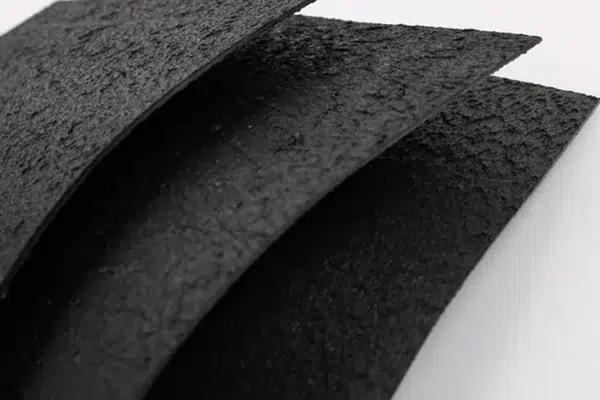
For sloped areas, the design should identify whether a textured surface is needed at an interface. The slope condition, adjacent geotextile or drainage layer, and anchoring detail can affect both stability and field constructability.
| Project condition | What to confirm | Risk if missed |
|---|---|---|
| Process pond | Liquid, concentration, temperature, liner seams | Material mismatch or inspection delay |
| Sloped containment area | Surface texture, interface, anchor detail | Slip or unsuitable interface selection |
| Concrete basin | Substrate condition, penetrations, panel layout | Difficult repairs or seam access |
| Secondary containment | Exposure duration, drainage, leak-detection detail | System does not match operating condition |
What Evidence Should Support the Choice?
Laboratory data, material data sheets, and chemical-resistance information can support procurement review, but they must be connected to the actual exposure and project acceptance criteria. They are not a blanket field-performance guarantee.
Buyers should ask whether the data applies to the same liquid, concentration, temperature, exposure duration, and stress condition anticipated in the project. A test result from a different operating condition may not resolve the remaining design risk.
The final system review should also consider liquid handling, secondary containment, detection or drainage details where specified, and the construction conditions that may affect liner damage or seams. This is why a process description is as important as a requested thickness.
How Do Field Seams Affect Chemical Containment?
The containment system is only as continuous as its installed seams and repairs. The welding procedure, trial seams, testing, panel identification, and inspection access should be planned before delivery.
A seam should not be approved by visual appearance alone. The project quality plan should state trial-seam procedures, nondestructive checks where required, destructive testing, repair process, and records. ASTM D6392 provides destructive peel and shear test methods for nonreinforced geomembrane seams. [3]
Field Note: Chemical compatibility discussion often reaches procurement before the panel layout is final. That creates avoidable rework when access, penetrations, or short panels force extra seams into a critical containment area.
What Sourcing Mistakes Increase Risk?
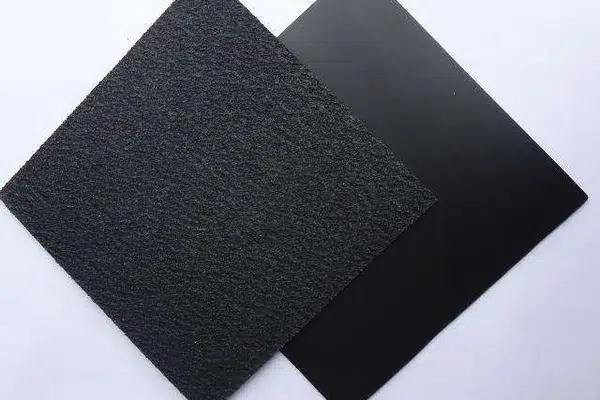
The usual sourcing mistakes are requesting a quote without chemical information, comparing only thickness and unit price, assuming a product test covers the site exposure, and omitting the seam and documentation plan.
A lower price can become irrelevant if the project must rework panels, repeat tests, or delay commissioning. The correct commercial comparison includes liner material, thickness basis, surface, roll size, panels, seams, protection layers, documentation, packaging, and delivery sequence.
QC Check: Before bulk supply, confirm the liquid exposure information, approved data sheet, liner surface, roll labels, batch traceability, panel layout, welding procedure, test plan, protection layers, and required documents. The final selection should be confirmed by the responsible project team.
How Should Samples and Traceability Be Handled?
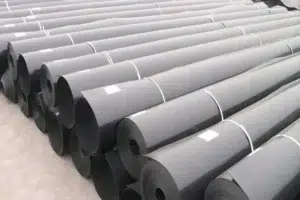
A project sample, approved data sheet, roll label, and batch record should remain connected through procurement, delivery, installation, and inspection wherever the quality plan requires it.
This does not prove chemical suitability by itself, but it helps the team confirm that delivered material matches the approved product description and avoids confusion when multiple liner types or surface finishes arrive on site.
What Should Buyers Include in a Chemical Liner RFQ?
A useful RFQ includes the chemical exposure, concentration, temperature, application, design section, liner type, thickness, surface, seams, quantity, destination, and required project documents.
Buyers should state whether the liner will contact the liquid continuously, intermittently, or only during an emergency event. Include site temperature, drainage, cover layers, and installation responsibility where relevant.
Review HDPE geomembrane liner options, compare industrial containment applications, and send the section through the chemical liner RFQ form before ordering.
FAQs
Is HDPE resistant to every chemical?
No. Chemical resistance depends on the specific liquid, concentration, temperature, exposure duration, stress condition, and project requirements.
Does a thicker geomembrane solve chemical compatibility?
No. Thickness can affect handling and puncture behavior, but it does not replace a project-specific chemical compatibility and liner-system review.
What must buyers send for a technical quote?
Send chemical details, temperature, exposure condition, application, liner requirement, section drawing, quantity, destination, seam expectations, and required documents.
Conclusion
Chemical-containment liner selection must start with the actual exposure and full system detail. Confirm liquid, temperature, liner properties, interfaces, seams, and inspection requirements before comparing price.