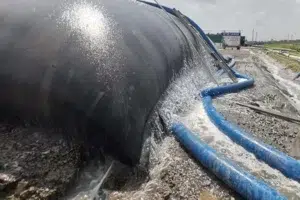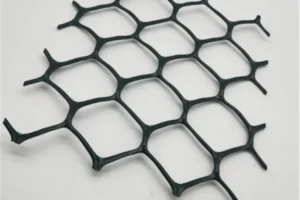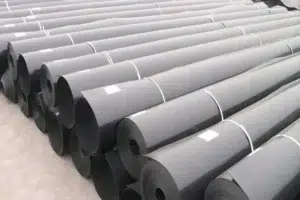
Choosing the wrong geogrid versus geotextile specification can create material waste, site delays, and performance risk before the project reaches its intended service life.
Geogrid Versus Geotextile should be selected for its required function in road subgrades, retaining walls, drainage details, separation layers, and weak-soil stabilization. Buyers should compare the application condition, controlling specifications, installation method, and supplier evidence before ordering, because the lowest unit price is not always the lowest project cost.
The practical review is simple: define what the material must do, what site condition changes the choice, and what documents prove that the quoted supply matches the required function.
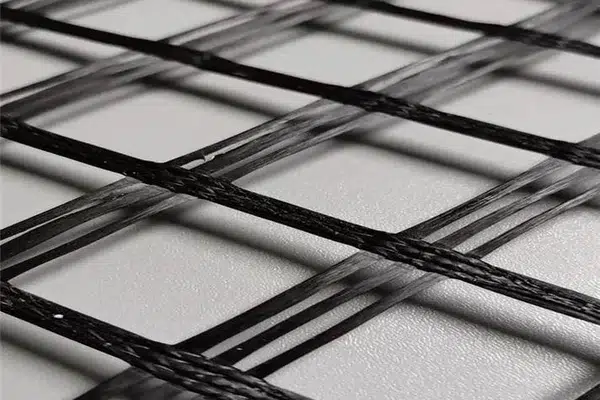
Send the application, drawing, target specification, quantity, destination, and required documents so our team can help review material fit before quotation.
Request a specification checkA project-focused request is more useful than a generic product name because it connects material selection with installation, logistics, and long-term performance.
What Should Buyers Decide First?
The right geogrid versus geotextile decision starts with the project function, not a product name or the lowest quoted unit price.
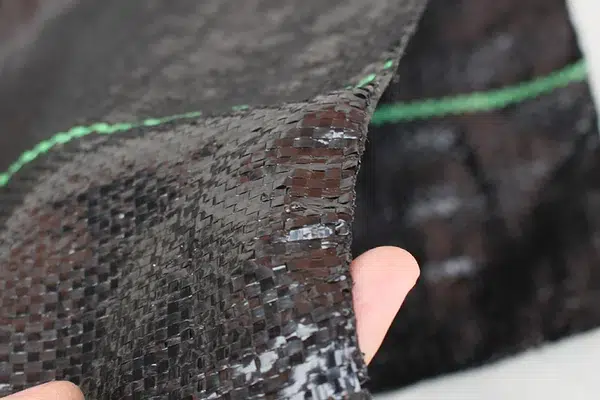
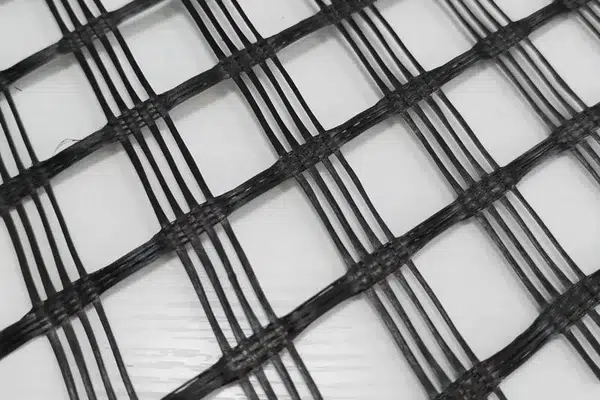
Geogrid Versus Geotextile is used across road subgrades, retaining walls, drainage details, separation layers, and weak-soil stabilization, but each application creates a different design and procurement question. Buyers should identify the working function before comparing catalog values.
The controlling variables usually include tensile direction, aperture stability, separation function, apparent opening size, permittivity, subgrade condition, and installation method. A data sheet helps compare products, but the final specification should be confirmed according to the project design.
A common sourcing risk is substituting one product for the other when the section needs reinforcement, separation, filtration, or drainage as a distinct function. That mismatch can create rework, inspection delays, or a material order that cannot be used as intended. [1]
Which Conditions Change the Recommendation?
Site conditions, design loads, water, installation access, and the adjacent materials can change the practical recommendation.
For road subgrades, retaining walls, drainage details, separation layers, and weak-soil stabilization, the buyer should review the section drawing, subgrade or soil condition, geometry, loading, water exposure, installation equipment, and required service outcome.
Two quotations can use the same product label while describing different performance levels, roll dimensions, documentation, or packaging. Compare like-for-like requirements before judging price.
Expert Insight: A stronger-looking or heavier material is not automatically safer when its key function, test basis, or installation method has not been checked.
| Project condition | What to confirm | Risk if missed |
|---|---|---|
| Open, accessible work area | Panel or roll layout, handling, inspection | Unnecessary joints or handling damage |
| Confined or sloped site | Access, anchorage, deployment direction | Material cannot be placed as designed |
| Water or drainage exposure | Filter or containment function, outlet | Loss of intended performance |
| Bulk import order | Packing, labels, documents, container plan | Supply mismatch at delivery |
What Specifications and Test Data Matter?
Buyers should request stated properties and their test methods, then compare them with the project requirement rather than treating a single number as a guarantee.
For procurement, ask for the polymer or material type, dimensions, stated minimum values, test basis, roll size, batch identification, packaging, and any project-required third-party documentation.
ASTM test methods provide a defined basis for comparing specified properties. They do not replace project-specific checks of soil, water, loads, installation, or the final engineered section. [2]
Where material will be cut, joined, covered, or placed under traffic, the installation sequence should be reviewed before bulk production is released.
How Can Installation Create Rework?
Even a suitable product can lose value when placement, overlap, compaction, welding, cover placement, or site handling does not follow the approved detail.
Prepare the work surface, keep rolls and panels clean, protect edges, and plan equipment routes before deployment. Site handling should not create damage that is only discovered after cover or backfill is placed.
Check the approved method statement for overlap, connection, seam, fill, drainage, or compaction requirements. A material supplier can support product comparison, while the responsible project team must confirm the final construction method.
Field Note: Many RFQs contain a product name and quantity but omit the section drawing, installation access, or required documents. Those missing details often matter more than a small unit-price difference.
What Should Buyers Compare Before Ordering?
Compare the complete supply package: usable coverage, stated properties, test basis, roll dimensions, handling, labels, packaging, traceability, documents, and delivery conditions.
The quotation should make clear what is included and what the project must still confirm. A lower quoted rate may be tied to a different material grade, dimension, test scope, package method, or delivery assumption.
QC Check: Before approving production, review the data sheet, sample where required, roll dimensions, labels, batch traceability, packaging, destination, and the project-required reports. [3]
Reliable suppliers should identify missing commercial information rather than assume an engineering requirement from a short product description.
What Should Be Included in an RFQ?
A useful RFQ gives the supplier enough project context to quote the correct material class and delivery format, while retaining final design responsibility with the project team.
For an accurate quotation, provide section drawing, soil condition, traffic or wall load, required function, target product properties, roll size, quantity, destination, and documents. A clear RFQ reduces specification mismatch and lets the buyer compare offers on the same basis.
Buyers can review geogrid reinforcement materials, geotextile separation layers, and the project material RFQ form before ordering.
The final selection should be reviewed against the project design, site conditions, local requirements, and the evidence available for the proposed material. [4]
FAQs
Is the cheapest material always the best choice?
No. Compare project fit, stated properties, test basis, installation risk, roll dimensions, documents, and delivery conditions before deciding.
What should be checked before bulk production?
Review the data sheet, dimensions, labels, packaging, traceability, required reports, and the approved project section.
Can a supplier replace the project engineer?
No. A supplier can provide product and quotation guidance, but the responsible project team should confirm final design requirements.
Conclusion
The right geogrid versus geotextile order begins with function, site condition, specification evidence, installation planning, and a complete RFQ. Confirm those items before price comparison.