
Discover the Benefits of Using an HDPE Geomembrane Liner in Construction Projects?
Leaks, fines, and rework kill margins. Do U need a liner that stays tight under sun, chemicals, and time?
An HDPE geomembrane liner gives watertight containment with high chemical resistance, UV stability, and long service life. It outlasts cheaper sheets, supports compliance, and reduces lifecycle cost for landfills, ponds, remediation, and industrial storage.
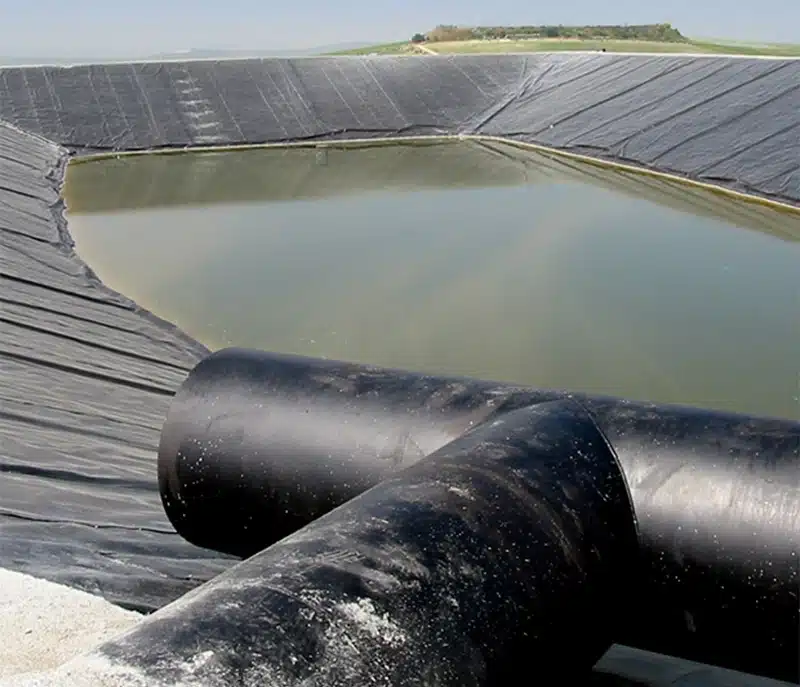
Introduction to HDPE Geomembranes?
Liner ruptures or seam failures can lead to skyrocketing costs. Do you need a simple, robust geomembrane that can withstand harsh environments?
HDPE geomembrane is a high density polyethylene liner engineered for impermeability, strength, and durability. It offers top chemical resistance, strong welded seams, and low permeability, which makes it a default choice for critical containment.
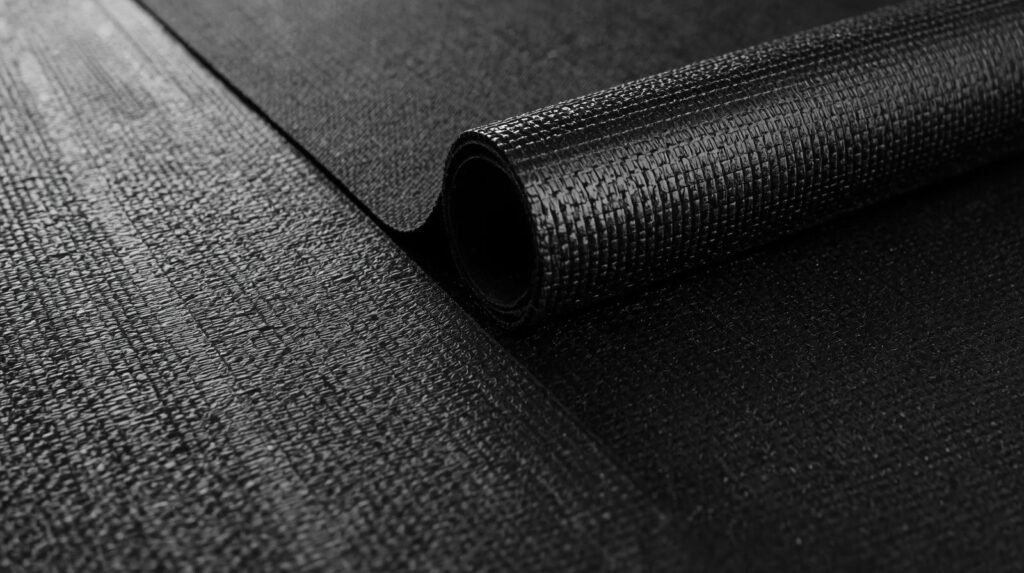
I see the same need across projects: stop liquids and gases from moving. The material U pick must resist UV, heat, chemicals, and mechanical stress at the same time. HDPE does this with a tight molecular structure and a stable additive package. The polymer backbone gives low permeability and creep resistance; carbon black and antioxidants protect against sunlight and oxidation. When we weld two HDPE sheets with a wedge welder, the seam fuses into a monolithic joint. Field crews then verify strength with peel and shear tests. This process creates a continuous barrier with predictable performance.
Key Features of HDPE Liners?
Sun, chemicals, and loads attack weaker sheets. Do U need clear traits that predict service life?
The best HDPE liners combine resin quality, UV stabilization, and mechanical toughness. Look for verified density, carbon black content, antioxidant/OIT values, puncture strength, and textured options for friction.
Composition
A reliable high density polyethylene liner starts with prime resin. Density and melt flow rate control stiffness and processing. Carbon black (typically ~2–3%) shields the polymer chains from UV breakdown, and the antioxidant package delays thermal oxidation in hot, loaded service. I review certificates for each batch and match them with in-process tests, because resin variance shows up years later as stress cracking.
UV-resistant properties
Long exposures on slopes and caps demand UV-resistant geomembrane. Carbon black dispersion must be uniform, or the sun finds weak spots. We validate dispersion and perform accelerated weather testing. Texture matters too: textured HDPE increases interface friction on slopes, reducing sliding risk under cover soils or geomats.
Durability and longevity
Durability is more than a single number. I look at tensile strength, elongation, multi-axial tear, puncture, ESCR (environmental stress crack resistance), and OIT (both standard and high-pressure). Together they predict how the hdpe geomembrane liner will behave under pressure, temperature, and chemicals. A thicker sheet resists puncture but is heavier to handle. Balance thickness with subgrade prep and protection layers to get long life without installation headaches.
| Feature/Spec | Why it Matters | Typical Target (guide) |
|---|---|---|
| Thickness (mm) | Puncture, durability | 1.0–2.0+ based on duty |
| Carbon Black (%) | UV resistance | 2–3 with good dispersion |
| OIT / HP-OIT | Oxidative stability | Meet project standard |
| ESCR | Crack resistance | High hours to failure |
| Texture | Slope stability | Higher interface friction |
Where do HDPE Geomembrane Liners Excel in Applications?
Not all jobs are equal. Do U want clear matches between application and liner grade?
HDPE geomembrane liners lead in landfill liner systems, ponds and reservoirs, chemical storage containment, and environmental remediation. Each case needs the right thickness, texture, and protection layers.

Landfill liner systems
Landfills push liners hard: settlement, leachate chemistry, and long design lives. A textured high density polyethylene geomembrane with robust seams and cushion geotextiles resists puncture from subgrade irregularities and waste. I pair the geomembrane liner with a geosynthetic clay liner (GCL) where specs call for composite barriers. Leachate collection layers and proper drainage keep head pressure off the sheet, which extends life and limits leakage risk.
Pond and reservoir liners
For water storage, smooth HDPE offers low permeability, easy cleaning, and long UV life. Shoreline wind and waves can fatigue weaker materials. A thicker smooth sheet with mechanical anchorage in perimeter trenches prevents uplift. Where steep banks exist, a textured face against geotextile improves friction. Many owners also add a white top co-extrusion for heat reduction in hot climates.
Containment for chemical storage
Industrial sites store acids, bases, and brines. Here, chemical compatibility drives selection. HDPE handles many aggressive fluids, but I always verify media lists and temperature limits. Secondary containment berms around tank farms use textured geomembrane liners with concrete wear pads at access points. Seam QA is critical because small defects can become big incidents.
Environmental remediation projects
Caps over contaminated soils need long design lives, gas control, and slope stability. Textured HDPE with gas vents, cover soils, and erosion control layers forms a stable system. The UV-resistant geomembrane may stay exposed at details, so I review edge terminations, pipe penetrations, and settlement allowances to prevent stress concentrations.
| Application | Preferred Surface | Typical Thickness | Notes |
|---|---|---|---|
| Landfill base/cap | Textured | 1.5–2.0 mm | With GCL or clay |
| Farm/irrigation pond | Smooth | 1.0–1.5 mm | Anchor trench required |
| Chem storage berm | Textured | 1.5–2.5 mm | Verify compatibility |
| Remediation cap | Textured | 1.5–2.0 mm | Gas vents and cover soils |
How do U select and install the right HDPE geomembrane liner?
Do U want a simple checklist that avoids rework?
Select by fluid, temperature, UV exposure, slopes, subgrade, and regulatory demands. Install with clean subgrade, qualified welding, verified seams, and proper protection geotextiles. Size panels to reduce field seams and plan QA before the first roll arrives.
Design factors to consider
Start with what U must contain. Water at ambient temperature is easier than hot brine or solvent-laden leachate. Choose thickness for puncture resistance and constructability. A high density polyethylene liner at 1.5–2.0 mm is common for heavy duty cells. Texture is not cosmetic; it controls sliding on slopes when cover soil sits above the sheet. Interface shear tests between liner and cover layers guide that choice. If regulations require double-liner systems, plan for leak detection zones and conductive-backed options to speed surveys.
Subgrade quality sets the floor for performance. Smooth, compacted, and free of protrusions is the rule. Cushion layers matter. Place a nonwoven geotextile under the liner where angular aggregates exist. Over the liner, use geotextile or sand bedding under riprap or concrete to prevent point loads.
Sizing and installation best practices
Panel layout should reduce the number of field seams across steep slopes. Factory-fabricated panels can shorten weld time but check handling logistics. Crews must keep the hdpe geomembrane clean and dry during welding. Dual-track hot wedge welders create an air channel for pressure testing. Vacuum box tests check extrusion welds at details. Record peel and shear results for each shift and keep a seam map. Protect the sheet from wind uplift and thermal movement during installation with sandbags or temporary ballast. Do not drive directly on bare liner; use soft pads and place cover materials in controlled lifts.
| Factor | Guidance | Reason |
|---|---|---|
| Thickness | Match duty and subgrade | Puncture and durability |
| Texture | Use on slopes/interfaces | Friction and stability |
| QA tests | Air-channel, vacuum, peel/shear | Verify seam integrity |
| Protection | Geotextile cushions | Prevent damage |
How to buy from reliable suppliers and manufacturers?
Quotes look similar on paper. Do U want proof that a supplier will deliver consistent rolls on time?
Shortlist geomembranes supplier options that publish QA data, provide traceable resin certificates, and support submittals fast. Compare hdpe geomembrane liner manufacturers on testing (OIT/HP-OIT, ESCR), lead times, service, and warranty, not just price.

Where to buy and how to compare
Large distributors and factory-direct channels both work. If U plan complex projects, buy geomembrane liner from sources that can stage logistics, field techs, and rapid sampling. Ask for recent QA reports, batch traceability, and a live production schedule. For geomembranes buy best outcomes, verify that the plant runs ISO-aligned quality systems and that third-party labs confirm critical properties.
Supplier vs manufacturer
A distributor offers breadth and local warehousing. A manufacturer offers deeper technical backup and custom runs. For custom colors, conductive layers, or co-extruded surfaces, go factory-direct or through a distributor with a standing factory slot. Check whether the supplier holds stock of common hdpe liners in 1.0, 1.5, and 2.0 mm so U do not miss windows.
Cost considerations
Do not chase the lowest square-foot price without looking at lifecycle cost. A thicker sheet with higher ESCR and better OIT can cut repairs and claims. Freight and handling matter too; rolls that match your site crane limits reduce downtime. Evaluate the total package: data sheets, submittals, samples, seam guidance, and post-sale support. If U need a hdpe geomembrane pond liner or a landfill liner systems build, the value sits in uptime and compliance. Ask for unit pricing, freight, expected lead time, and spare roll policy. If U need a quick-turn UV-resistant geomembrane for exposed slopes, confirm that the line can run textured product within your schedule.
| Comparison Item | Good Signal | Red Flag |
|---|---|---|
| QA transparency | Recent third-party tests provided | Vague or outdated data |
| Traceability | Batch and resin certs tied to rolls | No lot documentation |
| Lead time | Firm ship dates | “We will see” answers |
| Tech support | Weld window, seam guides, onsite help | Sales only, no techs |
| Warranty | Clear terms | Fine print exclusions |
Conclusion
HDPE geomembrane liners deliver tight containment, strong seams, and long life. Pick grade by duty, protect it during install, and partner with a proven supplier to cut risk and cost.

 English
  Spanish
  Arabic