
What is a Geogrid Retaining Wall ?
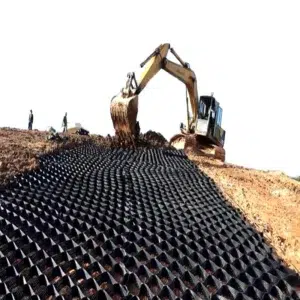
Geogrid retaining walls are a modern engineering structure designed to prevent erosion by reinforcing the soil using special geogrid fabrics. Unlike traditional retaining walls that rely solely on their own weight for stability, geogrid retaining walls enhance soil strength by embedding durable geogrid layers within the backfill soil. This creates a mechanically stabilized earth (MSE) retaining wall—a robust structure composed of soil and geogrids working together to resist pressure.
How Geogrid Reinforces Soil
Geogrids are strong synthetic grids made from polymers that act like a tough skeleton inside the soil. When installed correctly, they:
- Lock soil particles together
- Distribute loads evenly
- Prevent soil from shifting or sliding
- Improve overall wall stability and lifespan
This means the surrounding soil becomes a powerful, reinforced mass that makes your wall safer and more reliable over time.
MSE Walls vs Gravity Walls
Gravity retaining walls rely entirely on their own weight and volume to reinforce the soil. Made from sturdy materials such as concrete or stone, they must be massive and heavy enough to withstand the pressure, making them expensive and cumbersome to construct.
In contrast, MSE walls using geogrids use soil reinforced with geogrid layers to create a lightweight but incredibly strong structure. These walls:
- Require less material and space
- Are faster and easier to build
- Allow taller, slimmer designs without sacrificing safety
For projects requiring sophisticated engineering techniques and cost-effective solutions, geogrid retaining walls offer exceptional performance and durability. They perfectly combine strength and efficiency while significantly reducing construction costs, making them the preferred choice for today’s construction and landscape professionals.
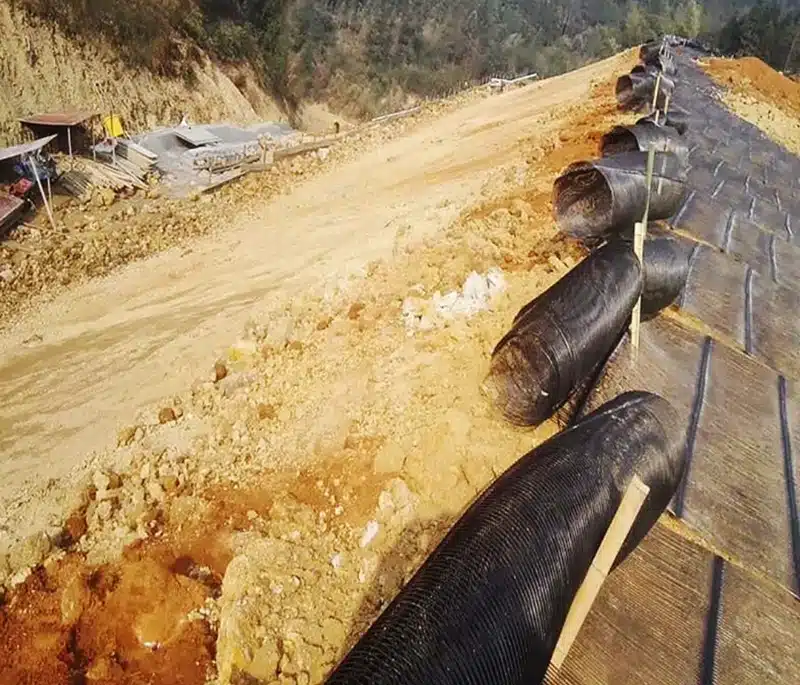
When should geogrid retaining walls be used?
Geogrids are used in the construction of retaining walls to make them more stable and durable. Geogrids have a wide range of applications, especially in the following situations:
- Steep or unstable slopes where soil is prone to sliding
- Heavy loads behind the wall like driveways, parking lots, or buildings
- Poor soil conditions such as loose or sandy soils that need extra support
- Limited space that doesn’t allow for a wide gravity retaining wall base
- Height requirements over 4 feet, where stability demands increase
- Drainage challenges that require better soil stabilization and water flow control
- Long-term durability goals for walls expected to handle heavy use or weather changes
If your project aligns with any of the criteria above, a geogrid retaining wall is your smartest investment. Proper soil reinforcement doesn’t just prevent erosion and catastrophic wall failure; it saves you significant time, money, and stress in the long run. By prioritizing the correct geogrid layering and thorough backfill compaction, you ensure the result is a robust, long-lasting structure.
MJY’s High Performance Geogrids Engineered for Excellence
MJY’s geogrids are built with high-quality materials designed to provide top-tier soil reinforcement for retaining walls. Their products are engineered to deliver outstanding strength and durability, making them ideal for both residential and commercial projects across the U.S.
Here’s what sets MJY geogrids apart:
- Superior Tensile Strength: MJY’s uniaxial and biaxial geogrids handle heavy loads, keeping soil stable under pressure.
- Advanced Material Technology: Made from durable polymers, these geogrids resist weathering, UV rays, and corrosion.
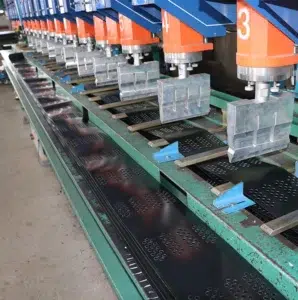
- Precision Manufacturing: Consistent pore size and tensile properties ensure reliable reinforcement layers.
- Tailored Solutions: MJY offers custom sizing and designs to fit specific project needs, from segmental retaining walls to large MSE retaining walls.
- Easy Installation: Their geogrid fabric simplifies the uniaxial geogrid installation process, cutting down labor time and costs.
Whether you need geogrid soil stabilization for slopes, highway embankments, or backyard projects, MJY’s engineered geogrids deliver unmatched performance and peace of mind.

Top 7 Benefits of Geogrid Retaining Walls Backed by Engineering Data
Using geogrid retaining walls comes with clear advantages, backed by real engineering data. Here are the top 7 benefits that make geogrids the smart choice for soil reinforcement and wall stability:
| Benefit | What It Means | Why It Matters |
|---|---|---|
| Superior Soil Stabilization | Geogrid layers lock soil particles together | Prevents shifting and erosion |
| Increased Wall Strength | Reinforced soil creates stronger walls | Supports higher loads and taller walls |
| Cost Efficiency | Uses less concrete and steel | Saves money on materials and labor |
| Faster Installation | Lightweight geogrid is easy to handle | Cuts down project time significantly |
| Better Drainage Control | Geogrid works with proper backfill | Reduces water pressure and wall damage |
| Design Flexibility | Works with various wall types | Fits segmental walls, MSE walls, and more |
| Long-Term Durability | UV resistant and corrosion-proof geogrid | Lasts decades with minimal maintenance |
These benefits mean geogrid retaining walls deliver unmatched stability and savings without compromising on performance. Whether you’re building a residential garden wall or a commercial slope protection system, geogrid is engineered to perform well in real-world conditions.
Step by Step DIY Geogrid Retaining Wall Installation Guide
Building a geogrid retaining wall yourself can save money and give you full control over the project. Here’s a straightforward DIY guide to get you started with your geogrid retaining wall installation:
1. Plan and Prepare the Site
- Clear the area of debris and vegetation.
- Mark the location and outline the wall’s footprint.
- Make sure the ground is level for a solid base.
2. Excavate and Build the Base
- Dig a trench about 6-12 inches deep depending on the height of your wall.
- Fill the trench with compacted crushed stone or gravel to create a stable base.
- Use a plate compactor or hand tamper for even compaction.
3. Install the First Layer of Retaining Wall Blocks
- Lay the first row of blocks or segmental retaining wall units.
- Make sure blocks are level and firmly pressed into the base.
4. Place the Geogrid Layers
- Cut geogrid fabric to fit the width of the wall plus a few extra inches.
- Lay the uniaxial or biaxial geogrid horizontally behind the first block row and extend it back into the soil.
- Secure the geogrid under each layer of blocks, following the manufacturer’s recommended spacing between layers.
5. Add Backfill and Compact
- Use clean, granular backfill material behind the wall.
- Compact the backfill in 6 to 8-inch layers to ensure proper soil reinforcement and stability.
- Make sure to keep the geogrid layers tight and flat during backfilling.
6. Repeat Layers and Geogrid Installation
- Build up the wall by repeating block placement, geogrid installation, and backfill compaction.
- Check the wall’s alignment regularly to keep it straight and consistent.
7. Finish with Drainage and Capstones
- Install drainage pipes or gravel behind the wall to prevent water buildup.
- Place capstones or finishing blocks on top for a clean, polished look.
Tips for Success
- Always follow MJY’s geogrid specifications for your wall size.
- Proper compaction is critical for long-lasting geogrid soil stabilization.
- Don’t rush the process — layering and compacting carefully will pay off in stability.
This simple DIY process using segmental retaining wall geogrid layers ensures your retaining wall is solid, reliable, and built to last.
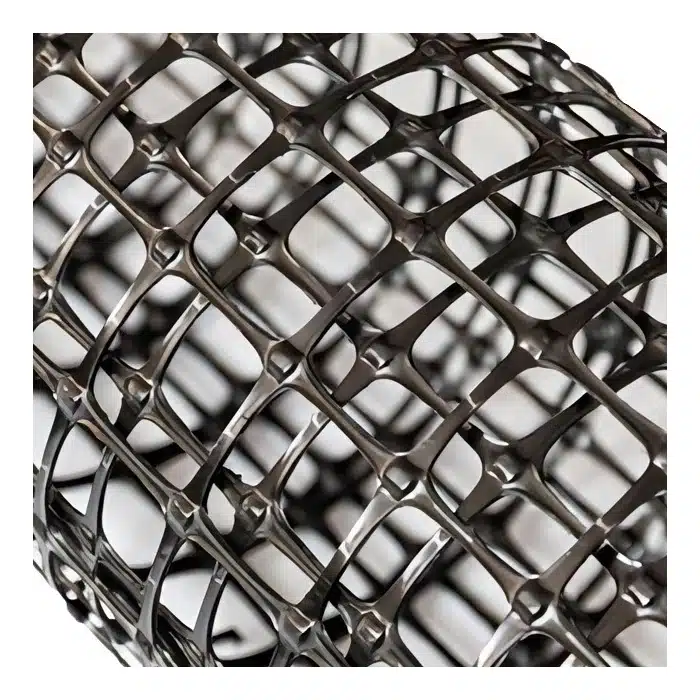
Choosing the Right MJY Geogrid Comparison and Sizing Chart
Picking the right MJY geogrid for your retaining wall means matching the product to your project’s soil conditions, wall height, and load requirements. To help simplify this, here’s an easy-to-read comparison and sizing chart based on common geogrid types and their best uses.
| MJY Geogrid Type | Strength (kN/m) | Best For | Soil Reinforcement Type | Typical Wall Height | Key Features |
|---|---|---|---|---|---|
| Uniaxial Geogrid | 20 – 80 | High load, steep walls | Soil reinforcement geogrid | 6 – 20 ft | Directional strength, excellent pullout resistance |
| Biaxial Geogrid | 15 – 50 | Moderate loads, segmental walls | Geogrid fabric for retaining walls | 3 – 12 ft | Equal strength both directions, easy installation |
| MJY High Strength | 50 – 100+ | Large commercial projects | Geogrid soil stabilization | 15+ ft | Engineered for max durability and soil locking |
How to Use This Chart
- Wall height: Choose a geogrid strength based on your retaining wall’s height.
- Load type: Uniaxial grids handle heavier loads in one direction—perfect for tall or steep walls.
- Soil type: For softer or less stable soils, gravitate toward high strength or biaxial options for better soil reinforcement.
- Installation style: Segmental retaining walls often pair well with biaxial geogrids.
Pro Tip
Always consider geogrid backfill compaction and layering recommendations to maximize your wall’s lifespan and stability. Proper placement of geogrid layers can reduce settlement and drainage issues.
MJY’s sizing chart is designed to take out the guesswork so you can get the exact geogrid needed for your retaining wall — saving you time and money in the long run.
Cost Breakdown Geogrid Retaining Wall Pricing Guide
Building a geogrid retaining wall is a smart investment, but understanding the costs helps you plan better. Here’s a simple breakdown of what to expect when budgeting for a geogrid retaining wall project in the U.S.
Main Cost Factors
- MaterialsGeogrid fabric itself varies by type—uniaxial or biaxial—and strength. High-performance products like MJY’s geogrids usually cost more but offer longer durability and better soil reinforcement. Expect around $1.50 to $3.50 per square foot for quality geogrid fabric. Other materials like backfill soil, drainage pipes, and concrete blocks or segmental wall units add to costs.
- LaborDIY installation can save you labor costs, but professional installation ensures proper compaction of geogrid backfill and correct layering. Labor costs typically range from $20 to $50 per hour depending on your location and project complexity.
- Site PreparationPreparing the area—grading, excavation, and drainage setup—influences the price. Uneven or sloped sites may need more work, increasing costs by 10% to 30%.
- Additional MaterialsYou may also need geogrid wall drainage systems or specialized soil stabilization products, which can add $500 or more depending on project size.
Typical Pricing Examples
| Wall Height | Wall Length | Estimated Cost |
|---|---|---|
| 3 feet | 30 feet | $2,500 – $4,000 |
| 6 feet | 50 feet | $6,000 – $10,000 |
| 8 feet | 100 feet | $15,000 – $25,000 |
How to Save
- Choose the right MJY geogrid size to avoid overbuying material.
- Consider DIY for smaller walls using our easy geogrid retaining wall installation guide.
- Plan proper backfill compaction and drainage to avoid costly repairs later.
Understanding these cost components helps you customize your geogrid retaining wall project to fit your needs and budget without compromising quality or stability. Reach out for a free MJY geogrid quote to get an exact estimate tailored to your site.
MJY Case Studies Real World Geogrid Success Stories
At MJY, we’ve seen firsthand how our geogrid retaining walls transform tough projects into long-lasting solutions. Our geogrids have been used across the U.S. in a variety of real-world conditions—from steep slopes in California to challenging soil areas in the Midwest. Here’s what makes MJY geogrids stand out:
- Improved Soil Stabilization: In Missouri, an MSE retaining wall reinforced with MJY biaxial geogrid layers showed a 40% increase in soil strength compared to traditional methods.
- Durability in Harsh Conditions: A segmental retaining wall geogrid project in Colorado resisted freeze-thaw cycles without cracking or shifting over five years of use.
- Cost Savings and Efficiency: A DIY geogrid wall guide project in Texas helped homeowners save up to 30% in labor and materials by using MJY’s easy-to-install uniaxial geogrid.
- Better Drainage Performance: Geogrid backfill compaction paired with MJY’s engineered geogrid fabric improved drainage in a Florida commercial site, preventing water pressure buildup that usually damages walls.
- Large Scale Infrastructure Success: A highway project in Michigan used MJY’s high-performance geogrid soil reinforcement to build a towering MSE retaining wall, reducing construction time by 25% and cutting maintenance costs.
Real customers across the country trust MJY geogrids for reliable soil stabilization and retaining wall support. Our case studies prove the strength, versatility, and cost-effectiveness of geogrid solutions in American soil conditions. Ready to see how MJY geogrids can work for your next project?
FAQ Geogrid Retaining Walls Answered
What is a geogrid retaining wall?
A geogrid retaining wall uses strong synthetic grids to reinforce the soil behind the wall, boosting stability and preventing collapse.
How does geogrid reinforce soil?
Geogrid works by interlocking with the soil, distributing loads and increasing strength. This prevents soil movement and erosion.
When should I use a geogrid retaining wall?
Use geogrid walls when dealing with high slopes, poor soil quality, or space constraints where a traditional gravity wall won’t work well.
What’s the difference between uniaxial and biaxial geogrids in retaining walls?
Uniaxial geogrids provide reinforcement mainly in one direction, great for heavy load support. Biaxial geogrids strengthen soil in two directions, ideal for overall soil stabilization.
Can I build a geogrid retaining wall myself?
Yes, with some basic tools and following a proper DIY guide, like the MJY geogrid wall guide. It involves layering geogrid, compacting backfill properly, and ensuring drainage.
How many geogrid layers do I need?
That depends on wall height and soil type. Usually, multiple layers spaced evenly are required for the best reinforcement.
How important is backfill compaction?
Very important. Proper geogrid backfill compaction ensures the soil binds well with the geogrid, maximizing strength and stability.
Does a geogrid retaining wall need drainage?
Yes, drainage prevents water pressure buildup behind the wall, which can otherwise cause failure.
Are geogrid retaining walls more expensive than traditional walls?
Initial costs might be higher, but they often save money long-term by reducing the need for extra foundation work and repairs.
Where can I get high-quality geogrid?
MJY offers high-performance geogrid products designed for durability and ease of installation, tailored for US soil and climate conditions.
If you have more questions or want help planning your geogrid retaining wall, contact us anytime. We’re here to help you build safe and lasting walls.
Ready to Build Get Your Free MJY Geogrid Quote Today
If you’re ready to start your geogrid retaining wall project, MJY makes it easy to get going. Simply request your free, no-obligation quote today and see how our high-quality geogrid products can fit your needs and budget. Whether you’re working on a small residential segmental retaining wall or a larger MSE retaining wall requiring soil reinforcement geogrid, we provide tailored solutions with clear pricing and expert advice.
Getting your quote is quick and straightforward:
- Provide details about your project size and soil conditions
- Choose the right MJY geogrid type and size with our help
- Receive a competitive price and delivery timeline
Don’t wait to add unmatched stability and durability to your retaining wall project. Contact MJY now and build with confidence knowing you’re backed by top-performing geogrid fabric for retaining walls engineered for the U.S. market. Your free MJY geogrid quote is just one step away from transforming your soil stabilization and retaining wall success.

 English
  Spanish
  Arabic