
The Future of Geomembranes Best: Innovations to Watch in 2026?
The leading 2026 geomembranes pair conductive leak-detection backings with high-performance polymer composites and biodegradable options for short-term use, reducing risk exposure, meeting stricter environmental rules, and trimming long-term O&M spend.
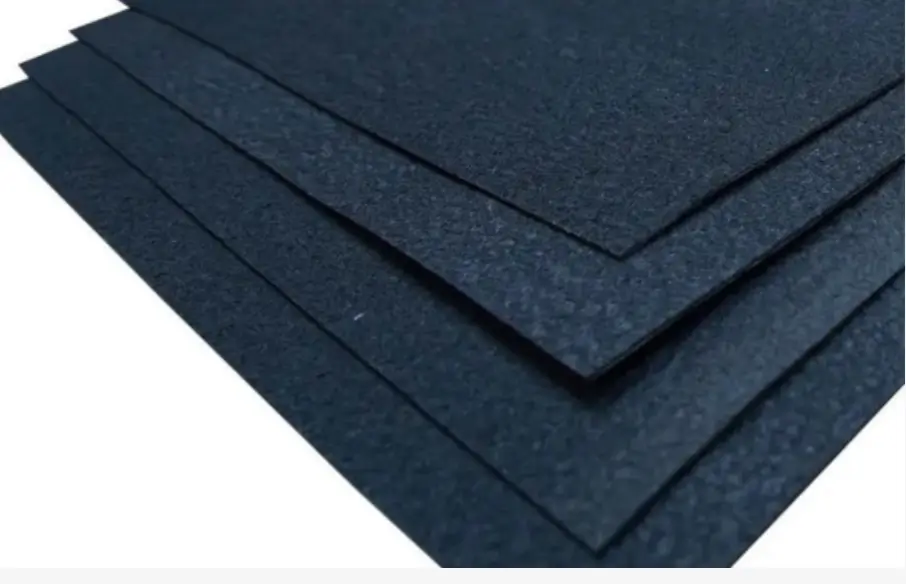
Let us explore how these factory-level advancements will change your purchasing decisions this year.
Breakthrough Materials?
Standard HDPE cracks under extreme stress or heat. How do you choose a material that survives where others fail?
The best geomembrane manufacturer options now include LLDPE blends with nano-additives and biodegradable polymers. These materials offer higher flexibility and chemical resistance, extending the service life of liners in harsh industrial environments like mining or waste management.

The Rise of Bio-Polymers and Advanced Composites
For decades, the formulation of geomembranes has been simple: polyethylene, carbon black, and antioxidants. But in recent years, customer demands have changed. Liners are no longer simply laid on the surface; they need to perform under new stress conditions. This has driven the development of advanced polymer composites. By adding nanoclay or graphene to the resin mixture, we can significantly improve barrier properties without increasing the thickness or weight of the geomembrane. This means you can buy lighter rolls of material, yet have better gas and chemical barrier properties than the heavier materials used five years ago.
During our sales process, we’ve also noticed a significant increase in demand for biodegradable geomembranes in recent years. This might sound counterintuitive. Typically, you want a geomembrane to last forever. But consider temporary roads or short-term construction sites. Removing these geomembranes and transporting them to a landfill is costly. New bio-based polymers have a lifespan of 12 to 24 months. Once their purpose is served, they decompose into harmless byproducts. This saves on disposal costs and helps you meet green building standards.
| Material Type | Primary Benefit | Best Use Case | Cost Factor |
|---|---|---|---|
| Nano-Composite HDPE | High Gas Barrier | Methane Containment | Medium |
| Biodegradable Polymer | Eco-friendly Disposal | Temporary Access Roads | High |
| Co-extruded EVOH | Chemical Resistance | Hazardous Waste Storage | High |
| Standard HDPE | Cost Effective | Water Retention Ponds | Low |
Sustainable Practices in Geomembrane Production?
Environmental audits are getting stricter every year. Is your supply chain adding to your carbon footprint?
Sustainable production involves using high-percentage post-industrial recycled resins and energy-efficient extrusion lines. The best geomembrane supplier now provides EPDs (Environmental Product Declarations) to help projects meet LEED and sustainability goals.
[Image placeholder: Factory interior showing a recycling hopper feeding into an extrusion machine for geomembrane production.]
The Reality of Recycled Resins and Energy Efficiency
Sustainability is often just a marketing word, but in manufacturing, it involves hard data. Buyers often ask me if recycled content makes the liner weak. The answer lies in the source. We distinguish between “Post-Consumer” (old milk jugs) and “Post-Industrial” (factory scrap). For high-performance liners, we use post-industrial trimmings. These are edge trims from our own production line. The resin is pristine, just cut off. By recycling this back into the core layer of the sheet, we reduce waste to near zero without sacrificing any strength.
Energy efficiency on the factory floor is another area you should ask about. Extruding plastic takes a lot of heat and power. Top factories are now installing solar arrays and closed-loop water cooling systems. We cool the hot plastic with water, and instead of dumping that warm water, we cycle it through chillers and use it again. This reduces the embodied carbon of the product you buy.
When you request a quote, ask for an Environmental Product Declaration (EPD). This document tracks the life cycle impact of the liner. If you are bidding on government jobs or green building projects, submitting an EPD with your material can be the deciding factor. It proves that you sourced from a responsible factory. The geomembrane best manufacturer will be transparent about their carbon footprint and their resin sourcing.
| Sustainable Practice | Impact on Product Quality | Environmental Benefit | Certification |
|---|---|---|---|
| Post-Industrial Recycling | Neutral (Maintains strength) | Reduces Plastic Waste | ISO 14001 |
| Closed-Loop Water | None | Saves Water | Local Water Authority |
| Solar Powered Plant | None | Reduces Carbon Footprint | Green Energy Cert |
| Thin-Gauge High Strength | Improved Handling | Less Raw Material Used | ASTM Testing |
Conclusion
If you need to learn about the latest geotextile membranes for 2026, please contact MJY Company’s technical consultants. We will provide you with the latest technology and solutions.




 English
  Spanish
  Russian
  Portuguese
  Arabic
  Hindi
Hindi