Top 5 Benefits of Choosing a Ground Grid Driveway for Your Home
Introduction
You may frequently need to maintain your driveway, such as dealing with washouts after heavy rain. Traditional gravel driveways are prone to shifting under tire pressure, resulting in uneven surfaces and requiring frequent repairs.
Geogrid driveways solve these structural problems by confining the fill material. Whether you use gravel or turf, the grid holds the surface firmly in place. This guide will explore the technical and practical advantages of upgrading to a geogrid driveway.
Overview of Ground Grid Driveway
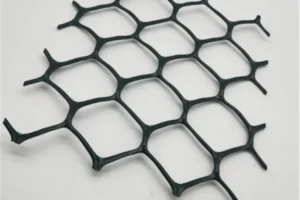
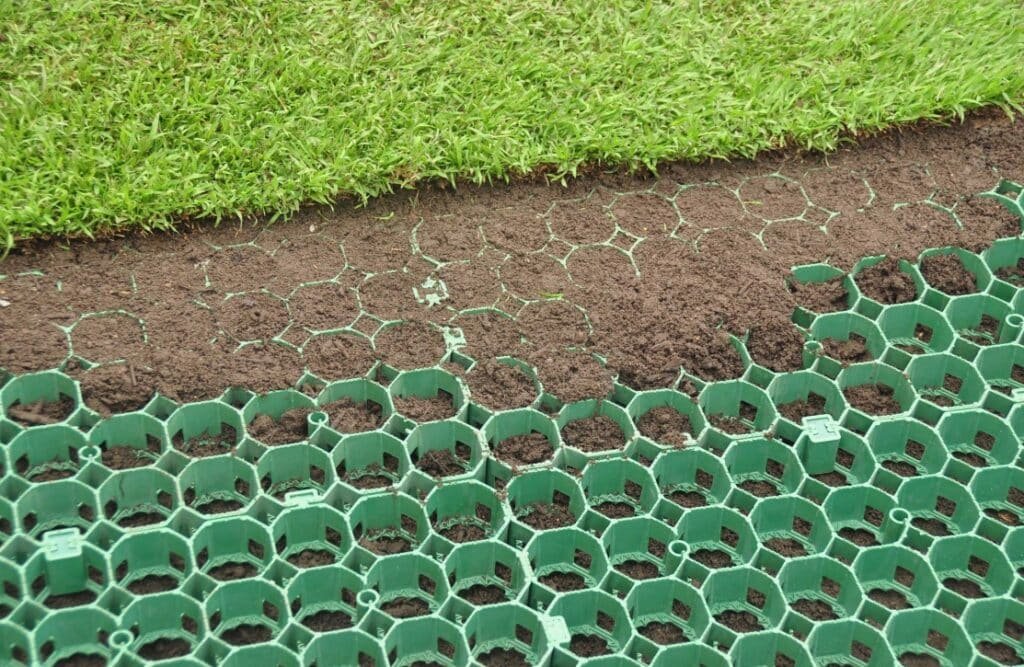
Geogrid, technically known as a geocell, is a three-dimensional honeycomb structure made of high-density polyethylene (HDPE). It is used as a robust base layer that confines the fill material.
Why Choose a Geogrid for Base Stabilization?
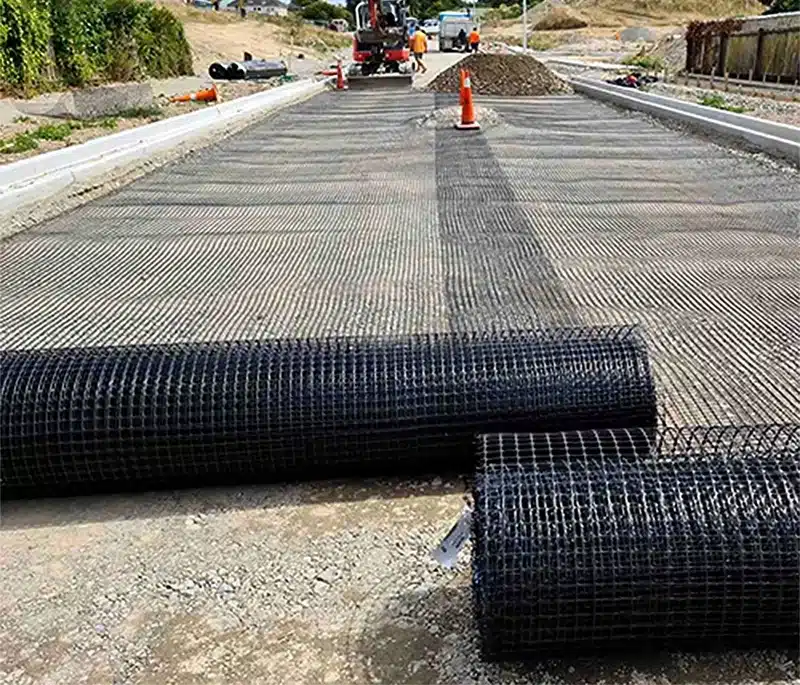
Choosing a geogrid for base stabilization improves the load-bearing capacity of the soil. Without a geogrid, weight is concentrated under the tires, causing the surface to sink and leaving ruts. With a geogrid, the vertical load is dispersed outwards, reducing pressure on the subgrade. It allows loose gravel to perform like solid paving stones.
Benefit 1: Enhanced Stability
The primary failure mode of standard gravel driveways is lateral displacement. The stones are pushed to the sides, leaving deep ruts. Geogrid driveways eliminate this problem by physically preventing the stones from moving.
How Geogrid Driveways Work
Once the grid is filled, the aggregate interlocks. Friction between the stones and the textured grid walls creates a composite structure. This prevents the “billiard ball effect,” where stones roll under pressure.
Comparison to Traditional Driveways
Concrete cracks over time, and asphalt surfaces are prone to potholes. Loose gravel driveways are expensive to maintain. Geogrids for gravel driveways offer the flexibility of gravel without the displacement. It withstands freeze-thaw cycles better than rigid concrete because the system can move slightly without cracking.
Advantage 2: Improved Drainage Solutions
Water management is often the most overlooked aspect of residential paving. Impermeable surfaces like concrete channel water into storm drains or onto a neighbor’s property.
he Importance of Driveway Drainage
You need an effective driveway drainage solution to prevent erosion and water pooling. Geogrid paving systems allow rainwater to permeate directly through the surface into the soil below. This natural infiltration reduces the risk of winter ice formation.
Permeable Paving Systems Explained
These grids function as a permeable paving system. By filling the grids with gravel or turf, you maintain the natural hydrology of the ground. This is crucial for meeting local zoning regulations regarding the amount of impermeable surface area on residential lots.
Advantage 3: Environmentally Friendly Landscaping
Sustainability is becoming a key factor in material sourcing. Geogrid driveways have a lower embodied energy than concrete and reduce the urban heat island effect.
Geogrid Applications in Gravel Driveways
Using geogrids with gravel reduces the amount of gravel needed. Because the grid stabilizes the gravel layer, the base layer thickness can typically be reduced by up to 50% compared to unreinforced roads. This saves on both materials and transportation costs.
Turf Stabilization Grid Solutions
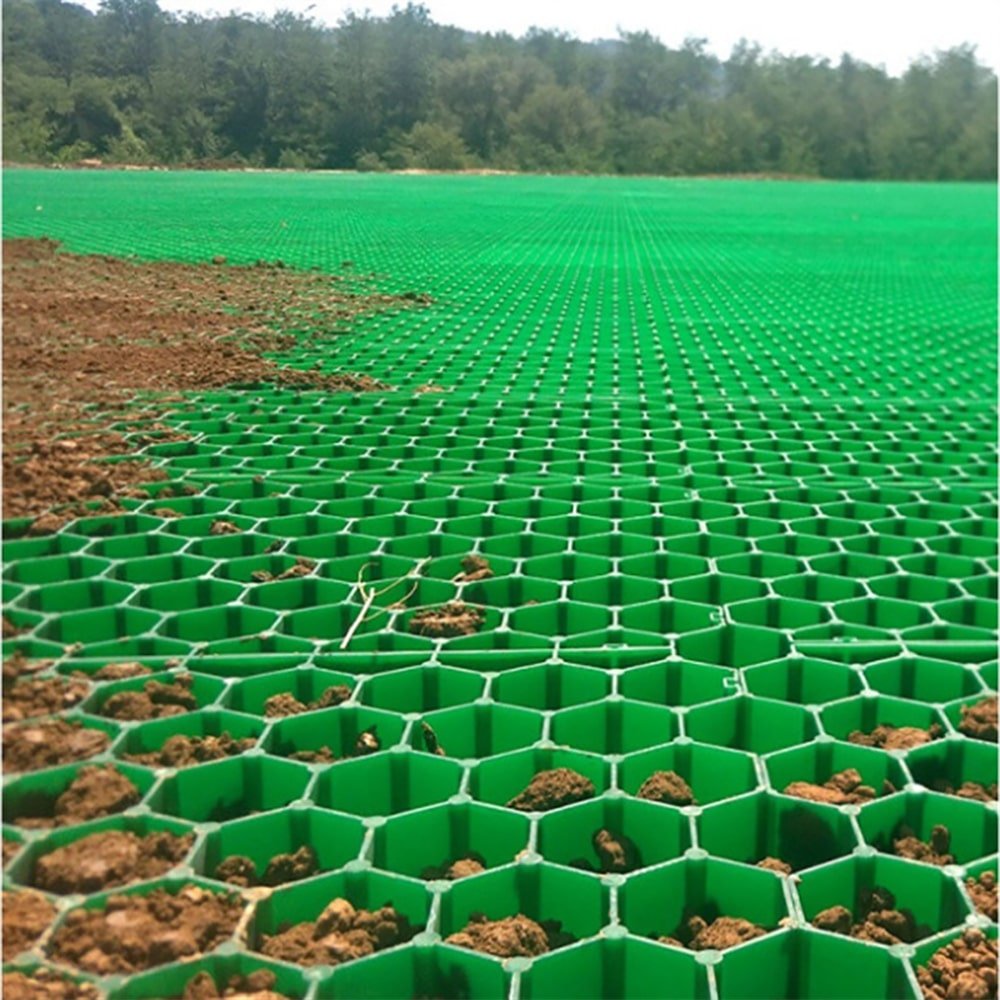
If you prefer green over gray, geogrid turf driveways support vehicle weight while allowing grass to grow. The grid protects the root system from compaction. You’ll have a lush lawn that you can park on, making geogrid ground grids excellent for temporary parking areas or fire lanes.
Advantage 4: Cost-Effective Solution
Budget is always a limiting factor. While the initial cost of a geogrid driveway may seem higher than simply dumping a pile of loose gravel, it’s more cost-effective in the long run.
Geogrid Driveway Cost Analysis
When calculating the total cost, consider the reduced amount of base material required. Geotextile-reinforced gravel grid systems require less excavation and less aggregate. Installation is quick, typically requiring only a few people and standard tools, thus reducing labor costs.
Long-Term Savings vs. Initial Investment
Conventional gravel driveways require gravel replenishment every one to two years. A stable geotextile-reinforced ground system requires minimal maintenance and can last for over 10 years. You won’t need to buy new gravel or spend your weekends filling in ruts anymore.
| Cost Factor | Loose Gravel | Ground Grid Driveway |
| Initial Material | Low | Medium |
| Installation Labor | Low | Low/Medium |
| Yearly Maintenance | High (Top-ups/Grading) | Low (Inspect/Clean) |
| Lifespan | Short (displacement) | Long (confined) |
Benefit 5: Versatility in Design
A ground grid driveway does not limit your aesthetic choices. The system is buried, so the visible surface is whatever fill U choose.
Options for Geo Grid for Gravel and Grass
U can switch between a modern decorative stone look and a natural grass finish. Some homeowners use a geo ground grid for the main track and a landscape grid for the borders.
Customization of Ground Grid Driveway
Because the panels are flexible, U can cut them to fit curves and irregular shapes. Whether U have a steep slope or a flat circular drive, the geo grid driveway adapts to the terrain.
Conclusion
A ground grid driveway offers U a stable, drainable, and low-maintenance alternative to traditional paving. By confining your fill material, U eliminate ruts and improve the longevity of your landscape.
Would U like me to calculate the specific number of panels and anchors needed for your driveway dimensions? Contact MJY Geosynthetics for a direct supply quote.