What Is Geogrid Material?
When U’re designing a road, driveway, or reinforced structure, the performance of the system often depends on one hidden layer: geogrid material. Understanding what geogrid material is made of—and where each material performs best—helps U control settlement, improve load distribution, and extend service life. Let’s break it down from a material and application perspective.
What Is Geogrid Material?
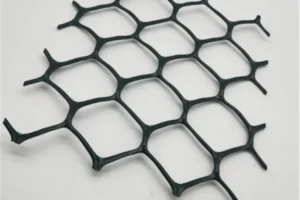
Geogrid material is a high-strength geosynthetic grid manufactured from engineered polymers such as polypropylene (PP) or polyester (PET). It is designed specifically for soil reinforcement and ground stabilization in civil engineering and infrastructure projects.
Through its open, grid-like structure, geogrid material mechanically interlocks with aggregates and surrounding soil, creating a composite system that significantly improves load-bearing capacity and limits lateral soil movement. This interlocking mechanism allows stresses to be distributed more evenly, reducing deformation and increasing the long-term stability of structures such as road bases, driveways, retaining walls, embankments, and slope systems.
Compared with traditional ground improvement methods, geogrid material enables thinner aggregate layers, minimizes excavation, and lowers overall construction costs while enhancing durability and service life. Depending on project requirements, geogrid material is available in different structural types, including uniaxial geogrids engineered for high tensile strength in one primary direction, and biaxial geogrids that provide balanced reinforcement in two directions for pavement and general soil stabilization applications.
Common Raw Materials Used in Geogrids
- Polypropylene (PP): Lightweight, cost-effective, and widely used for road bases and driveway reinforcement.
- High-Density Polyethylene (HDPE): Known for flexibility and chemical resistance, suitable for slopes and softer soils.
- Polyester (PET) with polymer coating: High tensile strength and low creep, ideal for retaining walls and structural reinforcement.
Each polymer gives the geogrid a different mechanical behavior, which directly affects where it should be used.

Geogrid Material Specification and Performance
When selecting a geogrid, material choice must align with project demands. A proper geogrid material specification typically includes tensile strength, junction efficiency, aperture size, and long-term creep resistance.
Key Specification Factors U Should Check
- Tensile Strength (kN/m): Determines load-bearing capacity.
- Creep Resistance: Critical for long-term structures like retaining walls.
- UV & Chemical Stability: Important for exposed or aggressive environments.
- Aperture Geometry: Affects interlock with aggregate or soil.
For example, a geogrid material driveway application usually prioritizes stiffness and interlock over extreme tensile strength, while reinforced walls require high-strength, low-creep PET geogrids.

Application Scenarios by Geogrid Material Type
Different geogrid materials perform best in different environments. Matching material to use case is what separates long-lasting projects from early failures.
Driveways and Road Bases
- Recommended material: Polypropylene or HDPE geogrid
- Why: Excellent aggregate confinement, easy installation, cost efficiency
- Typical use: Residential driveways, parking areas, access roads
This is where geogrid material driveway solutions deliver the highest ROI.
Retaining Walls and Reinforced Slopes
- Recommended material: Polyester geogrid with polymer coating
- Why: High tensile strength and low creep under sustained loads
- Typical use: Segmental retaining walls, reinforced soil structures
Temporary Roads and Soft Subgrades
- Recommended material: HDPE geogrid
- Why: Flexibility and chemical resistance in wet or weak soils
Choosing the right geogrid material supplier is just as important as choosing the right polymer—consistent raw materials and controlled manufacturing ensure design values are met in the field.
Conclusion
So, what is geogrid material? It’s not just “plastic grid”—it’s an engineered reinforcement system where polymer type defines performance. From PP and HDPE for road and driveway stabilization to high-strength PET for structural reinforcement, geogrid material selection directly impacts safety, lifespan, and cost control.
By clearly understanding geogrid material specifications, core production materials, and proven application scenarios, U can make confident, risk-controlled purchasing decisions. Partnering directly with MJY, a professional geogrid manufacturing factory, ensures consistent raw materials, stable tensile performance, and strict quality control—whether U’re sourcing from a dependable geogrid material supplier or engineering a long-lasting, high-load geogrid material driveway system.