Looking for where to buy geotextile fabric in 2025? Whether you’re tackling a small DIY drainage fix or managing a large-scale civil engineering project, finding the right geotextile at the best price can feel like navigating a maze. The truth is — buying direct from a trusted manufacturer like MJY not only saves you a fortune but guarantees top-notch quality backed by decades of experience. In this guide, you’ll discover exactly where to source woven and non-woven geotextile fabric, both locally and online, so you can get the perfect roll for your project—fast, reliable, and without breaking the bank.
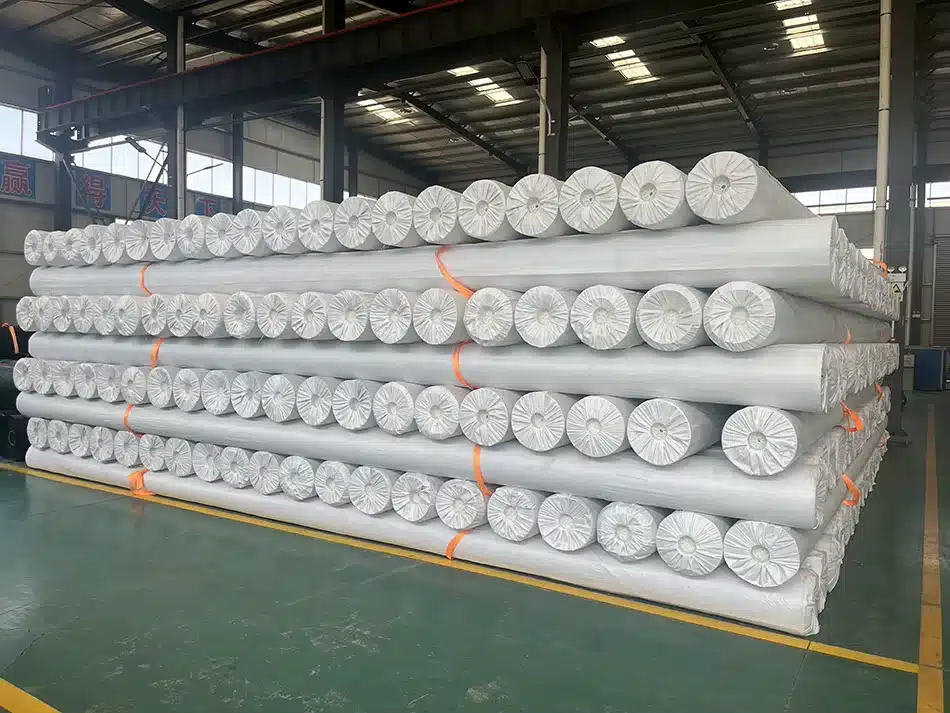
Buy Direct from a Geotextile Manufacturer (Best Price & Quality)
If you’re wondering where can I buy geotextile fabric without paying through the nose, buying directly from a manufacturer is hands-down your smartest move. Factory-direct purchases crush retail on both price and quality 99% of the time. Why? You cut out middlemen and retail markups that can easily triple your cost. Plus, you get access to the exact specs you need — no compromises on material weight, type, or performance.
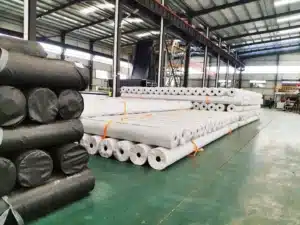
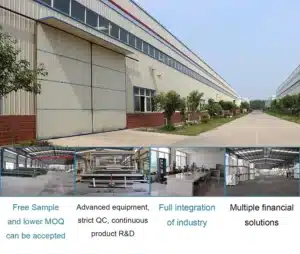
Take MJY as a prime example. With over 20 years in the business, MJY is a trusted name that’s both ISO and CE certified, shipping to more than 80 countries worldwide. Their product range is impressively broad, covering all the bases:
- Non-woven geotextile fabric from 100 to 800 g/m² — perfect for everything from light landscaping to heavy civil projects.
- Woven geotextiles made from polypropylene (PP) and polyethylene terephthalate (PET) for reinforcement or separation.
- Advanced geocomposite solutions combining layers for drainage, filtration, and reinforcement.
Need to test first? No problem. MJY offers free samples tailored to your project and custom quotes usually within 24 hours.
Typical Factory-Direct Pricing (per square meter)
| Product Type | Weight (g/m²) | Price Range (USD/m²) |
|---|---|---|
| Non-woven standard | 100 – 200 | $0.35 – $0.65 |
| Heavy-duty non-woven | 300 – 500 | $0.70 – $1.10 |
| Woven PP / PET geotextile | 200 – 800 | $0.90 – $1.50 |
| Geocomposites (multi-layer) | N/A | $1.20 – $2.50 |
Buying factory-direct like this isn’t just a saving; it’s an upgrade for your 2026 French drain, driveway reinforcement, or erosion control project. Ready to cut out the retail middleman and get quality geotextile tailored to your needs? Click here for an instant MJY quote and free samples today.
Big-Box & Landscape Supply Stores (Fast Local Pickup)
If you need geotextile fabric quickly, big-box stores like Home Depot, Lowe’s, B&Q, Travis Perkins, and UK/Ireland’s Wickes are convenient spots to check out. These stores usually stock light-duty, non-woven geotextile fabric in the 100-200 g/m² range, which is great for basic landscaping, garden beds, or simple separation tasks under gravel.
What They Stock:
- Mostly light non-woven geotextile fabric (100-200 g/m²)
- Standard roll sizes suitable for small projects
- Limited options for heavier-duty woven fabrics or specialized geocomposites
Here’s a quick look at the pros and cons of buying from these stores:
| Pros | Cons |
|---|---|
| Fast local pickup | Prices often 3-5× higher than factory direct |
| Easy returns and support | Limited product range and specs |
| No minimum order quantity | Mostly light-duty fabric only |
While buying from these retailers is fast and handy for small DIY projects, their selection doesn’t always cover specialized needs like driveway geotextile fabric or heavy-duty landscape fabric. For those, looking into manufacturers or specialist suppliers is often a better bet.
If you want to understand more about how these fabrics work under gravel or pavers, check out this guide on does geotextile fabric let water through for practical insights.
Specialist Civil Engineering & Geosynthetics Suppliers
If you’re looking to buy geotextile fabric in Ireland, the UK, or the US and want reliable, locally stocked options, specialist civil engineering and geosynthetics suppliers are a solid choice. In Ireland, well-known suppliers include Roadstone, Kilsaran, Wrekin, and TCS Geotechnics. Across the UK, Terram distributors are a go-to source, while in the US, companies like US Fabrics and Skaps offer a broad range of geotextiles, from non-woven separation fabric to heavy-duty woven types.
These suppliers typically carry geotextile fabrics purpose-built for construction, drainage, and erosion control projects. They often provide technical support and can advise on the best product for your application, which is handy if you’re working on infrastructure or landscape projects.
When to Use Civil Engineering Suppliers vs Manufacturer Direct?
Use Suppliers If:
- You need smaller quantities or quick local pickup
- You want expert advice and access to related geosynthetics like geogrids or geocells
- You prefer familiar brands with tested performance
Go Direct from Manufacturers If:
- You’re ordering in bulk for cost savings on geotextile fabric price per roll
- You need custom specifications or heavier weight fabrics (100-800 g/m² non-woven or woven PP/PET)
- You want free samples or fast quotes with reliable worldwide shipping
For projects needing precise technical specs or bulk orders, buying factory-direct often wins on price and quality. Meanwhile, local specialist suppliers are great for fast access and guidance. For advice on geotextile fabric types for things like drainage or reinforcement, check out our detailed guide on what geotextile fabric is used for to make sure you pick the right one.
Online Marketplaces & Retailers
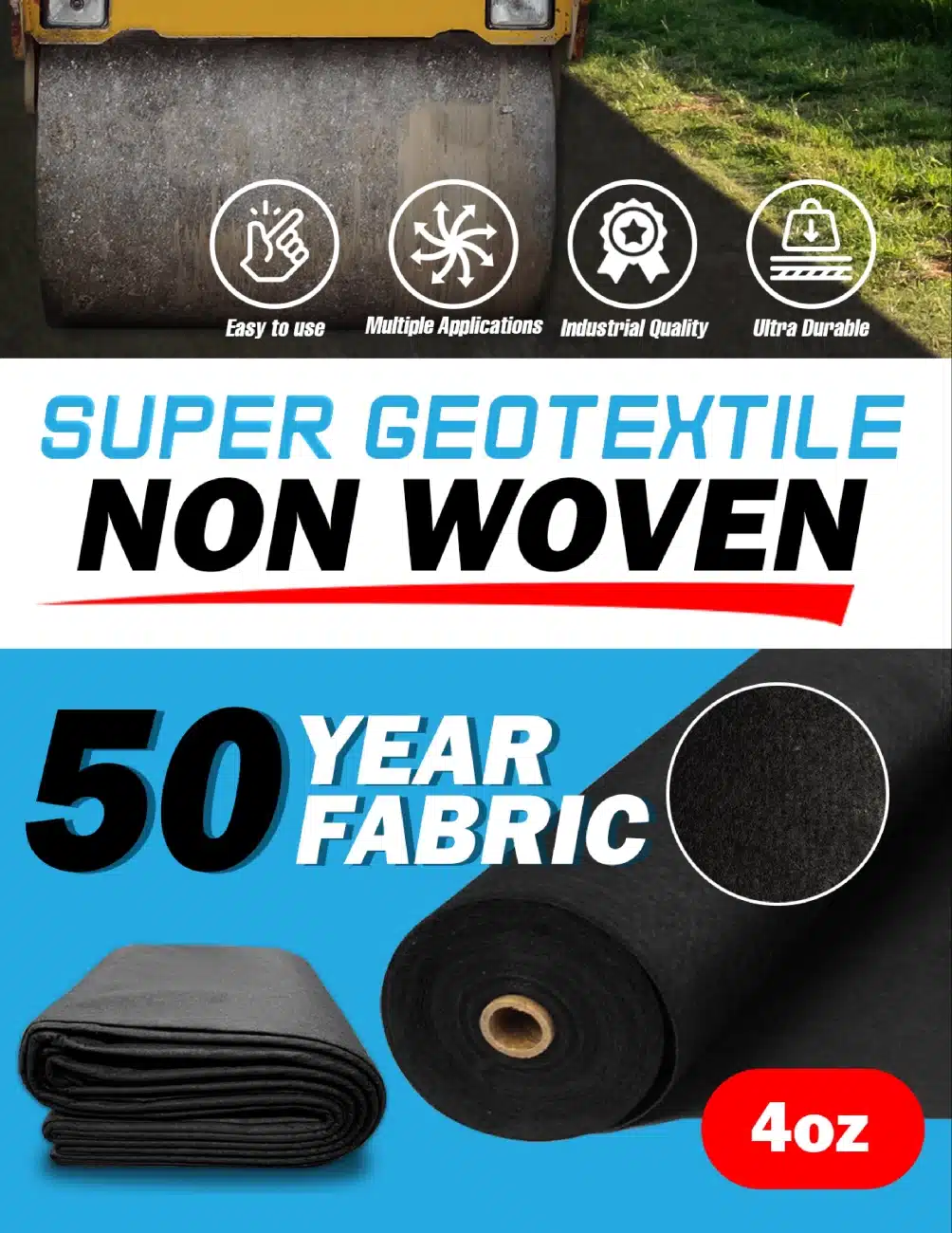
If you’re wondering where can I buy geotextile fabric easily, online marketplaces like Amazon, eBay, and Alibaba are popular go-tos. But be aware, buying from these platforms can be a bit of a quality lottery. Many sellers offer a mixed bag of products, ranging widely in material strength and authenticity, especially for non woven geotextile fabric for sale. You might end up with a light-duty fabric when you actually need something more heavy-duty for driveway geotextile fabric or landscape fabric heavy duty projects.
For more reliable options, consider reputable online-only stores specializing in geosynthetics, such as GeoFabricDirect, East Coast Erosion, and Stratec. These suppliers usually have detailed specs and clear descriptions, making it easier to choose the right product. Plus, they often provide better customer support and sometimes free geotextile samples to ensure you get exactly what you need before committing.
Buying online is convenient, especially if you want bulk geotextile fabric shipped straight to your door. Just pay close attention to product reviews, certifications, and seller ratings to avoid surprises. For deeper insight on what geotextile fabric is and its applications, check out this comprehensive guide on what is geotextile fabric.
How to Choose the Right Geotextile for Your Project
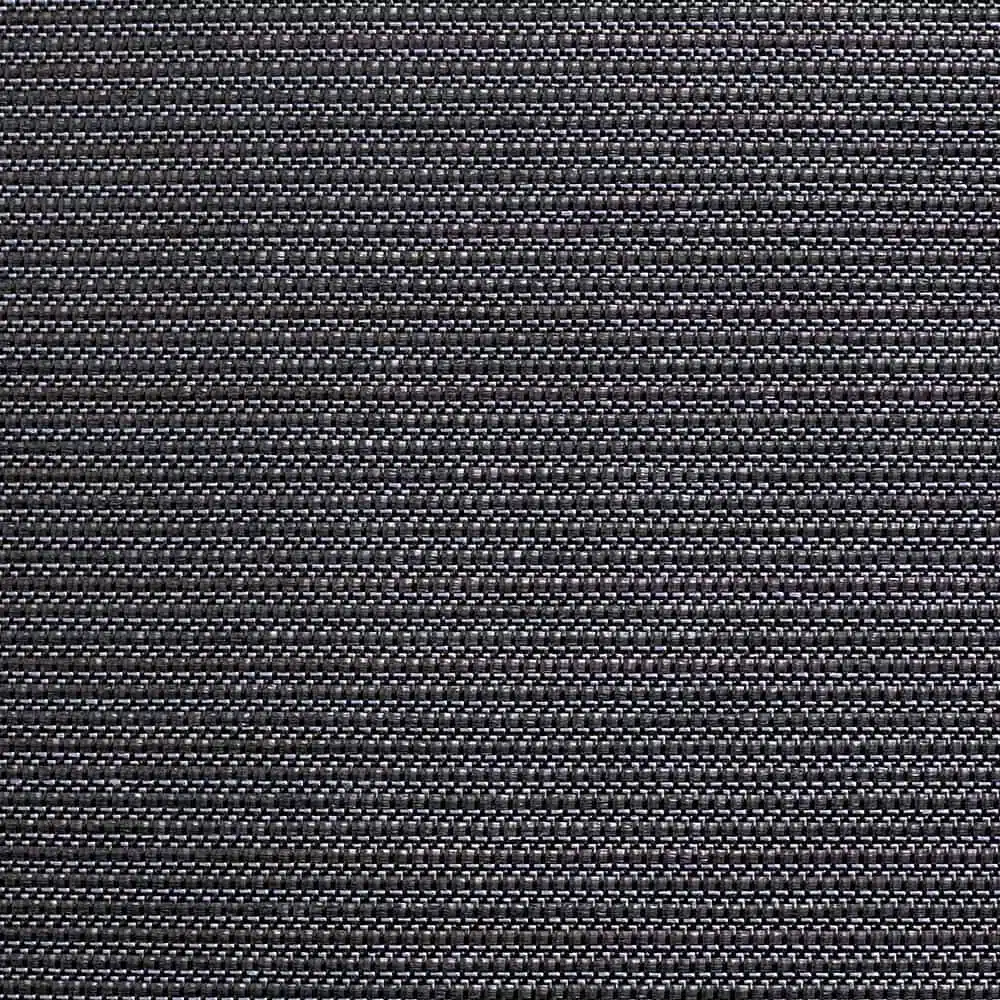
Picking the right geotextile fabric depends on what your project needs—separation, filtration, drainage, or reinforcement. Here’s a quick decision matrix to help:
| Purpose | Type | Common Gram Weight | Use Cases |
|---|---|---|---|
| Separation | Non-woven or Woven | 100-200 g/m² | Keep layers (soil and gravel) separate under driveways or roads. |
| Filtration | Non-woven | 150-300 g/m² | Allow water flow while blocking soil (e.g. drainage layers). |
| Drainage | Non-woven or Geocomposite | 200-400 g/m² | Promote water movement in retention or erosion control setups. |
| Reinforcement | Woven PP or PET | 300-800 g/m² | Long-lasting support under roads, retaining walls, or heavy loads. |
Woven vs Non-Woven Cheat Sheet
| Feature | Woven Geotextile | Non-Woven Geotextile |
|---|---|---|
| Composition | Interlaced PP or PET fibers | Needle-punched or heat-bonded fibers |
| Strength | High tensile strength | Moderate tensile strength |
| Water Flow | Limited (mainly separation and reinforcement) | Good water permeability; filtration & drainage ideal |
| Durability | Longer lifespan, UV resistant | More flexible, easier to install |
| Typical Uses | Roads, reinforced earthworks | Drainage blankets, filtration layers |
Most Common Gram Weights and Their Typical Uses
- 100-200 g/m² – Light separation like under landscaping or light driveways.
- 200-400 g/m² – Filtration and drainage layers around pipes or retaining walls.
- 400-800 g/m² – Heavy-duty reinforcement for roads, driveways, or erosion control.
Choosing the right fabric upfront saves headaches later. For tips on proper installation, check out our contractor-ready guide on how to lay geotextile fabric to ensure your project lasts.
Current 2026 Pricing Overview (Retail vs Direct)
When it comes to buying geotextile fabric in 2026, price transparency is key. Whether you’re buying for a DIY driveway project or commercial civil engineering, knowing the typical costs per square meter or per roll can save you money and time.
Here’s a clear comparison between retail prices at big-box stores or local suppliers versus buying direct from a manufacturer like MJY:
| Product Type | Retail Price (per m²) | Factory-Direct Price (per m²) | Retail Price (per Roll, ~100 m²) | Factory-Direct Price (per Roll) |
|---|---|---|---|---|
| Light-duty Non-woven 100 g/m² | $1.50 – $3.00 | $0.50 – $1.20 | $150 – $280 | $50 – $120 |
| Medium-duty Non-woven 200 g/m² | $3.50 – $5.00 | $1.20 – $2.50 | $350 – $480 | $120 – $250 |
| Heavy-duty Woven 500-800 g/m² | $7.00 – $12.00 | $3.50 – $7.00 | $700 – $1,100 | $350 – $700 |
Why the price gap?
- Retail markup: Convenience and local availability drive prices up 3 to 5 times compared to factory-direct.
- Limited specs: Retail stock often covers only light-duty or standard options.
- Direct benefits: Ordering from ISO-certified manufacturers like MJY means better quality control, custom weights, and often free samples.
If you want to dive deeper into geotextile types and uses before deciding, check out our detailed geotextile fabric guide to make sure you choose the right product for your project.
Ultimately, buying direct usually gets you bigger rolls, higher quality, and better prices—especially if you\’re sourcing bulk geotextile fabric or specialized grades not found in retail.
Shipping, MOQ & Lead Times Explained

When buying geotextile fabric, understanding shipping, minimum order quantities (MOQ), and lead times is key to avoiding surprises.
Typical Freight Costs: Shipping geotextiles can get pricey due to the weight and bulk of rolls. Freight costs vary depending on your location, order size, and shipping method. For U.S. customers, freight usually runs from $100 to $300 per roll but can be less if you order in bulk.
How to Avoid Shipping Surprises:
Order multiple rolls at once to spread freight costs.
Confirm if the supplier offers free shipping thresholds.
Choose consolidated shipping options to lower expenses.
Ask about local distributor pickup options if available.
MJY’s Shipping Policy:
MJY offers free shipping for orders over a certain size, often starting at 1,000 meters² or approximately 10 rolls, helping reduce your overall cost significantly. They also provide express shipping options if you need geotextile fabric quickly.
Minimum Order Quantities & Lead Times:
- MJY\’s MOQ is usually 500 meters², but they happily provide free samples for smaller projects or testing prior to bulk buying.
- Lead times typically run 7–14 days, depending on current demand, product type, and destination country.
- Faster lead times can be arranged with express options at additional cost.
Planning your order with shipping and MOQ in mind ensures you get your geotextile fabric delivered on time and within budget without hidden costs. For more tips on installation, check out our guides on how to install geogrid driveway or common mistakes in geocell installation.
Frequently Asked Questions about Buying Geotextile Fabric
Can I buy small quantities for DIY projects?
Yes, many suppliers—including MJY and big-box stores—offer smaller rolls or samples perfect for DIY jobs. Buying direct from a manufacturer like MJY can also mean you get free samples or custom-sized orders to avoid excess material.
Do you deliver to Ireland, the UK, or the EU quickly?
Fast shipping to Ireland, the UK, and EU is available from select manufacturers and specialized suppliers. MJY, for example, ships to 80+ countries with express options and free shipping above certain order amounts, reducing typical freight costs and lead times.
What’s the difference between 4 oz, 6 oz, and 8 oz non-woven geotextiles?
These weights (measured in ounces per square yard or grams per square meter) refer to fabric thickness:
- 4 oz (about 135 g/m²): Lightweight, mainly for separation and filtration in low-traffic areas
- 6 oz (around 200 g/m²): Medium weight, good for drainage and moderate reinforcement
- 8 oz (approx. 270 g/m²): Heavy-duty, ideal for reinforcement under driveways or heavy loads
Heavier fabric generally means better durability and strength for tough jobs.
Is geotextile fabric the same as landscape fabric?
Not exactly. Landscape fabric usually is lighter, designed mostly for weed-blocking in gardens. Geotextile fabric is stronger and engineered for soil stabilization, drainage, and filtration. If you want to prevent weed growth and support gravel or pavers, a geotextile with proper specs is the way to go. More details on this can be found in our guide on how geotextile fabric stops weeds.
How do I install geotextile fabric under gravel or pavers?
Installation is straightforward:
- Clear and level the area.
- Lay the geotextile fabric flat, overlapping seams by at least 12 inches.
- Secure edges with stakes or pins.
- Add gravel or paver base on top gently to avoid tearing.
Proper installation ensures your driveway or patio drains well and stays stable long-term.
If you need help choosing the right type or weight of fabric, check out our quick decision matrix for geotextiles to find the best fit for separation, filtration, and reinforcement.

 English
  Spanish
  Arabic