Gravel disappears into weak ground when the separation layer is ignored or the wrong fabric is placed below the base.
Geotextile under gravel should be selected by subgrade strength, drainage need, aggregate sharpness, traffic, and installation method. Nonwoven fabric is commonly used for separation and filtration, while woven fabric may suit projects that also need tensile support. Overlap, edge coverage, and damage control matter as much as fabric weight.
The practical decision is not simply which product costs less per square meter. It is which layer can keep working after compaction, rainfall, construction traffic, and the conditions that matter on this site.
Before a purchase order is released, compare the product data sheet with the drawing, site conditions, installation method, and destination logistics. That small check helps a buyer identify whether two quotations truly cover the same material, roll dimensions, test basis, and delivery scope. It also creates a clear record for the contractor, project engineer, and supplier before site work begins. In B2B projects, clarity at this stage is usually less expensive than explaining a substitution after material reaches the site. Ask the supplier to identify any assumption in writing, especially when a drawing, local soil report, or anchor layout is not available at quotation stage. Confirm the proposed roll layout, joining plan, unloading approach, and inspection records as well, because these logistics affect installation quality and can change the actual project cost.
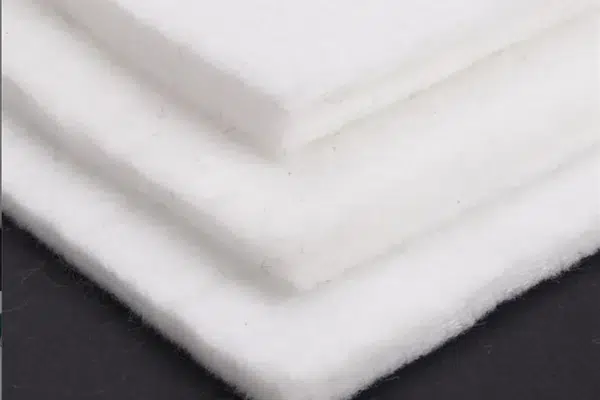
Send subgrade photos, gravel size, traffic type, area, and destination to compare fabric, roll width, and overlap before ordering.
Request a geotextile under gravel specification checkWhat the Fabric Does Below Gravel
Geotextile under gravel is principally a separation and filtration layer. It limits fine subgrade soil moving into the aggregate base while allowing controlled water movement. This preserves aggregate thickness and helps reduce pumping where soft soil and repeated traffic meet.
The important data points are apparent opening size, permittivity, filtration stability, and CBR puncture resistance. ASTM D4751 covers apparent opening size, and ASTM D4491 covers permeability by permittivity. A high strength number alone does not prove the fabric is the right filter for local soil. [1] [2]
Nonwoven or Woven Fabric Under Gravel
Nonwoven geotextile is commonly chosen for separation, cushioning, and drainage, while woven fabric may be considered where the base also needs tensile reinforcement. A driveway over silty soil, a farm track, and a heavy vehicle yard do not present the same failure risk.
Factory Tip: buyers often compare only GSM. Unit weight is useful but does not replace checking puncture resistance, opening size, roll width, and elongation. A heavier fabric with poor filtration fit can still pump or clog. The specification must match both the subgrade and the stone that will be placed on top.
| Project condition | Fabric focus | Buyer check |
|---|---|---|
| Soft silty subgrade | Separation and filtration | Permittivity, opening size, overlap |
| Sharp crushed stone | Puncture resistance | CBR puncture and placement method |
| Farm track | Practical separation | Traffic, drainage, roll width |
| Heavy yard | Whole base system | Subgrade, aggregate depth, reinforcement |
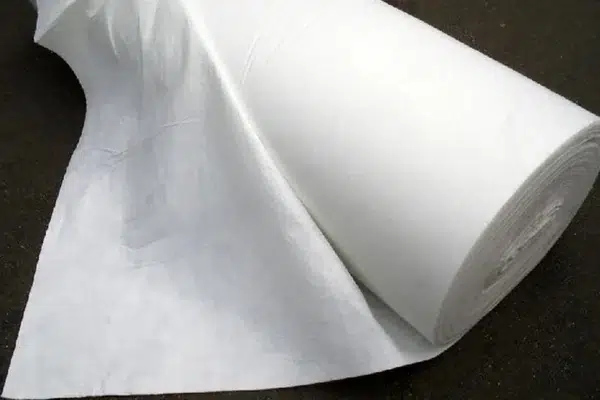
Overlap and First-Lift Placement
Overlap must keep the separation layer intact while gravel is spread; it is not just a visual detail. The needed overlap changes with soil softness, roll width, equipment movement, and whether the first stone is dumped from the fabric edge.
Field Note: a contractor placed aggregate onto an unpinned lap on wet ground. The first load pulled the fabric apart and mixed fines into the new base. The crew had to remove fresh aggregate before the fabric could be reset. On soft ground, wider laps, pins, and a gentler first lift are often cheaper than rework.
Installation Mistakes That Create Rework
Most under-gravel problems begin with site handling, not a laboratory result. Sharp protrusions, driving on exposed fabric, dragging rolls across rough subgrade, uncovered edges, and high-impact stone placement can puncture or move the layer.
Trim obvious protrusions, control standing water where possible, unroll without excessive tension, orient the lap against aggregate movement, then place the initial lift gently. Keep equipment on the placed stone rather than directly on the fabric. FHWA guidance considers geosynthetics as part of the full pavement or earthwork system. [3]
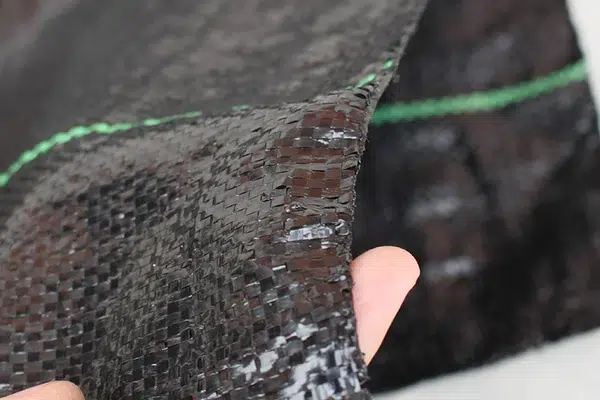
Choose by Project Risk
The correct fabric is chosen by the weak link in the project. Fine soil pumping makes filtration and separation central. Sharp recycled aggregate increases puncture risk. Heavy traffic may require a well-designed aggregate section and, in some cases, a separate reinforcement layer.
Expert Insight: the cheapest roll is rarely the lowest project cost if it tears, clogs, or allows the base to mix with subgrade. One extra aggregate delivery or a base excavation after rutting can cost far more than confirming specification and handling details before the first roll arrives.
RFQ Details Buyers Should Send
Send more than total square meters for a comparable quotation. Include application, soil description, gravel type and maximum stone size, traffic, drainage condition, roll width, overlap expectation, quantity, destination, and test data required.
Review MJY geotextile fabrics for separation and drainage and connect access projects to civil engineering application requirements. IGS resources give useful function context, but final choice should follow actual soil and loading conditions. [4]
My View
My view is that geotextile under gravel should be bought as part of the base system, not as a generic fabric line item. First ask what the subgrade will do after rain and traffic. Then check the aggregate, equipment, overlap, and placement sequence. Roll width and roll weight also change crew efficiency. A wider roll may reduce joints, but only if the site can handle it safely. Good procurement starts with site risk, not GSM alone.
Conclusion
Geotextile under gravel helps maintain separation and filtration when fabric type, overlap, puncture resistance, drainage, and placement are matched to the project.
FAQs
Should I use woven or nonwoven geotextile under gravel?
Nonwoven is commonly used for separation and filtration. Woven may suit projects that need higher tensile support. Soil, drainage, traffic, and aggregate decide the fit.
How much should geotextile overlap?
Overlap depends on soil softness, equipment movement, and placement method. Softer ground needs more secure lap and edge control.
Can fabric replace a gravel base?
No. It supports separation and filtration but does not replace aggregate thickness, drainage, or subgrade design.