A geomembrane liner can look complete and still fail acceptance when seam work is treated as a last-minute installation detail instead of a controlled process.
Geomembrane welding quality depends on compatible material, clean panel edges, a workable weather window, calibrated equipment, trial seams, and documented testing. Contractors should confirm the seam plan before liner delivery, because a repaired seam can delay inspection, cover placement, and the next construction activity.
For landfill, pond, mining, and containment work, the seam is part of the liner system. Panel layout, roll width, slope access, fusion method, temperature, wind, moisture, and inspection access all affect whether the welding crew can produce and verify a consistent seam.
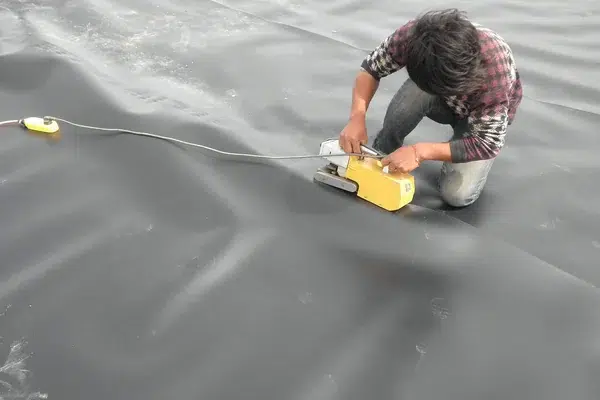
Send the liner type, thickness, panel layout, site conditions, quantity, destination, and required test standard for a project-based specification check.
Request a seam and material checkA useful RFQ does not stop at ‘HDPE liner.’ It should state smooth or textured surface, thickness basis, roll or panel dimensions, application, anticipated welding method, site conditions, required seam tests, documentation, packaging, and delivery constraints. That detail lets procurement teams compare comparable quotations instead of discovering a layout or access problem after the rolls arrive.
What Controls Geomembrane Welding Quality?
Seam quality is controlled by the complete welding condition, not by machine settings alone. Material compatibility, sheet cleanliness, ambient conditions, welding speed, pressure, temperature, and operator trial seams all need to remain within the approved project procedure.
A fusion welder cannot compensate for wet or contaminated sheet edges, an unstable power supply, poor panel alignment, or a seam route that forces the crew into tight access. The final procedure should be selected and approved for the project. ASTM D6392 provides destructive peel and shear test methods for nonreinforced geomembrane seams, which helps frame the testing requirement but does not replace site-specific acceptance criteria. [1]
The raw material and liner category still matter. GRI GM13 is a manufacturing quality-control specification for HDPE geomembranes and notes that individual projects may require additional conditions. Buyers should compare the stated properties and test basis with the actual project specification rather than assuming any black sheet can be welded in the same way. [3]
How Do Field Conditions Change the Weld Window?
Wind, surface moisture, dust, liner temperature, and access can change the practical welding window. A seam plan should set out when work pauses, how trial seams are evaluated, and how panels are protected before the next shift.
A dark liner exposed to direct sun can behave differently from the same liner in an early-morning or overcast installation window. The solution is not to rely on a generic setting from a previous site. The crew should follow the project welding procedure, make trial seams at the current conditions, and record the settings and test result required by the quality plan.
Field Note: A rushed panel layout can create unnecessary cross seams, short work lanes, and difficult access around anchors or penetrations. Fewer avoidable seams usually make inspection and repair management easier, but the panel plan must still suit the approved containment design.
Which Seam Tests Should Buyers Ask About?
Buyers should ask how the project will use trial seams, nondestructive inspection, destructive samples, repair testing, and records. The required test frequency and acceptance criteria must come from the project specification, not from a generic product quotation.
ASTM D4437 covers nondestructive testing practices for geomembrane seams. These methods are commonly discussed for locating continuity issues, while destructive samples provide separate information about seam behavior. The responsible engineer or quality plan should define the required methods, locations, frequency, and response when a test result is outside the accepted range. [2]
| Quality item | Why it is checked | Buyer risk if omitted |
|---|---|---|
| Trial seam | Confirms the current welding window before production seams | Settings may not match actual liner or weather conditions |
| Panel identification | Connects seams, repairs, and test records to a location | Defects are harder to trace before cover placement |
| Nondestructive inspection | Checks seam continuity where required | A localized discontinuity can remain hidden |
| Destructive seam sample | Reviews peel and shear behavior under the specified procedure | No evidence that the approved seam procedure was achieved |
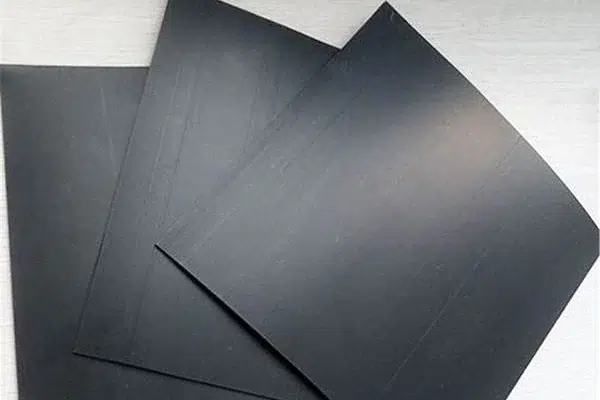
Test names should not become a checkbox exercise. Buyers should request the written seam plan, applicable test method, record format, repair procedure, and the person responsible for release of the lined area. That creates a usable inspection chain when the project moves from exposed liner to cover soil, liquid containment, or another next-stage operation.
What Creates Rework Before Acceptance?
Most seam rework starts with preventable conditions: damaged sheet edges, contaminated overlap areas, poor panel alignment, rushed repairs, missed records, or an installation sequence that denies the inspector access to the completed seam.
A lower liner price can become irrelevant when a project loses days to repairs, retesting, or delayed cover placement. That does not mean a thicker or more expensive liner automatically solves the issue. The better approach is to match liner grade, thickness, surface, panel dimensions, welding method, and field procedure to the design and site logistics.
QC Check: Before approving bulk production or dispatch, compare the approved data sheet, thickness and surface type, roll labels, batch identification, panel layout, welding procedure, test plan, packaging, and delivery sequence. This small review can prevent a material and installation plan from drifting apart.
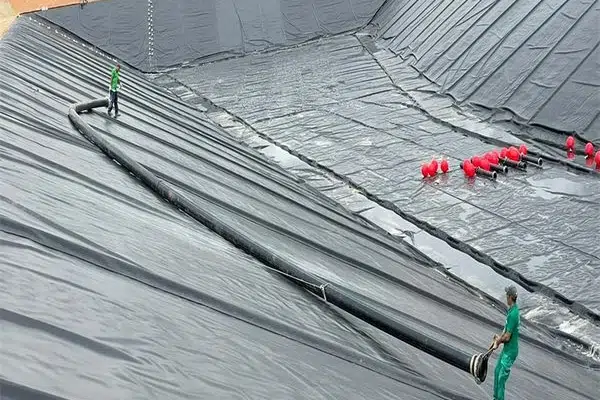
What Should Be Included in a Geomembrane Welding RFQ?
A welding-focused RFQ should state the containment application, liner type, thickness, surface, approximate panel layout, seam method, site conditions, quantity, destination, required documents, and specified inspection or test requirements.
For sloped or textured sections, include the slope detail and any interface requirement. For chemical or process containment, provide the liquid and temperature information required by the project team. Buyers can review HDPE geomembrane liner options, compare the related HDPE geomembrane installation guidance, and include a project seam and specification request with the drawing before selecting a supplier. The final material and welding procedure should be confirmed by the responsible project team.
FAQs
Can a visual check approve a geomembrane seam?
No. Appearance can reveal some problems, but the project quality plan should define the trial seams, inspection methods, testing, repair process, and records needed for acceptance.
Does a thicker liner always create a better seam?
No. Thickness affects handling and welding conditions, but material compatibility, surface condition, equipment, field conditions, and procedure control remain essential.
What should be checked before liner delivery?
Confirm liner type, surface, thickness basis, roll or panel dimensions, labels, batch traceability, welding plan, test requirements, packaging, access, and delivery sequence.
Conclusion
Reliable geomembrane seams start before installation. Match the liner, panel plan, field conditions, test plan, and RFQ details to the approved design before comparing a material price.