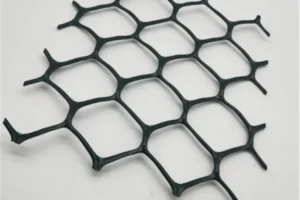
A grass grid driveway can rut, shift, or stop draining when the visible panel is selected before the subgrade, base depth, infill, edge restraint, traffic condition, and maintenance plan are understood.
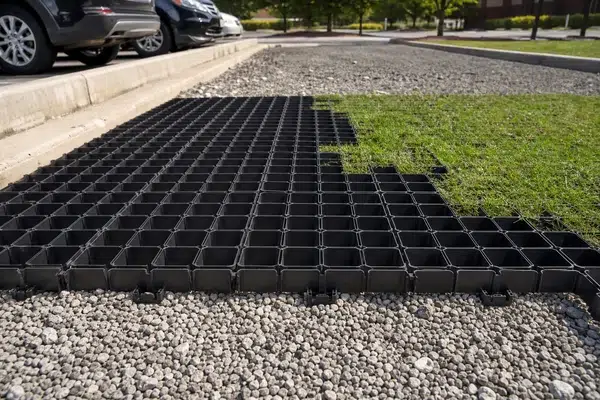
A grass grid driveway can work for permeable access and parking areas when the open-cell panel, prepared subgrade, granular base, infill, drainage route, traffic category, and edge details match the project. The panel is not the complete pavement system.
A reliable selection starts with the vehicle use and water path, then works upward through the base and surface cells.
Send the driveway area, vehicle use, subgrade, base detail, drainage approach, infill, quantity, destination, and panel preference for an RFQ review.
Request a driveway grid checkA clear grass-grid driveway RFQ should state the area, vehicle type and turning movement, subgrade condition, base section, drainage approach, panel size, edge detail, grass or gravel infill, quantity, destination, packaging, and requested documents. This prevents a landscape-grade panel from being quoted for a traffic area that needs a more robust surface system.
What Does a Grass Grid Driveway Actually Support?
A grass grid provides open-cell surface confinement, while the base and subgrade distribute the driveway load. It can be used for driveways, parking bays, and access lanes when the whole section is designed for the intended traffic.
The cells may be filled with gravel or growing media depending on the project. They do not turn weak saturated soil into a stable vehicle pavement by themselves. The formation, base aggregate, drainage, and edge restraint remain the main contributors to the long-term result.
EPA describes permeable pavement as a system in which stormwater moves through a permeable surface into underlying soil and gravel, where it may infiltrate or enter an underdrain. The driveway design should therefore include the intended water route, not just the panel layout. [1]
How Does Base Depth Change the Driveway?
Base depth and aggregate quality commonly matter more to driveway stability than the visible grid panel. The required section depends on subgrade support, traffic category, climate, drainage, and the approved civil design.
A light residential driveway with straight vehicle movement has a different demand from an area used by delivery vehicles, repeated turning, or parked loads. Buyers should state the traffic condition instead of assuming that every grid cell can support the same use.
Where native soil drains poorly, the design may need an aggregate reservoir, an underdrain, or another controlled outlet. Standing water below the surface can soften the formation and reduce the stability of the base.
| Project condition | What to confirm | Risk if missed |
|---|---|---|
| Occasional light vehicles | Subgrade, compacted base depth, infill | Ruts or panel movement |
| Turning or braking zone | Traffic category, edge restraint, base | Displaced infill or cell damage |
| Poor-draining soil | Infiltration, reservoir, underdrain | Standing water and soft base |
| Grass-filled area | Growing media, irrigation, maintenance | Thin cover and reduced appearance |
Which Infill and Drainage Details Matter?
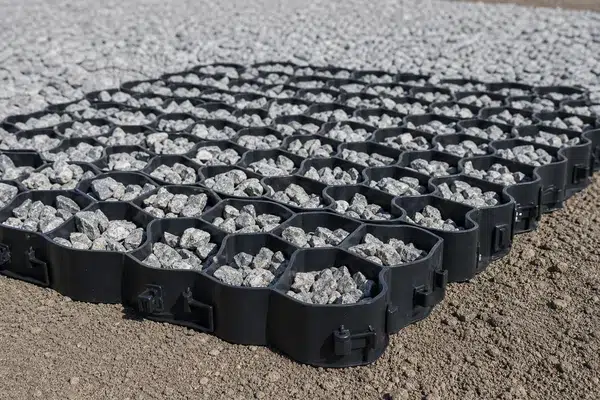
The correct infill depends on whether the driveway is intended to be grass-filled or gravel-filled, while drainage depends on whether water infiltrates, is stored, or is directed to an underdrain.
EPA notes that permeable pavement systems can infiltrate water or route it to an underdrain through a granular layer. Fine sediment can block surface cells and drainage voids, so the project should define how runoff, adjacent soil, and debris will be managed. [2]
A gravel-filled grid and grass-filled grid also have different maintenance requirements. The chosen infill should remain stable within the cells and fit the vehicle use, not simply match the preferred appearance.
What Installation Mistakes Create Rework?
Common problems are placing panels over an uneven base, omitting edge restraint, using unsuitable infill, allowing heavy turning before the surface is complete, and treating drainage and vegetation as one-time installation tasks.
Panels should sit on a prepared leveling layer without rocking or unsupported voids. Infill should be placed and settled by the project method, and construction traffic should be controlled until the section is complete. The responsible project team should confirm the final sequence.
Field Note: A grass grid is often priced by panel area, but the site outcome is controlled by base quantities, hauling access, edge details, and drainage construction. Comparing only the plastic panel price hides the installed-system cost.
How Should the Driveway Be Maintained?
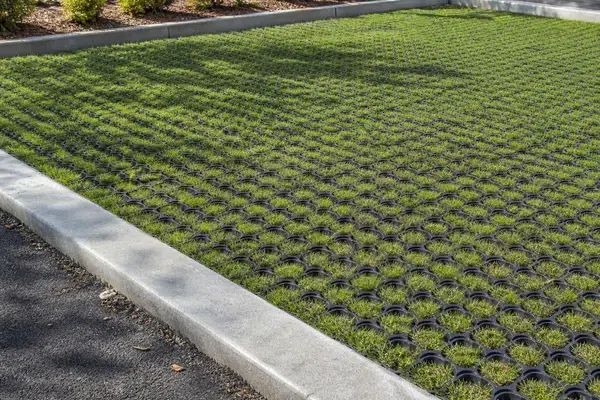
Long-term performance depends on maintaining open cells, stable infill, working drainage paths, and edge restraint after the driveway is put into service. The maintenance plan should fit whether the surface is grass-filled or gravel-filled.
Keep sediment, leaves, and loose soil from building up in the cells and drainage voids, especially where runoff enters from adjacent hard paving. Replace displaced infill and inspect edge areas after heavy traffic or wet periods.
For grass-filled driveways, irrigation, mowing, and seasonal establishment are part of the surface system. A grid panel cannot preserve vegetation or drainage capacity without routine site care.
What Should Buyers Include in a Grass Grid RFQ?
A complete RFQ includes the driveway use, traffic category, area, subgrade, base depth, drainage approach, panel dimensions, edge details, infill, quantity, destination, and requested documents.
For parking or access work, explain whether vehicles turn, brake, or stand in the area. For a drainage-led project, identify whether water infiltrates or enters an underdrain. EPA green-infrastructure guidance treats permeable surfaces as water-management systems, so the drainage question should be included at procurement. [3]
QC Check: Before release, confirm panel dimensions, connection method, stated material where specified, packaging, quantity per pallet, coverage calculation, base drawing, infill, and destination. Buyers can compare grass grid product options and submit a driveway material request before ordering.
FAQs
Can a grass grid driveway carry any vehicle load?
No. Traffic category, subgrade, base layers, panel geometry, infill, and edge restraint must be matched to the intended use.
Does a grass grid driveway always infiltrate water?
No. The water route depends on site soil, aggregate reservoir, drainage detail, and whether an underdrain is included.
Is the grid panel enough for a stable driveway?
No. The panel is part of the surface system. Subgrade preparation, base design, compaction, drainage, edge restraint, and maintenance remain essential.
Conclusion
A grass grid driveway should be purchased as part of a permeable pavement section. Confirm traffic, base, drainage, infill, edge restraint, and maintenance before comparing panel price.