Lucas

As a professional technical consultant at MJY Geosynthetics Company, I have over ten years of industry experience and possess in-depth knowledge of the company's various products – from technical parameters and material characteristics to corresponding construction methods. To date, I have provided services to clients in more than 40 countries and regions, accumulating extensive practical experience in multinational projects and developing a systematic understanding of geosynthetic applications, construction practices, and industry standards in different markets.

5 Surprising Uses for Non Woven and Woven Fabrics You Never Knew About?

Are you facing tight deadlines, strict regulations, or challenging construction scenarios? I’ll share 5 unexpected applications for nonwoven fabrics and textiles, complete with detailed factory specifications you can directly copy into your bid documents and RFQs. How to Select Woven Geotextiles? Woven geotextiles use high-tenacity PP or PET tapes or yarns. The interlaced structure creates […]

5 Surprising Uses for Non Woven and Woven Fabrics You Never Knew About? Read More »
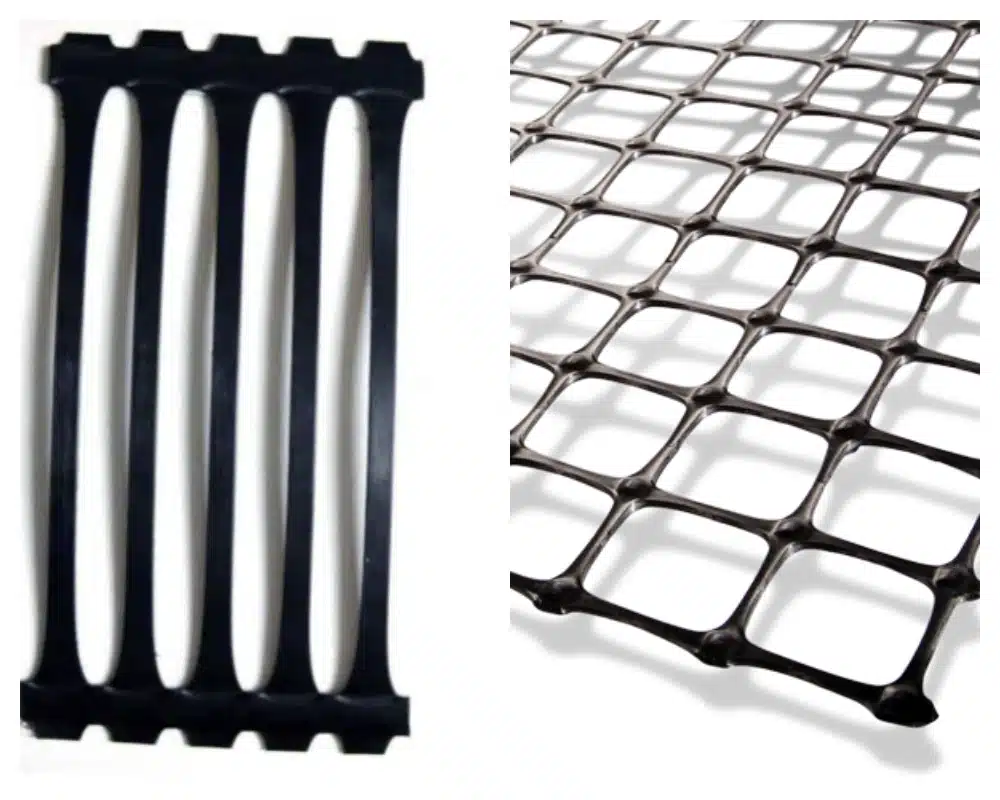
Uniaxial vs Biaxial Geogrid

Soft subgrade slows work and eats stone. You might ask, which grid handles it best—uniaxial or biaxial? Uniaxial geogrid gives high strength in one direction for walls and slopes. Biaxial geogrid spreads loads in two directions for roads and yards. Choose by load path, soil, and construction risk. Both products look similar at first glance.

Uniaxial vs Biaxial Geogrid Read More »

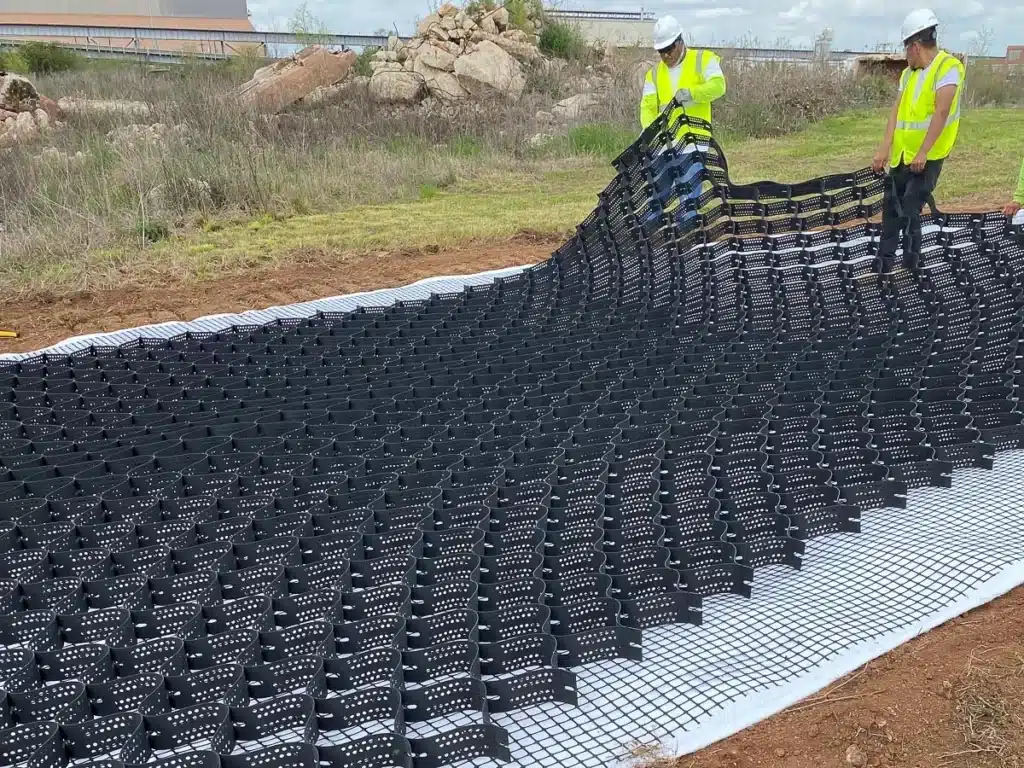
Geocell for slope protection

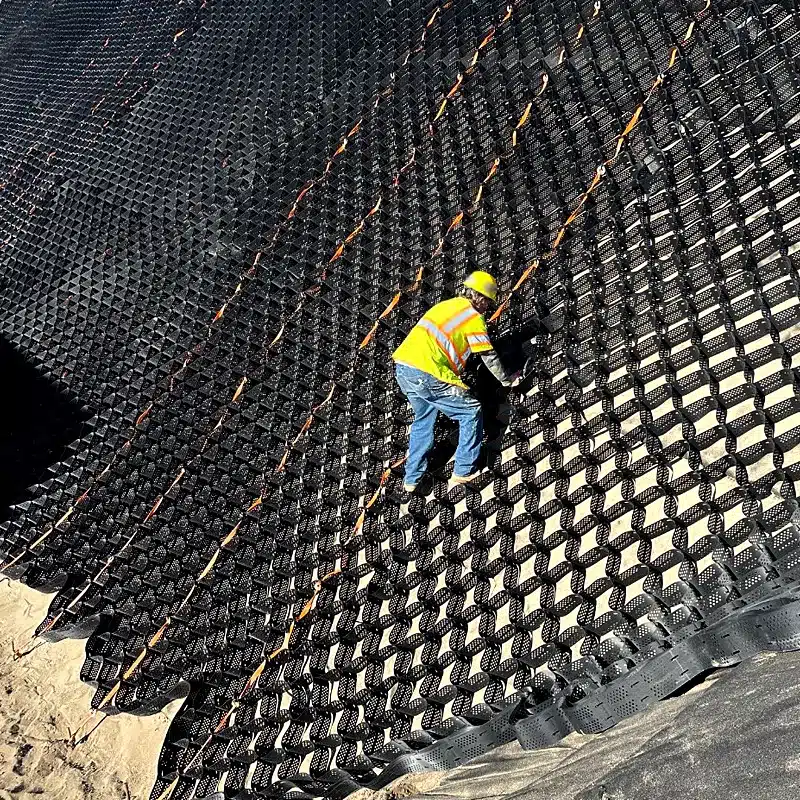
Erosion moves fast. Repair costs grow. You want a simple way to lock soil and rock in place. Can geocells handle your slope? Geocells are HDPE honeycomb mats that confine infill on slopes. They raise shear resistance, stop downslope creep, improve drainage at the face, and speed installation with light tools and small crews. Most

Geocell for slope protection Read More »

Geotextile for driveway

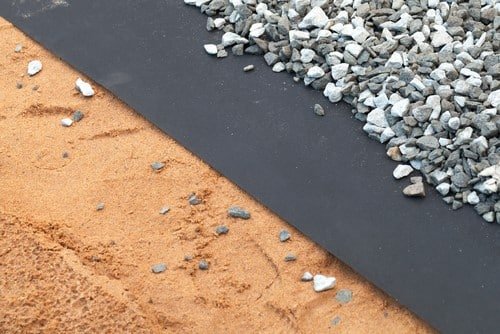
Mud tracks. Ruts after rain. Stones disappear into the subgrade. Want a simple layer that stops the mess? Geotextile for driveway builds a clean boundary between soil and base. It keeps fines down, lets water move, spreads loads, and extends gravel life with fewer repairs. You may wonder which fabric to choose, how to install

Geotextile for driveway Read More »

Ultimate guide: non woven geotextile for drainage

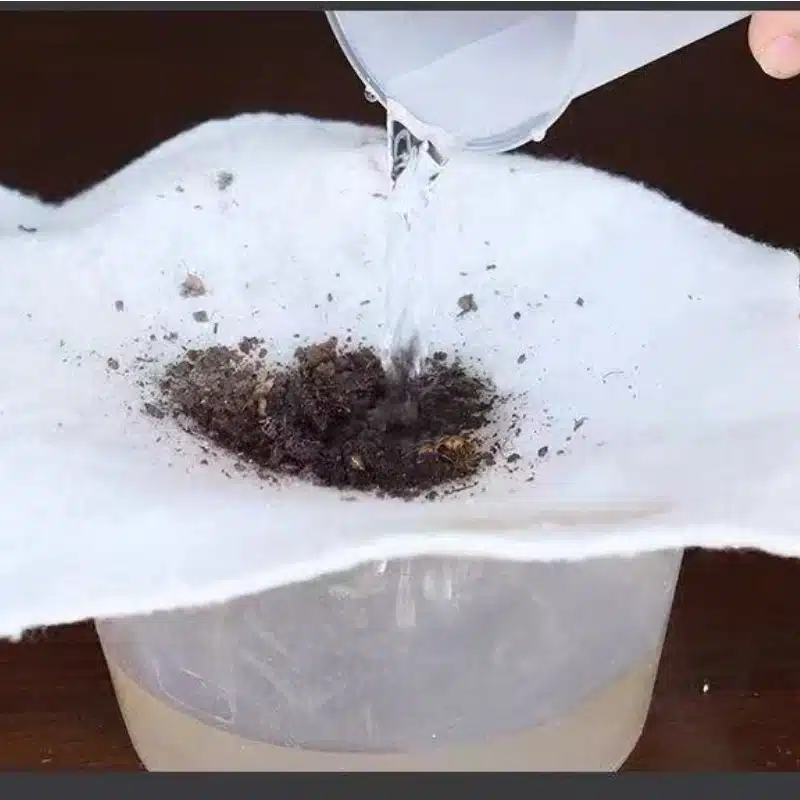
Rain swells soils. Drains slow down. Sites flood. You want one simple layer that keeps water moving and keeps fines out. Does nonwoven geotextile do that? Nonwoven geotextile is a needle-punched filter fabric that lets water through while holding soil in place. It delivers filtration, separation, and protection in drains, trenches, retaining walls, roads, sports

Ultimate guide: non woven geotextile for drainage Read More »

Woven vs nonwoven geotextile

You keep seeing woven and nonwoven geotextile on specs. Which one fits your job? Let’s sort it out with clear, simple points. Woven geotextiles give high tensile stiffness and strong separation. Nonwoven geotextiles offer broad filtration and drainage. Pick by function: stiffness vs water flow, then match soil, traffic, and installation risk. If you buy

Woven vs nonwoven geotextile Read More »

What is woven geotextile?

You see woven geotextile on specs and bids all the time. Not sure what it really does? Let’s break it down in plain words and real jobs. Woven geotextile is an engineered fabric made by interlacing polymer yarns into strong, low-permeability sheets. It separates soils, reinforces bases, controls erosion, and cuts rutting by sharing loads

What is woven geotextile? Read More »

en_USEnglish

Get Free Quote!