Lucas

As a professional technical consultant at MJY Geosynthetics Company, I have over ten years of industry experience and possess in-depth knowledge of the company's various products – from technical parameters and material characteristics to corresponding construction methods. To date, I have provided services to clients in more than 40 countries and regions, accumulating extensive practical experience in multinational projects and developing a systematic understanding of geosynthetic applications, construction practices, and industry standards in different markets.

What is geonet?

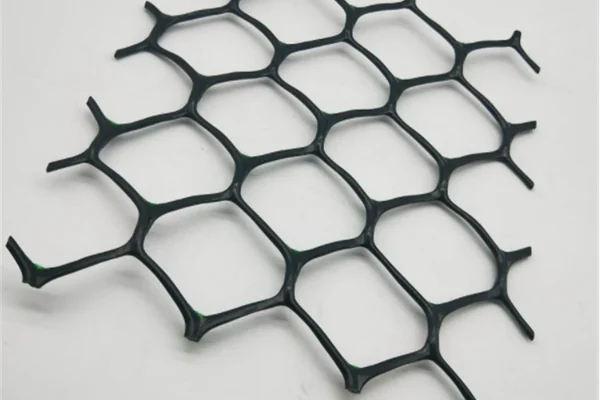
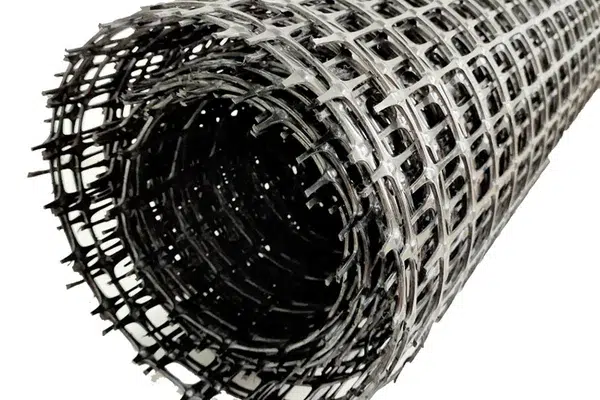
What is geonet? You manage water, pressure, and deadlines. You want drains that keep flowing under load, not promises that collapse in the field. Geonet is a high-flow polymer core engineered to transmit liquid or gas in-plane under sustained pressure. You use it alone or as a geonet-geotextile drainage composite to collect, convey, and relieve […]

What is geonet? Read More »

The Benefits of Using Geocells

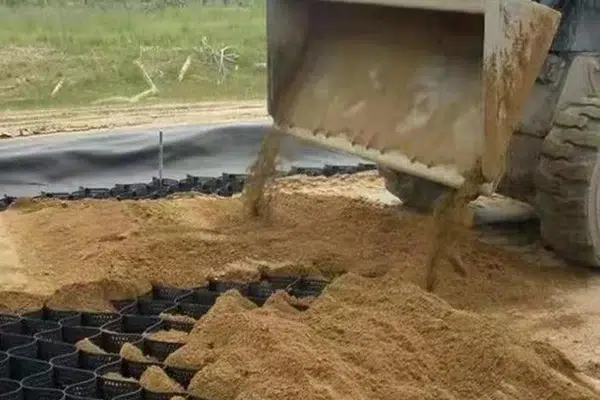
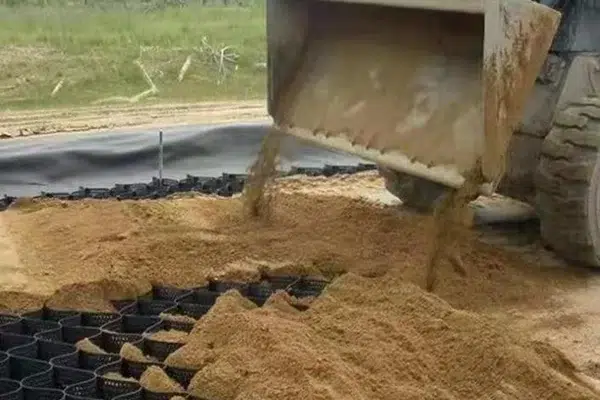
The Benefits of Using Geocells Bottom line: With geocells, U confine aggregate or soil so loads spread laterally, not down. U get thinner sections, faster installs, and longer service life—on driveways, roads, slopes, yards, channels, and retaining systems. What Are Geocells (and Why They Work) The Core Benefits U Can Count On Geocell Types (Choose

The Benefits of Using Geocells Read More »

Can You Pour Concrete Over Geocell?

Can You Pour Concrete Over Geocell? Short answer: Yes—when U design it right. A compacted subgrade, nonwoven separator, properly anchored geocell ground grid (filled and compacted), a thin blinding layer, and then the slab with correct joints/drainage create a stiff, durable section. Done to spec, concrete-over-geocell grid cuts base thickness, limits pumping/rutting, and improves freeze–thaw

Can You Pour Concrete Over Geocell? Read More »

What Is Geocell Used For?

What Is Geocell Used For? Snippet answer: Geocells are HDPE honeycomb panels that confine soil or aggregate to stop lateral movement, spread loads, and control erosion. U use them for driveways and road bases (load support), slopes and embankments (erosion control), retaining walls (backfill confinement), channels (lining), green parking/paths (grass grid), and temporary working platforms.

What Is Geocell Used For? Read More »

Where to buy geocells?

Where to Buy Geocells Deadlines are tight, soils are soft, and budgets are fixed. You need a clear path to buy geocells fast, pass inspection, and avoid rework. You buy geocells from factories, authorized distributors, or vetted B2B platforms. For infrastructure projects, working directly with a reliable geocell manufacturer reduces risk and keeps documentation aligned.

Where to buy geocells? Read More »

What is the difference between polypropylene filament geotextiles and polyester filament geotextiles?

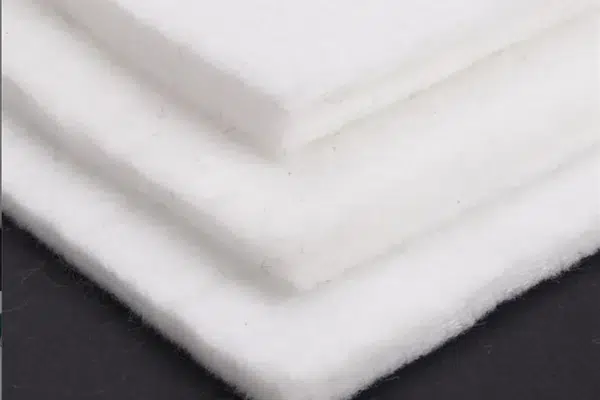
PP filament geotextiles give broad chemical resistance and good value. PET filament geotextiles give higher stiffness and lower creep for long life. Pick by chemistry, temperature, deformation limits, and budget, not by habit. What are the raw materials for geotextiles? PP is a non-polar, low-density polyolefin. PET is a polar polyester with higher density and

What is the difference between polypropylene filament geotextiles and polyester filament geotextiles? Read More »

Common Mistakes in Geocell Installation and How to Avoid Them?

Projects fail for simple errors. Deadlines slip. Inspectors push back. I show the most common geocell mistakes and quick fixes so your work passes first time. Geocell mistakes fall into four groups: selection, installation, tools and materials, and daily maintenance. I explain each group, show field symptoms, and give direct fixes you can apply today.

Common Mistakes in Geocell Installation and How to Avoid Them? Read More »

What is the difference between biaxial geogrids and triaxial geogrids?

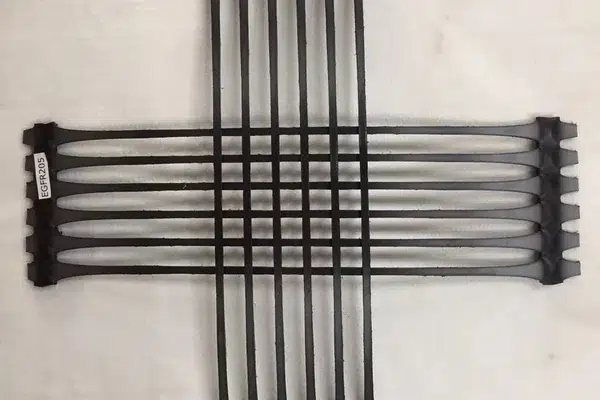
What is a biaxial geogrid? Biaxial geogrids are a popular choice for soil stabilization thanks to their strong, reliable performance in two directions. Made from punched-and-drawn polypropylene or high-density polyethylene (HDPE), these geogrids feature square or rectangular apertures. This design provides equal tensile strength along both the machine and cross-machine directions, making them ideal for

What is the difference between biaxial geogrids and triaxial geogrids? Read More »

What Is Geogrid Used For?

You want stronger bases, safer walls, and fewer callbacks. You ask what is geogrid used for. The answer starts with the right geogrid material. Geogrid material is a polymer lattice that locks with compacted stone. This geogrid reinforcement stops lateral movement, spreads load, and reduces rutting. You use it in roads, platforms, retaining walls, and

What Is Geogrid Used For? Read More »

en_USEnglish

Get Free Quote!