A geocell panel can improve soil support and aggregate confinement, but it cannot correct an undefined base section, weak saturated formation, or an installation method that lets the cells distort before infill is placed.
Geocell can support soil stabilization when cell depth, weld pattern, infill, subgrade condition, drainage, anchoring, and construction traffic match the project. Buyers should select the cellular system by its required function and site section, not by panel appearance or a generic price per square metre.
The most useful selection starts by identifying whether the project needs a working platform, road base, slope surface, erosion-control layer, or another confinement function.
Send the section drawing, subgrade condition, infill, area, traffic or slope information, quantity, destination, and required documents for a material review.
Request a geocell project checkA complete geocell RFQ should state the application, subgrade condition, cell depth or performance requirement, panel size, infill, anchor detail, traffic or slope condition, area, quantity, destination, packaging, and requested test documents. Without this information, two panels with a similar visual pattern may not be comparable for the intended construction detail.
Where Does Geocell Soil Stabilization Fit?
Geocell is commonly considered where a project needs three-dimensional confinement of aggregate, soil, or other infill over a weak formation, on a slope, or in a traffic area. The final fit depends on the engineered section and loading condition.
For an access road or working platform, the cells can help confine selected aggregate so the layer works as part of the design. For slopes, the cells can hold soil or stone in a defined surface layer. These are different applications and should not be specified from the same generic panel description.
FHWA guidance treats geosynthetics as components of an engineered earthwork system. That means the formation, aggregate, drainage, construction sequence, and expected loading remain part of the material decision. [1]
Which Specifications Change the Recommendation?
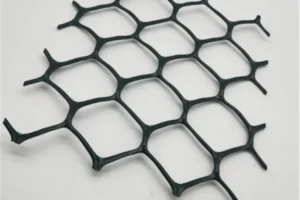
Cell depth, weld spacing, panel dimensions, material type, infill, anchoring, and expanded coverage area can all change the way a geocell system is purchased and installed.
A deeper cell is not automatically a better choice. The required depth depends on the thickness of the intended confined layer, aggregate size, slope or traffic condition, and approved design. Buyers should also confirm whether the quoted panel size is folded or fully expanded, because the coverage calculation changes at installation.
The International Geosynthetics Society provides broad educational resources, but final performance still depends on project geometry and field conditions. The supplier should receive the actual section before making a material recommendation. [2]
| Project condition | What to confirm | Risk if missed |
|---|---|---|
| Weak road formation | Subgrade support, aggregate, cell depth, traffic | Rut development or difficult access |
| Slope face | Cell depth, anchoring, infill, drainage | Infill movement or erosion |
| Parking or working platform | Load, turning movement, edge detail, base | Cell distortion or displaced aggregate |
| Vegetated surface | Growing media, anchoring, maintenance access | Uneven growth or soil loss |
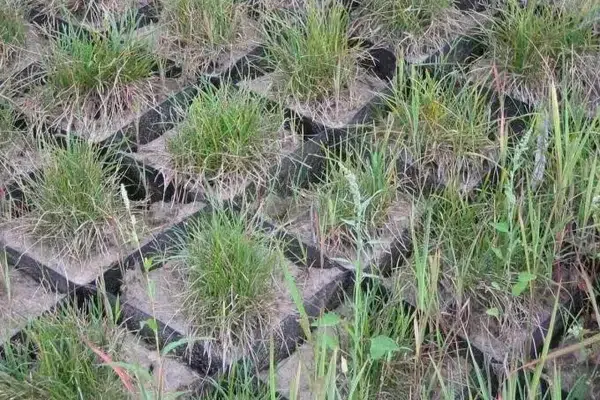
How Do Infill and Anchoring Affect Installation?
Infill and anchoring are not accessories. They control whether the expanded panels hold their planned shape while the project builds the confined layer.
The installation detail should define crest, toe, or edge anchoring; panel expansion; infill placement; compaction; and equipment access. Uncontrolled aggregate placement can pull cells out of shape before the layer provides any benefit.
Field Note: A panel count is not a coverage calculation. Contractors should confirm the expanded panel dimensions, the overlap or connection arrangement where required, and the site layout before comparing container quantities.
What Sourcing Mistakes Create Rework?
Common sourcing mistakes are buying by cell depth alone, ignoring the infill and anchor method, omitting the expanded coverage calculation, and treating geocell as a replacement for a complete road, slope, or retaining detail.
A visual product sample cannot show whether the planned subgrade, drainage, and loading condition are suitable. The responsible project team must establish the design role of the geocell before procurement.
QC Check: Before bulk supply, review the data sheet, panel dimensions before and after expansion, stated material, weld detail where specified, packaging, labels, batch identification, accessories, and the approved section drawing. This helps align the delivered panel with the installation plan.
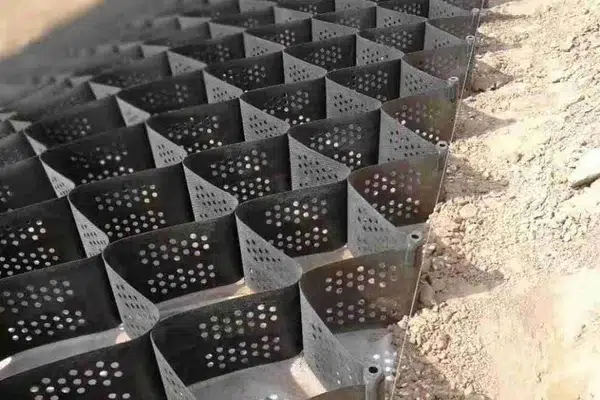
How Does Drainage Change the Selection?
Drainage can change a geocell recommendation because a weak wet formation, concentrated runoff, or trapped water beneath the confined layer can reduce stability before the cells deliver their intended function.
Buyers should explain whether the project includes a drainage blanket, geotextile separation layer, side drain, underdrain, or open outlet. The system needs a defined route for water, especially where the cells support aggregate over low-strength soil or form a slope surface.
At handover, compare the expanded-panel coverage, planned anchor accessories, roll or panel labels, and proposed infill with the approved drawing. This check helps prevent an apparently suitable panel from arriving without the details needed for the site sequence.
What Should Buyers Include in a Geocell RFQ?
A useful RFQ includes the application, site section, subgrade, traffic or slope condition, cell depth, infill, anchoring, panel size, quantity, destination, and requested documents.
State whether the project is a road, parking area, slope, erosion-control surface, or working platform. Add the expected construction sequence and drainage condition so the supplier can discuss HDPE geocell material options in context.
Buyers can also review soil reinforcement applications and use the technical RFQ form before order release. ASTM D4439 is useful for common terminology, while the final specification should follow the approved design. [3]
FAQs
Can geocell replace a road base?
No. It can support a designed base layer, but it does not replace aggregate quality, subgrade treatment, drainage, compaction, or the required pavement section.
How do buyers select geocell depth?
Cell depth should be matched to the intended infill layer, subgrade, traffic or slope condition, anchoring, and approved design rather than selected from a generic rule.
What must be confirmed before ordering?
Confirm application, section drawing, subgrade, infill, cell depth, panel dimensions, anchoring, coverage, quantity, destination, packaging, and required documents.
Conclusion
Geocell works as a confinement component inside a designed section. Confirm function, cell depth, infill, anchoring, drainage, coverage, and site method before comparing panel price.