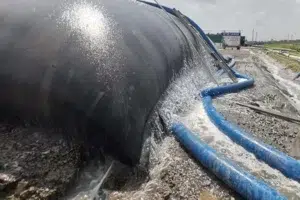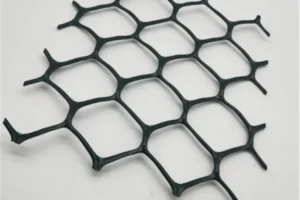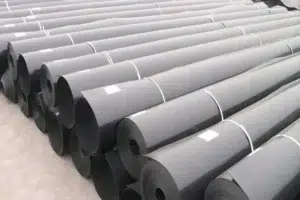
Geocell panels look similar when folded, but strip thickness, weld spacing, cell depth, and panel dimensions can produce very different site results.
Geocell material should be selected by HDPE strip properties, cell depth, weld spacing, panel size, infill, slope or traffic load, subgrade condition, and anchoring method. A deeper or thicker-looking panel is not automatically better unless it fits the confinement and installation requirements.
Before a purchase order is released, compare the section drawing, site condition, material function, performance basis, dimensions, installation method, packaging, delivery scope, and acceptance documents. This helps buyers confirm that quotations describe the same engineering system rather than products that merely share a similar name.
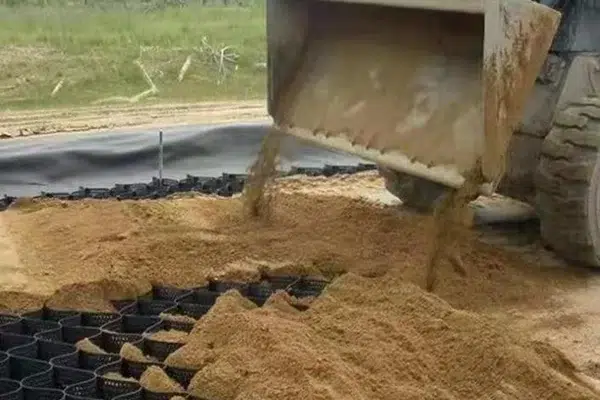
Send the cross section, traffic or slope condition, subgrade description, infill, cell depth preference, panel area, quantity, and delivery point for a focused RFQ checklist.
Request an HDPE geocell specification checkWhat HDPE Geocell Material Is Made Of
HDPE geocell is a cellular confinement system made from connected polymer strips that expand on site and confine infill inside individual cells. The panel works with the selected fill and prepared subgrade; it is not a standalone structural answer.
The available MJY product information identifies HDPE geocell options with cell heights from 50 to 250 mm and welding distances from 330 to 1,000 mm. These values describe available configurations. A project engineer should select the configuration from the required application, geometry, fill, and design loading rather than from a catalogue number alone.
Cell Depth Must Match the Confinement Job
Cell depth controls the available volume for infill confinement, so it should be matched to the layer thickness and expected deformation rather than selected simply because a deeper cell appears stronger. Shallow systems can fit some surface-protection or light-duty uses, while thicker aggregate layers may require more depth.
For a road base, the decision can depend on aggregate size, lift thickness, weak-subgrade behavior, traffic category, and construction method. For a slope, it can depend on slope angle, erosion exposure, infill type, vegetation plan, and anchoring. An arbitrary cell depth can create either insufficient confinement or a panel that is harder to fill and compact consistently.
| Specification | Why it matters | Project question |
|---|---|---|
| Cell depth | Sets infill confinement depth | What layer thickness and loading apply? |
| Weld spacing | Controls cell geometry | Does the layout fit the drawing and infill? |
| Strip thickness | Affects material handling and data review | What is the stated measurement basis? |
| Panel dimensions | Affects joints, cutting, and labor | Can crews expand and anchor it efficiently? |
| Infill | Works with the cells to carry load | What aggregate, soil, or concrete is specified? |
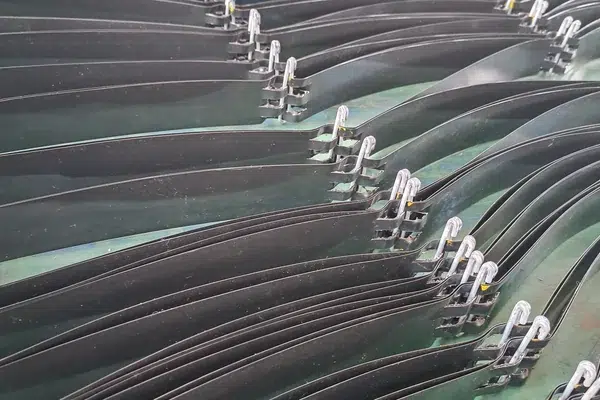
Weld Distance and Strip Consistency Matter
Weld spacing affects the cell geometry and the way a panel opens, while strip consistency and weld integrity affect handling during expansion and filling. Buyers should review the data sheet, specimen condition, and panel drawing instead of judging a folded panel by appearance alone.
QC Check: request the specified weld spacing, number of welds, strip thickness basis, panel dimensions when expanded, and the applicable test method for the product data. ASTM D8269 addresses tensile properties of geocells, but the stated test result must be read with the relevant material, direction, specimen, and test condition. [2] [3]
Infill and Subgrade Often Decide Performance
Geocell performance depends on aggregate confinement and support from the subgrade, so the selected infill and construction sequence matter as much as the panel itself. Poorly graded fill, wet weak soil, or rushed compaction can reduce the benefit expected from cellular confinement.
Expert Insight: a lower-priced panel can be false economy when its panel area, opening layout, or anchor points do not match the section drawing. Extra cutting, inconsistent cell opening, loose infill, or improvised anchoring can cause avoidable rework. The supply package should match the installation plan, not just the price per square meter.
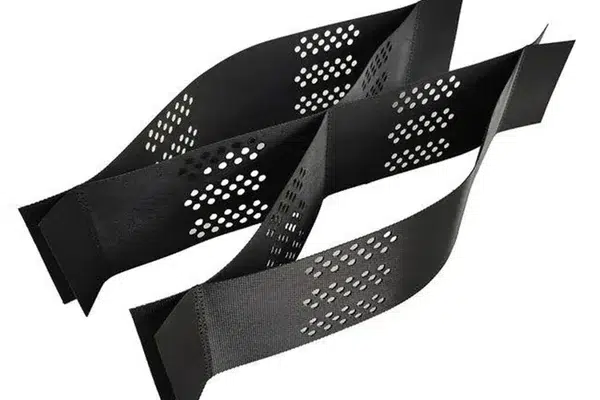
Road, Slope, and Load-Support Uses Need Different Checks
Road base stabilization, slope protection, parking areas, and channel or erosion-control applications use geocell differently, so the same material description should not be copied between projects. Each use has its own load, drainage, anchoring, and infill questions.
FHWA guidance describes geosynthetics within broader civil-engineering systems. For a road, confirm subgrade modulus or available soil information, aggregate, traffic, and compaction. For a slope, confirm inclination, face length, erosion exposure, anchor detail, and whether the cells will be filled with aggregate, topsoil, or concrete. [1] Also confirm the working width, access for placing and compacting fill, drainage path, and the transition between the confined layer and adjacent construction. For contractors, the practical question is whether a crew can open, pin, fill, and compact each panel without disturbing the prepared subgrade. A panel size that reduces joints in a drawing can be less useful if it cannot be handled safely at the site.
What to Include in a Geocell RFQ
Include application, section drawing, cell depth, weld spacing, strip thickness basis, panel dimensions, infill, subgrade, anchoring, quantity, packaging, and destination in the RFQ. This creates a technical comparison instead of a superficial price comparison.
Review MJY HDPE geocell material options, geocell product applications, and civil-engineering geosynthetic applications. Ask for a sample or panel drawing where the installation layout is important.
Conclusion
Specify geocell as a complete confinement system: material, depth, weld spacing, panel layout, infill, subgrade, and anchoring. That is the information a supplier needs to quote responsibly.
FAQs
What is the best cell depth for geocell?
There is no universal best depth. Match it to the designed layer thickness, loading, subgrade, infill, and installation method.
Why does geocell weld spacing matter?
It influences cell geometry, panel opening, and the layout used to confine the selected fill. It should match the section and installation plan.
Can geocell be used without aggregate?
Geocell may use different infills depending on the application, including aggregate, soil, vegetation media, or concrete. The fill must be selected with the design and site condition.