
Understanding Winter Construction Challenges and Geotextile’s Role
Can we really push forward with construction when the ground is frozen solid? This is the number one question I get when the temperature drops. The short answer is yes, but only if you understand what is happening beneath the surface. Winter construction isn’t just about battling the cold air; it’s about managing how geotextile fabric interacts with shifting, freezing soil.
Mechanisms of Frost Heave: Ice Lens and Soil Pumping
The real enemy here isn’t just frozen dirt; it’s the water trapped inside it. When moisture in the soil freezes, it doesn’t just sit there—it forms ice lenses. These lenses pull more water up from the water table through capillary action, expanding and pushing the soil upward.
This phenomenon, known as frost heave, can destroy foundations and roads before they are even finished. As the soil thaws and refreezes, “soil pumping” occurs, turning your subgrade into unstable mush. This is exactly where a frost heave prevention geotextile becomes non-negotiable.
How Geotextiles Function in Winter
In my experience, geotextiles are the unsung heroes of cold-weather projects. They don’t generate heat, but they manage the environment underground. Here is how geotextile fabrics work when the mercury drops:
- Separation: They prevent fine, frost-susceptible soils from mixing with your expensive aggregate base.
- Filtration & Drainage: A drainage geotextile frozen ground solution allows water to pass through freely, preventing it from pooling and freezing into damaging ice lenses.
- Reinforcement: They add tensile strength to the soil, holding everything together even when the ground shifts.
Impact of Sub-Zero Temperatures on Flexibility
We have to be real about material science here. Most geotextiles are made of polymers (like polypropylene or polyester). When you are dealing with geotextile in subzero temperatures, the material properties change.
The cold increases stiffness and reduces flexibility. If you use a cheap, low-quality fabric, it becomes brittle. Under the stress of heavy machinery or shifting frozen ground, inferior fabric can snap rather than stretch. That is why understanding the relationship between cold weather and material stiffness is critical for ensuring long-term soil stabilization winter construction.
Next Step: Would you like me to detail the specific differences between woven and nonwoven fabrics for winter applications?
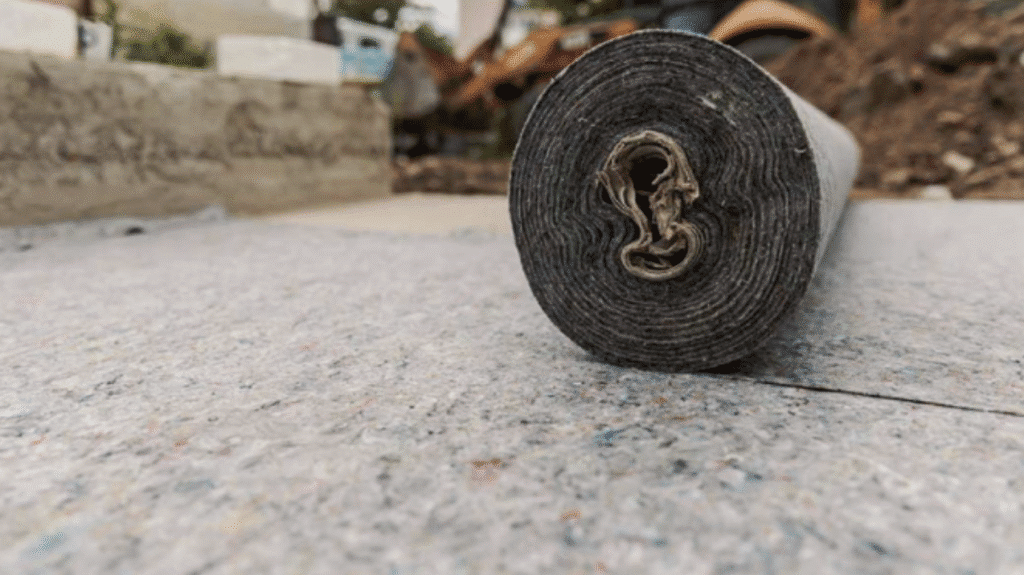
Are All Geotextiles Suitable for Winter? Types and Recommendations
Not every geotextile fabric is built to handle the brutality of a North American winter. When the ground freezes, the soil mechanics change completely, and using the wrong material can lead to catastrophic failure, such as cracking roads or clogged drainage systems. To get the best results, you need to match the specific fabric type to the environmental demands of your site.
Comparing Woven vs. Nonwoven Geotextiles in Cold Environments
The debate of woven vs nonwoven winter use really comes down to what you are trying to achieve: reinforcement or drainage. In cold climates, water is the enemy. If water gets trapped and freezes, it expands, causing frost heave.
- Woven Geotextiles: These are your go-to for winter road subgrade stabilization. They provide high tensile strength, which is crucial when bridging over soft, wet subgrades that are essentially frozen mud. They are excellent for separation but generally offer lower permittivity (water flow).
- Nonwoven Geotextiles: If your main goal is preventing ice lenses through drainage, you need a nonwoven geotextile cold weather solution. Their felt-like structure allows water to pass through freely, preventing hydrostatic pressure buildup under frozen layers.
Here is a quick breakdown of how they perform in the cold:
| Feature | Woven Geotextile | Nonwoven Geotextile |
|---|---|---|
| Primary Winter Function | Reinforcement & Stabilization | Filtration & Drainage |
| Water Permeability | Moderate to Low | High (Critical for freeze-thaw) |
| Puncture Resistance | High | Moderate to High (Weight dependent) |
| Best For | Frozen road bases, driveways | French drains, frost heave prevention |

Frost-Protection Variants: PP vs. PET Materials
When temperatures plummet, standard plastics can snap like glass. That is why frost protection geotextile fabric is typically engineered from high-quality Polypropylene (PP) or Polyester (PET).
These materials are chosen for their geotextile thermal insulation properties relative to flexibility. They do not provide heat, but they maintain their structural integrity in subzero temperatures. A cheap, recycled blend might turn brittle and crack under the weight of a compactor in January, while virgin PP/PET retains enough elasticity to withstand installation stress without tearing.
Key Specs to Check for Winter Projects
Before you order, you need to verify the technical data sheet. Standard specs are fine for summer, but winter demands higher performance in specific areas to ensure geotextile freeze-thaw durability.
When sourcing high-quality geotextiles for winter work, pay attention to these critical ASTM/ISO standards:
- Puncture Resistance (ASTM D4833/D6241): Frozen ground is jagged and hard. Your fabric must resist being punctured by ice chunks or frozen aggregate during backfilling.
- Permittivity (ASTM D4491): This measures how fast water passes through the fabric. In winter, you need high permittivity to ensure water moves away from the structure before it freezes.
- Apparent Opening Size (AOS): This determines filtration. It needs to be sized correctly to hold back soil particles while letting water pass, preventing the clogging that leads to cold weather geotextile brittleness and failure.
Choosing the right geotextile fabric now prevents expensive repairs when the spring thaw hits. Always prioritize materials tested for freeze-thaw cycle geotextile performance.
Proven Benefits of Geotextiles in Winter Construction
When we tackle construction projects in the dead of winter, the environment fights back. Using geotextile fabrics isn’t just about meeting a spec; it is a strategic move to ensure the longevity of the infrastructure. I’ve seen firsthand how the right geosynthetics can save a project from failure during the spring thaw.
Mitigating Frost Heave with Geotextiles
The biggest enemy in cold climates is frost heave. This occurs when ice lenses form in the soil, pushing the ground upward and cracking pavements or foundations.
A high-quality non woven geotextile fabric creates a critical capillary break. By stopping moisture from wicking up into the frost zone, we effectively starve the ice lenses. This frost heave prevention geotextile function is essential for maintaining the integrity of roads and railways.
Soil Stabilization for Winter Construction
Frozen ground might seem stable, but it is deceptive. Once the freeze-thaw cycle geotextile performance is tested, untreated subgrades turn to mush.
For winter road subgrade stabilization, placing a separation layer prevents the expensive aggregate from sinking into the soft, wet subsoil during thaw periods. This separation ensures that the load-bearing capacity of the road remains high, even when the ground conditions fluctuate.
Why Geotextiles are Critical in Cold Climates:
| Winter Challenge | Geotextile Solution |
|---|---|
| Ice Lens Formation | Acts as a capillary break to stop upward water movement. |
| Subgrade Mixing | Provides separation so aggregate doesn’t sink into thawing mud. |
| Surface Cracking | Distributes load evenly to reduce stress concentrations. |
| Drainage Blockage | Maintains flow paths even under heavy snow and ice load. |
Durability and Freeze-Thaw Resistance
Not all materials can handle the cold, but engineered geotextiles are built to resist cold weather geotextile brittleness. Premium polypropylene (PP) and polyester (PET) fibers maintain their flexibility and strength even in sub-zero temperatures.
Unlike rigid materials that might snap, these fabrics endure repeated temperature fluctuations without degrading. To ensure you are getting materials that can withstand these harsh conditions, identifying the best suppliers for building and civil engineering materials is the first step in securing your project’s long-term success.
By integrating these materials, we ensure geotextile road construction cold climate projects survive not just the installation, but years of harsh winter cycles.
Would you like me to detail the specific installation protocols for handling these fabrics in snow-covered conditions next?
Best Practices for Winter Geotextile Installation
Installing geotextile fabric in sub-zero temperatures requires a different approach than summer construction. The material behaves differently, and the ground conditions can be unforgiving. To ensure the longevity of your project and prevent geotextile freeze-thaw durability issues, strict adherence to cold-weather protocols is essential.
Site Preparation on Frozen Ground
You cannot simply roll fabric over snow or ice. If you lay geotextile non woven fabric over a snow layer, that snow will eventually melt, creating voids and causing the overlaying structure to settle or collapse.
- Clear the Subgrade: Remove all snow, ice, and frozen standing water relative to the design grade.
- Smooth Surface: Frozen ruts can be sharp. Grade the surface to prevent puncturing the geotextiles from underneath.
- Compaction: Ensure the subgrade is compacted before freezing if possible; otherwise, use heavy machinery to proof-roll the frozen surface to identify weak spots.
Handling and Storage Tips
Cold weather increases the stiffness of polymer-based materials. While our products are durable, extreme cold can induce cold weather geotextile brittleness if mishandled.
- Elevated Storage: Keep rolls off the frozen ground using pallets to prevent them from freezing to the earth.
- Keep Wrapped: Leave the protective wrapping on until the moment of installation to keep the geotextile fabrics dry and free of ice crystals.
- Gentle Handling: Avoid dropping rolls from heights (like off a truck bed) when it is extremely cold, as the impact shock can damage the fibers. Understanding the specific handling requirements and what is the purpose of woven geotextile fabric versus nonwoven options can save you headaches when temperatures drop.
Securement and Anchoring
Standard U-pins often bend when hammered into frozen ground. You need to adapt your anchoring strategy to ensure the fabric stays taut during winter geotextile installation.
- Pre-Drilling: In deep freeze conditions, use a masonry drill bit to create pilot holes for anchor pins.
- Heavier Ballast: If pins are failing, use sandbags or piles of aggregate to weigh down edges immediately.
- Thermal Contraction: Plastic contracts in the cold. Lay the geotextile slightly looser than usual to prevent it from snapping or bridging tightly over depressions when the temperature drops further.
Managing Wind and Snow
Winter often brings high winds and sudden snowfall. Geotextile fabrics act like sails if not secured immediately.
- Backfill Immediately: Do not leave large sections of fabric exposed overnight. Place cover material (aggregate) as you go to lock the fabric in place.
- Snow Management: If it snows on the exposed fabric, do not use metal blades to scrape it off, as you will tear the material. Use rubber-edged blades or brooms, or wait for it to melt if the schedule allows.
Would you like me to detail the specific maintenance checks required for geotextiles after the first spring thaw?
Potential Risks and How to Avoid Them
Winter construction isn’t for the faint of heart, and neither is the material selection process. If you aren’t careful, the extreme cold can compromise the integrity of your geotextile fabric. Here is what you need to watch out for to ensure your project stands the test of time.
Identifying Brittleness and Drainage Failures
The most immediate risk is cold weather geotextile brittleness. When the mercury drops, some lower-quality polymers lose their flexibility. If you handle these rolls roughly or drive over them on an uneven subgrade, they can crack or tear. A torn geotextile is useless for separation or reinforcement.
Furthermore, inadequate flow rates can be disastrous. If your fabric clogs or doesn’t allow enough flow, water gets trapped in the subbase. In winter, that water freezes, leading to dangerous ice buildup. You need a specific drainage geotextile frozen ground conditions won’t defeat to prevent this.
Preventing Freeze-Thaw Degradation
It is not just about the installation day; it is about next year and the year after. Freeze-thaw cycle geotextile performance is critical. Cheap, recycled blends often degrade faster when subjected to the repeated expansion and contraction of freezing soil, leading to structural failure.
To mitigate these risks:
- Select Virgin Resins: Use high-quality non woven geotextile fabric made from virgin polypropylene or polyester, which retain better flexibility in subzero temps.
- Check Permittivity: Ensure the hydraulic flow rate exceeds the expected meltwater volume to stop ice lenses from forming.
- Professional Installation: Follow strict protocols. Unroll materials smoothly without dragging them over sharp, frozen debris.
For projects demanding superior structural integrity alongside filtration, knowing how to install geogrid variants in combination with your fabric can further stabilize the subgrade against shifting frozen soils.
Would you like me to write the final section comparing specific “MJY Geotextiles” specs for winter projects?
Why Choose MJY Geotextiles for Winter Projects
When the ground freezes and construction windows shrink, you need materials that won’t fail under pressure. At MJY, we don’t just sell fabric; we engineer solutions specifically for harsh environments. Whether you are dealing with sub-zero road stabilization or drainage in frozen soils, our geotextile fabric is built to perform where standard generic brands turn brittle and crack.
We manufacture both nonwoven geotextile cold weather grades and heavy-duty woven options to suit your specific site conditions. Understanding the nuances of woven vs nonwoven winter use is critical for project success, and our team helps you match the right specifications to your load requirements. For projects requiring distinct barrier properties, understanding the difference between a geomembrane vs geotextile is vital, and we offer the expertise to guide those decisions.
engineered for Reliability and Compliance
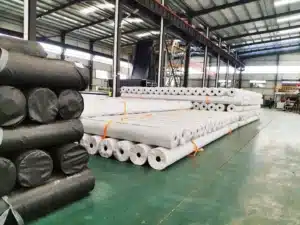
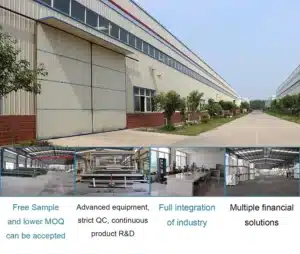
We control every step of the production process to ensure consistency. Our facilities utilize advanced manufacturing technology backed by strict quality control protocols.
- Certified Quality: All products meet rigorous ISO and RoHS standards.
- Customization: We can tailor roll dimensions and tensile strengths to meet specific cold-climate project needs.
- Durability: Our fabrics are tested for puncture resistance and freeze-thaw durability to ensure long-term stability.

 English
  Spanish
  Arabic