When inquiring about pricing, many buyers focus first and foremost on the unit price of geocells per square meter. This may sound simple, but if factors such as product thickness, cell height, weld strength, resin quality, and specific engineering applications vary, comparing products based solely on the unit price often leads to misjudgment.
The price of geocells per square meter is primarily influenced by factors such as raw materials, sheet thickness, cell height, weld spacing, surface texture, perforation status, order quantity, packaging method, and shipping costs. If the product specifications do not align with the specific requirements of a road, slope, retaining wall, or soil and water conservation project, then a seemingly lower price may not, in reality, represent a more cost-effective solution.

Before comparing quotations, I usually suggest buyers confirm the project first. A geocell for a light slope project and a geocell for heavy road base reinforcement should not be judged by the same square-meter price only.
Why Is Geocell Price Per Square Meter Not A Simple Number?
Price looks simple when it appears on a quotation sheet. But geocell price per square meter only makes sense when every technical detail is the same.
Geocell price per square meter depends on specification, material quality, production control, and project requirement. Buyers should compare price only after confirming thickness, cell height, weld spacing, surface type, perforation, and raw material.
The same square meter can mean different products
A square meter of geocell is not always equal to another square meter of geocell. One supplier may quote 1.2mm sheet thickness, while another may quote 1.5mm. One may use a higher cell height, while another may use a lower height. One may include perforation, texture, and UV resistance, while another may only offer a basic smooth sheet.
This is why price comparison can become misleading. A buyer may think one supplier is cheaper. But in reality, the supplier may be quoting a lighter product with weaker performance.
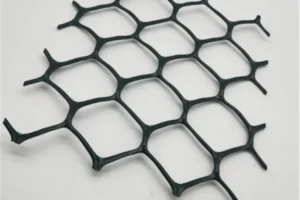
Geocell is a cellular confinement system. It is expanded on site to form a honeycomb structure and then filled with soil, gravel, sand, or concrete. This structure helps reduce lateral movement of fill material and improves load distribution in different civil engineering applications. You can see a basic technical explanation of cellular confinement systems[^1] from a neutral reference.
Price should follow application
The project decides the specification. The specification decides the cost.
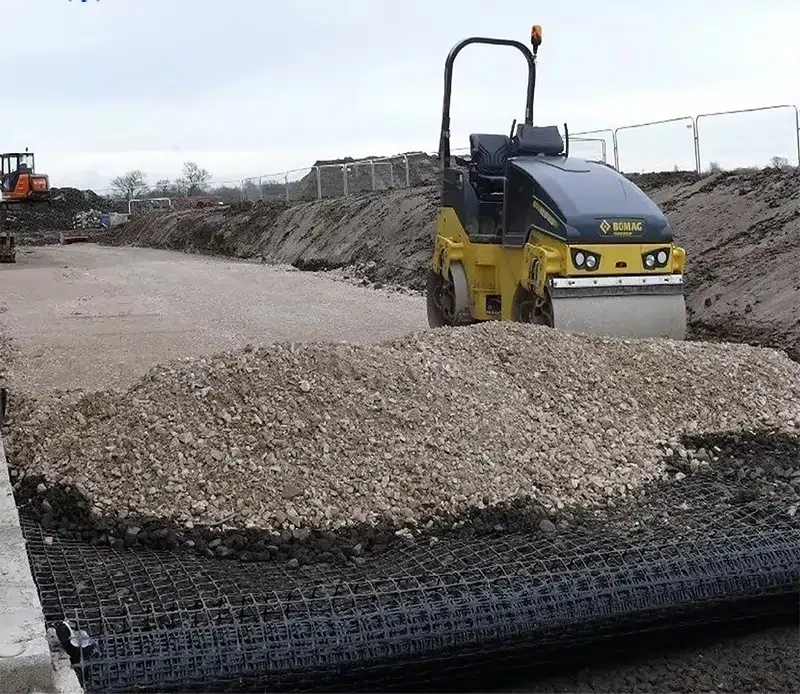
For road base reinforcement, buyers usually need stronger confinement, stable welds, and suitable cell height. For slope protection, drainage, surface friction, and anchoring may become more important. For retaining wall projects, weld strength and long-term stability should be checked more carefully.
This is why I do not suggest asking only, “What is your geocell price per square meter?” A better question is:
“This is my project condition. What geocell specification do you recommend, and what is the price per square meter for that specification?”
That question gives the factory enough information to quote correctly.
| Price Factor | Why It Affects Cost | Factory-Side Judgment |
|---|---|---|
| Raw Material | Different resin quality changes cost and durability | Check HDPE / PP quality before comparing price |
| Sheet Thickness | More material is used in thicker sheets | Compare measured thickness, not only nominal thickness |
| Cell Height | Higher cells use more strip material | Match height to road, slope, or wall application |
| Weld Spacing | Changes cell size and material use | Match spacing to infill and load need |
| Perforation | Adds processing cost | Use it when drainage or soil interaction needs it |
| Surface Texture | Adds production process | Use it when friction with infill matters |
For buyers who need standard or customized geocell specifications, it is better to review the product page first, such as MJY Geocell product options, before asking for the final price.
How Does Raw Material Affect Geocell Price?
Raw material is one of the biggest cost factors. It also decides the base quality of the geocell sheet.
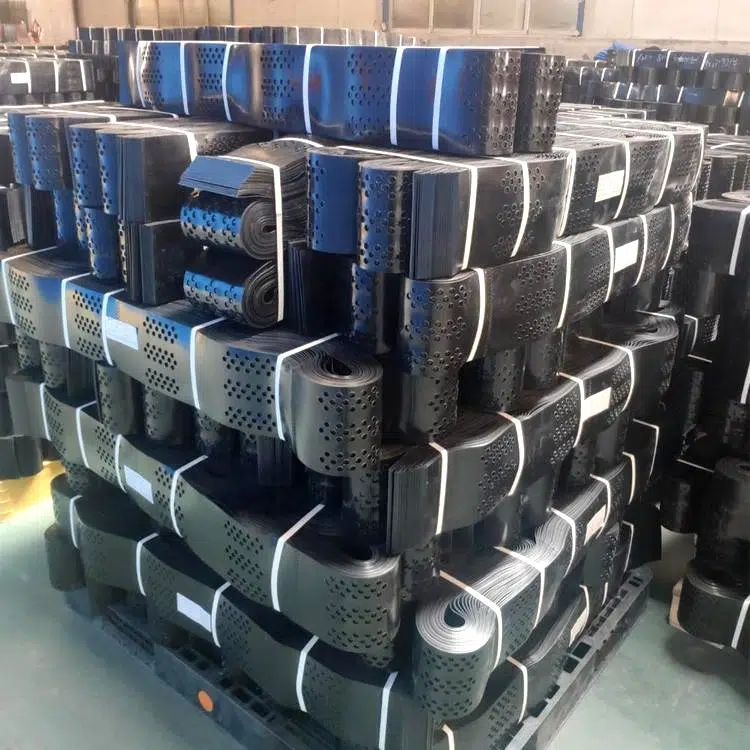
Geocell made with stable HDPE or PP material usually costs more than low-grade recycled material. But better resin quality can improve flexibility, weld stability, UV resistance, and long-term engineering performance.
HDPE quality changes the real value
Many buyers ask whether the geocell is HDPE. That is a good start, but it is not enough.
Not all HDPE material performs the same. Resin grade, recycled content, anti-aging additives, and production consistency all affect final performance. A low-cost sheet may look acceptable at first. But it may crack more easily, lose flexibility, or age faster under sunlight and temperature change.
When I review a geocell quotation, I do not only check the material name. I check whether the supplier can explain the resin quality and the project use. If the supplier only says “HDPE geocell” but cannot explain performance differences, the quotation still has risk.
Recycled material can reduce price
Some projects use recycled material to reduce cost. This may be acceptable for temporary or low-load applications. But for road bases, retaining walls, slopes, and long-term infrastructure, buyers should be more careful.
Low-grade recycled material may reduce tensile strength, sheet consistency, and weld stability. These problems may not show during loading into the container. They may appear after expansion, filling, compaction, or outdoor exposure.
A low price caused by poor resin quality is not a real saving. It is only a delayed cost.
Additives also affect price
UV resistance and anti-aging additives increase material cost. But they are important for projects where panels may be exposed before or during installation.
Some buyers assume geocell will be buried quickly. In real projects, material may stay outside for days or weeks before full installation. In hot, sunny, or high-altitude areas, weak UV resistance can damage the sheet faster.
Geocell belongs to the wider family of geosynthetics[^2], which are polymeric materials used in civil, geotechnical, transportation, hydraulic, and environmental applications. This is why polymer quality matters so much in long-term projects.
| Raw Material Choice | Price Level | Project Risk |
|---|---|---|
| Low-grade recycled material | Lower | Higher risk of weak performance and aging |
| Mixed recycled material | Medium-low | Depends on source and quality control |
| Stable HDPE material | Medium | Better for normal engineering projects |
| HDPE with UV additives | Higher | Better for exposed or long-term use |
| Project-specific formulation | Higher | Better when performance requirement is clear |
If the project needs stronger and more stable HDPE geocell, buyers can compare detailed options on the HDPE Geocell page.
How Do Thickness, Cell Height, And Weld Spacing Change The Cost?
Thickness, cell height, and weld spacing are not small specification details. They directly change material consumption, production cost, shipping weight, and field performance.
Geocell with greater sheet thickness, higher cell height, or closer weld spacing usually costs more because it uses more material and needs stricter production control. But the correct specification should be based on project load, soil condition, and application.
Sheet thickness changes material consumption
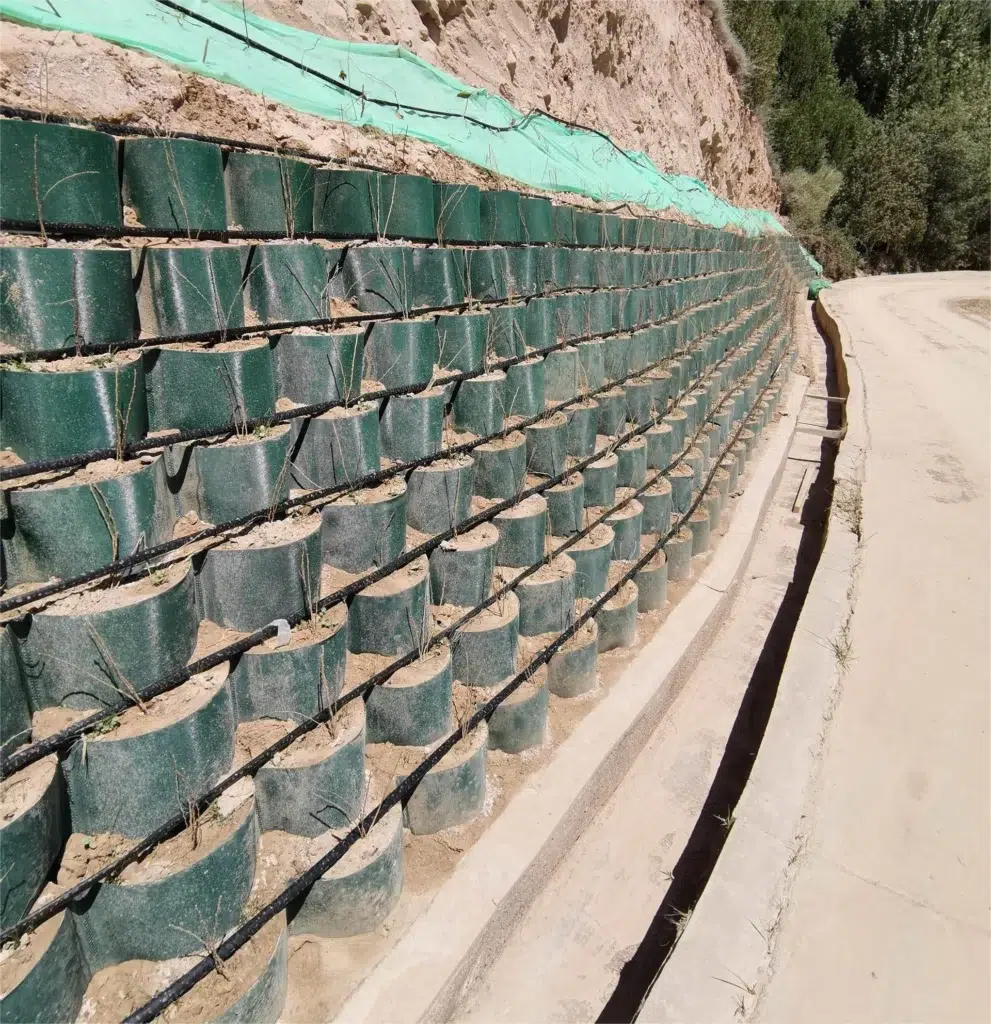
Sheet thickness is one of the most direct cost factors. A 1.5mm sheet uses more material than a 1.2mm sheet. The roll becomes heavier. The production cost and shipping cost may also increase.
But thicker is not always better. If the project is light slope protection, an oversized thickness may waste budget. If the project is a heavy road base, a thin sheet may reduce performance.
The correct choice is not the cheapest thickness or the thickest thickness. The correct choice is the thickness that fits the project.
Cell height changes confinement ability
Cell height affects how much infill material the geocell can hold and confine. Higher cells usually provide stronger confinement and better stabilization. They also use more sheet material, so the price per square meter increases.
For weak subgrade, road construction, and higher load projects, cell height is important. For erosion control or light slope surface protection, lower height may be enough if the design supports it.
If a buyer compares a 50mm height with a 100mm height only by price, the comparison is wrong. These are different products for different load and confinement needs.
Weld spacing changes cell size
Weld spacing affects the final cell opening after expansion. Smaller spacing may create a different cell structure and use material differently. Larger spacing may reduce material use but may not fit every infill or load condition.
This is important when buyers use gravel, sand, soil, or concrete as filling material. The cell opening must match the project and infill behavior. If it does not match, the geocell may not provide the expected confinement effect.
| Specification | Cost Impact | Correct Buying Logic |
|---|---|---|
| Thicker Sheet | Higher material and weight cost | Use when load or durability requires it |
| Higher Cell Height | Higher strip material cost | Use when stronger confinement is needed |
| Closer Weld Spacing | May increase material and processing cost | Match cell size to infill and application |
| Textured Surface | Higher processing cost | Use when friction is important |
| Perforation | Higher processing cost | Use when drainage or root interaction matters |
| Larger Panel Size | May affect packing and handling | Match to site installation efficiency |
For buyers who also use other reinforcement materials in the same project, it may help to compare geocell with geogrid reinforcement materials to decide which structure fits the design better.
Why Does Weld Strength Affect Geocell Cost?
Weld strength is one of the most important quality points in geocell production. It is also one reason two similar-looking products can have different prices.
Better weld strength usually requires stable sheet quality, proper welding temperature, controlled pressure, accurate welding time, and factory inspection. Weak welds may reduce cost, but they increase the risk of cell separation during installation or use.
Geocell works through welded strips
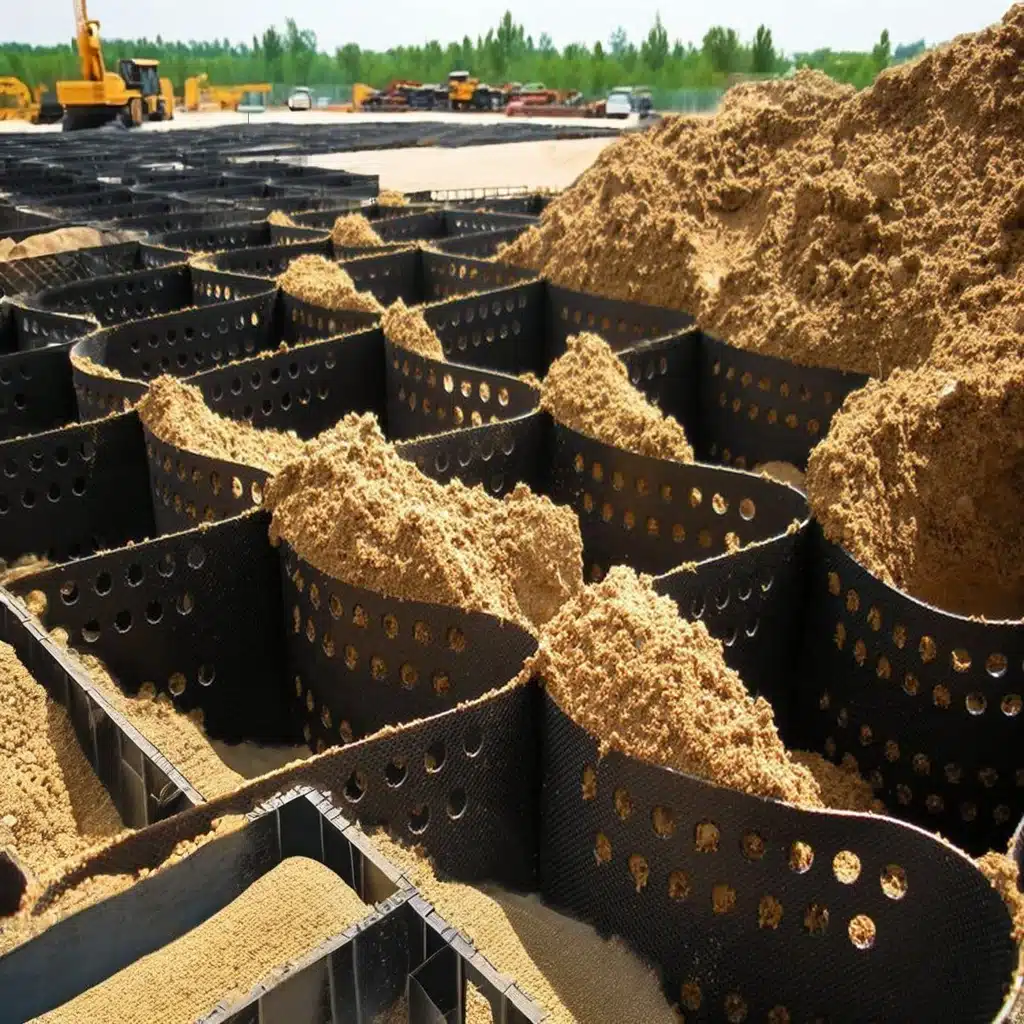
Geocell is made from polymer strips welded together. After expansion, these welded strips form a three-dimensional honeycomb system.
The weld points are not decoration. They hold the whole structure together. During installation, workers expand the panel and fix it to the ground. During service, the infill material, traffic load, slope pressure, or water flow can all create stress inside the cell structure.
If weld strength is weak, the panel may open at the joint. When that happens, the geocell cannot confine the fill material properly.
Better welding needs better production control
A factory can reduce cost by reducing inspection or using unstable sheet material. But that also increases weld risk.
Good welding depends on sheet quality, temperature, pressure, welding time, and operator control. If the sheet thickness is not stable, the weld may not be stable. If the welding process is rushed, the joint may look acceptable but fail under tension.
This is why price alone cannot prove value. A higher price may include better welding control. A lower price may remove that control.
Buyers should ask about weld strength
For simple projects, buyers may not need a complex test report every time. But they should still ask how the factory controls weld quality. For larger projects, weld strength data, samples, and batch inspection are worth checking.
If a supplier cannot explain weld strength, the buyer should not treat the quotation as equal to a professional factory quotation.
| Weld Quality Point | Why It Matters | Cost Connection |
|---|---|---|
| Sheet Stability | Helps create stable weld joints | Better material may increase cost |
| Welding Temperature | Affects joint bonding | Controlled production needs better process |
| Welding Pressure | Affects weld consistency | Poor control can create weak joints |
| Weld Spacing Accuracy | Affects final cell size | Accurate production reduces installation problems |
| Inspection | Reduces batch risk | Adds quality control cost |
| Sample Testing | Helps confirm performance | Adds time but reduces buyer risk |
A professional buyer should not ask only for the lowest geocell price per square meter. A better request is to ask the factory to quote the right specification and explain weld quality based on the project use.
How Do Order Quantity, Packing, And Shipping Affect Geocell Price?
The factory price is only one part of the final cost. Order quantity, packing method, container loading, and shipping route also affect the landed cost.
Larger geocell orders usually reduce unit production and packing cost. But final cost per square meter also depends on roll size, loading efficiency, packaging, destination port, shipping method, and export documents.
Larger quantity can reduce unit cost
In factory production, small orders often have higher unit cost. The factory still needs to prepare material, set up production, arrange labor, inspect goods, and pack the order.
Large orders can spread these costs across more square meters. This can reduce unit price. It can also make custom specification more practical.
But buyers should not increase quantity only to chase a lower price. The specification still needs to be correct. A large order with the wrong thickness or cell height is only a larger mistake.
Packing affects real cost
Geocell is usually folded and packed for transport. Packing size affects container loading and handling. If packing is loose or inefficient, the buyer may pay more freight per square meter.
Strong packing also matters for export orders. Poor packing can cause damage, confusion during unloading, or difficulty checking product information after arrival.
A reliable factory should provide packing details before shipment. This includes roll or bundle size, weight, quantity per package, and container loading estimate.
Shipping changes the landed price
Many buyers compare factory unit price but forget freight. For overseas buyers, shipping can change the final cost a lot.
Destination country, port, container availability, freight season, and order volume all affect final landed cost. If the buyer needs urgent delivery, cost may increase. If the buyer can plan earlier, the shipping arrangement may be more stable.
For buyers who promote products through social platforms, it can also help to show installation or application examples. Platforms like TikTok construction videos[^3] and Facebook geocell application posts[^4] can be used for market education, but buyers should still verify technical details with the factory.
| Cost Area | What Affects It | Buyer Should Confirm |
|---|---|---|
| Order Quantity | Production setup and material purchase | MOQ and price breaks |
| Packing | Roll size, bundle size, protection | Packing method and label details |
| Container Loading | Volume and weight efficiency | Loading quantity per container |
| Shipping | Destination and freight market | FOB, CIF, or other trade terms |
| Documents | Export and customs needs | Invoice, packing list, certificate if required |
| Delivery Time | Production schedule and vessel space | Lead time before placing order |
For export buyers, price should be calculated as landed cost, not only factory price. A cheaper factory quotation may not be cheaper after packing and shipping are added.
How Can Buyers Get A More Accurate Geocell Quotation?
A clear inquiry helps the factory quote accurately. A vague inquiry usually leads to a vague price.
To get an accurate geocell quotation, buyers should provide application, material requirement, sheet thickness, cell height, weld spacing, surface type, perforation need, quantity, destination port, and packing requirement.
Start with project use
The first detail should be application. Is the geocell used for road base, slope protection, retaining wall, channel protection, erosion control, or temporary access road?
Each use has different priorities. Road projects care more about load support and confinement. Slope projects care more about soil retention, drainage, anchoring, and erosion control. Retaining wall projects need stronger attention to stability and design support.
When the factory knows the application, the quotation becomes more useful.
Provide technical details
If the buyer has drawings or specifications, they should send them. If not, the buyer should at least provide basic details.
A useful inquiry should include:
- Material: HDPE or PP
- Sheet thickness
- Cell height
- Weld spacing
- Surface: smooth or textured
- Perforation: yes or no
- Expanded panel size
- Quantity
- Destination port
- Project application
This information helps the factory avoid quoting the wrong product.
Ask for more than price
A professional buyer should ask for specification confirmation, packing details, production time, and export terms. If the order is important, sample confirmation may also be useful.
A supplier that only gives a price without asking questions may not be the best choice for project-based purchasing. A reliable factory should help check whether the requested specification fits the application.
| Buyer Provides | Why It Helps | Factory Can Confirm |
|---|---|---|
| Project Application | Defines product requirement | Suitable geocell type |
| Thickness | Affects strength and cost | Material consumption and price |
| Cell Height | Affects confinement | Correct project matching |
| Weld Spacing | Affects cell opening | Infill compatibility |
| Quantity | Affects unit price | Production and MOQ |
| Destination Port | Affects landed cost | Freight estimate and trade term |
| Packing Need | Affects loading | Roll or bundle plan |
A better inquiry saves time for both sides. It also helps buyers compare suppliers on the same basis.
My View
When I review geocell price per square meter, I do not treat price as the first decision point. I treat price as the final result of material, thickness, cell height, weld quality, packing, and project requirement.
The biggest mistake is comparing quotations without comparing specifications. If one supplier quotes thinner material, lower cell height, weak welding, and basic packing, the price will look better. But that does not mean the order is better.
For serious buyers, the right question is not “Who is the cheapest?” The right question is “Which factory can give me the correct specification at a fair factory price?”
A reliable geocell supplier should explain why the price changes. It should help buyers understand material cost, production cost, quality control cost, and shipping cost. If the supplier cannot explain these details, the quotation may not be safe for project-based purchasing.
My direct suggestion is simple: compare specification first, then compare price. This is the safest way to control cost and reduce engineering risk.
Conclusion
Geocell price per square meter depends on material, thickness, cell height, weld strength, order quantity, packing, and shipping. A low price only has value when the specification fits the project.
Footnotes
[^1]: This Wikipedia page is used to support the basic definition of cellular confinement systems, also known as geocells, and their common engineering applications.
[^2]: This Wikipedia page is used to support the broader technical background of geosynthetics as polymeric materials used in civil and geotechnical engineering applications.
[^3]: This TikTok search page is included as a social media reference where buyers can explore geocell installation and field application videos. Technical details should still be verified with the supplier.
[^4]: This Facebook search page is included as a social media reference for geocell application discussions and posts. Buyers should use it for market observation, not final technical confirmation.