Weak soil, slope erosion, and unstable road bases often lead to higher repair costs. Geocell helps control these problems with cellular confinement.
Geocell is mainly used for base stabilization, slope protection, channel erosion control, and retaining wall construction. It confines infill material, reduces lateral movement, improves load distribution, and helps create a more stable surface for roads, slopes, drainage channels, and earth-retaining structures.

A buyer should not choose geocell as one general plastic grid. The project condition should decide cell height, weld strength, infill material, surface type, and installation method.
What Is a Geocell Cellular Confinement System?
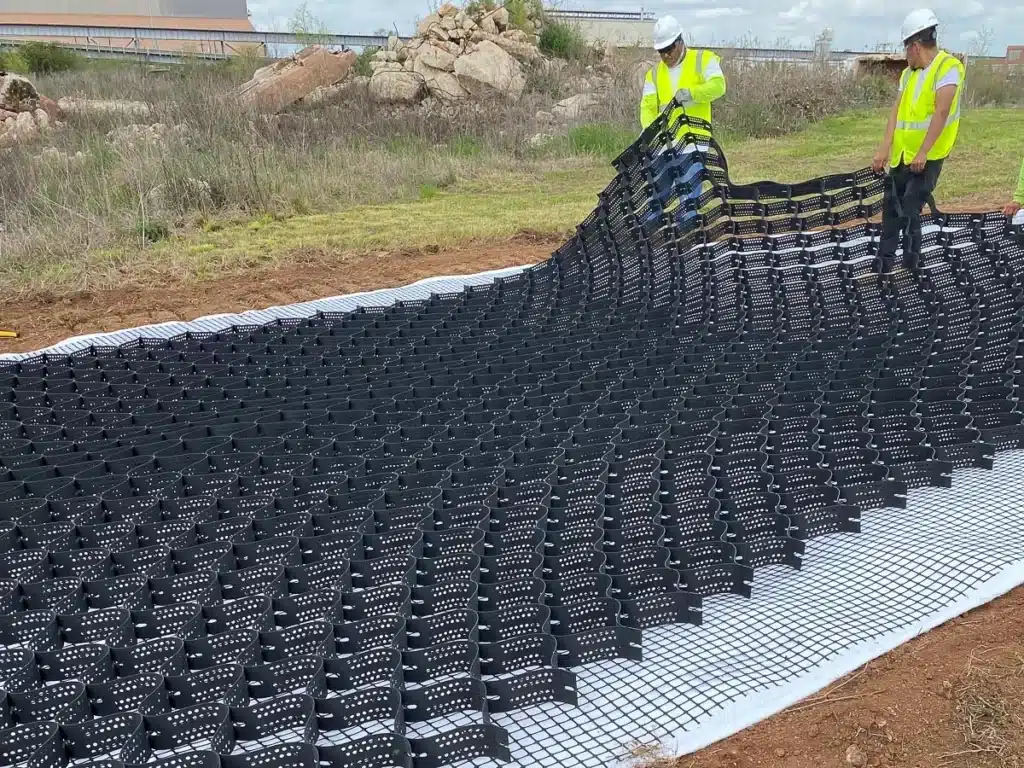
Many buyers see the honeycomb shape first. The real value is how that shape controls soil and aggregate movement.
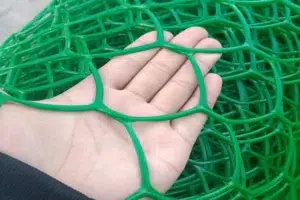
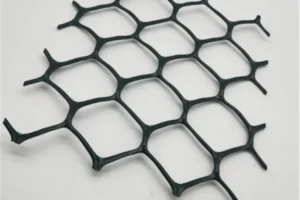
A geocell cellular confinement system is a three-dimensional honeycomb structure made from welded polymer strips. It is expanded on site and filled with soil, gravel, sand, rock, or concrete to create a confined support layer.
Most civil engineering geocells are made from HDPE because the material supports outdoor use, welding, and field handling. The main specifications include cell depth, weld spacing, sheet thickness, perforation, surface texture, and panel size.
Cellular confinement systems are used to improve load support, soil stabilization, slope protection, channel protection, and earth retention. [1]
For project buyers, the key is not only material name. A good geocell must have stable welds, suitable cell size, correct height, and enough durability for the site.
How Does Geocell Work in Soil Stabilization?
Loose soil and aggregate can move sideways under load. This movement causes rutting, settlement, and surface failure.
Geocell works by confining infill inside each cell. The cell walls reduce lateral movement, improve load distribution, and help the filled layer act as a stronger support platform over weak ground.
This is why geocell is often used over soft subgrade, poor soil, and road bases that need better support. The system can work with gravel, soil, sand, angular rock, or concrete.
The final result depends on installation quality. The base should be prepared. The panel should be expanded correctly. The infill should be compacted well.
| Ground Problem | How Geocell Helps |
|---|---|
| Soft soil | Spreads load over a wider area |
| Rutting | Holds aggregate inside cells |
| Settlement | Improves base support |
| Erosion | Keeps surface material in place |
How Is Geocell Used for Base Stabilization?
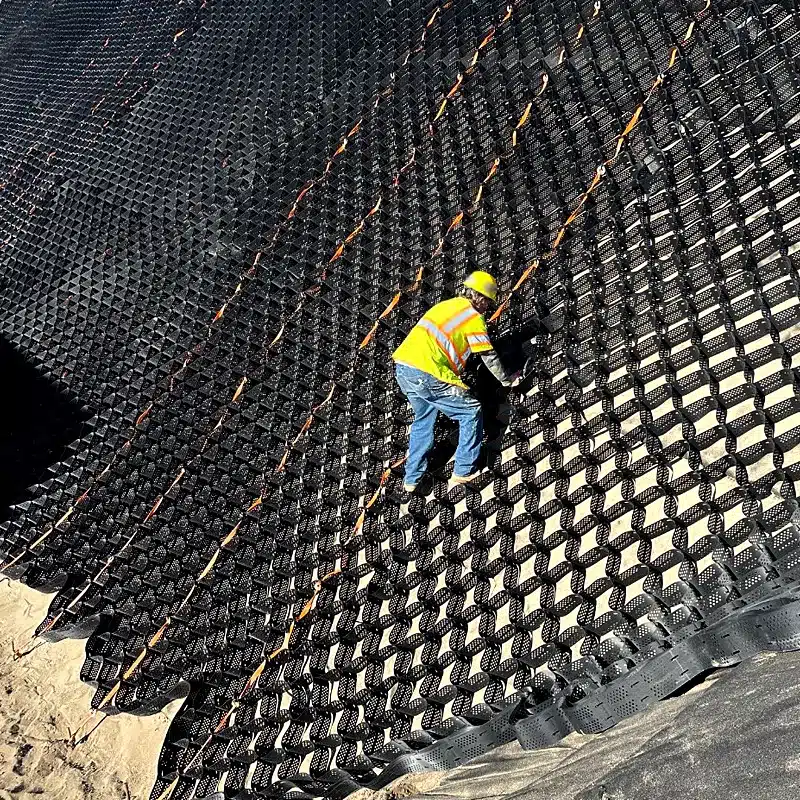
Road bases often fail when aggregate spreads under traffic. Geocell helps hold the base layer in shape.
Geocell is used for base stabilization in soft soil roads, access roads, mine roads, temporary construction roads, parking areas, and paved or unpaved surfaces. It confines aggregate and helps reduce rutting and settlement.
For road projects, buyers should check cell height, weld strength, sheet thickness, aggregate size, and compaction method. A temporary access road may not need the same grade as a mine haul road.
ASTM D8269-21 covers basic considerations for geocell use in geotechnical and roadway projects, including pavement load support, subgrade improvement, slope stability, retaining walls, and channel protection. [2]
Buyers can review suitable geocell product specifications before comparing square-meter price.
How Is Geocell Used for Slope Protection?
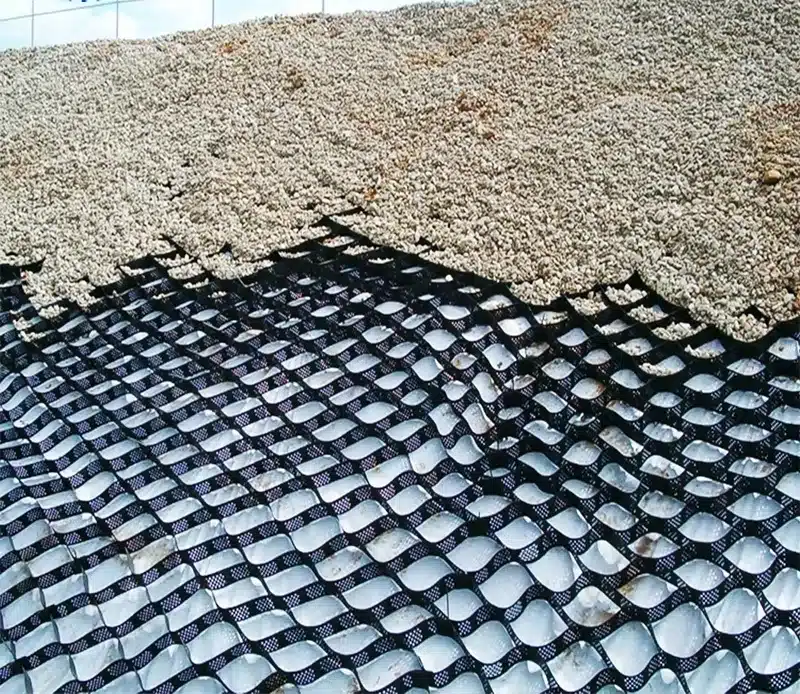
Slope surfaces lose soil when rain, runoff, and gravity pull material downward. Geocell helps hold the surface layer.
Geocell is used for slope protection by confining soil, gravel, or concrete on the slope face. It helps reduce erosion, support vegetation, and improve shallow surface stability.
A vegetated slope may use soil or topsoil as infill. A gravel-filled slope can improve surface protection and drainage. A concrete-filled slope may be used in stronger erosion zones.
Slope angle and anchoring are important. The top edge, side edge, and toe area should be fixed well. If the anchors are weak, the panel can move during filling or after heavy rain.
For slopes that need filtration or separation, geotextile materials can be used with geocell.
How Is Geocell Used for Channel Protection?
Channels face water flow, edge erosion, and washout. A weak lining may lose soil or stone after stormwater flow.
Geocell is used for channel protection by holding soil, gravel, rock, or concrete inside cells. It helps protect drainage channels, stormwater channels, riverbanks, and other water-flow areas from erosion.
The infill should match the flow condition. Soil may work for low-flow vegetated channels. Gravel or angular rock works better where water movement is stronger. Concrete is used when the channel needs a harder lining.
Buyers should confirm channel slope, flow velocity, water level, edge fixing, and toe protection before ordering. Water usually attacks weak edges first.
Can Geocell Be Used for Retaining Walls?
Retaining wall projects need more design control than simple surface protection. Soil pressure, drainage, and backfill quality matter.
Yes, geocell can be used for gravity walls, green walls, curved walls, terracing, and embankment support. It confines soil or aggregate and helps form a stable earth-retaining structure.
For green walls, the cells can hold soil and support vegetation. For curved walls, the flexible panel shape can help follow the layout.
But geocell is not a replacement for engineering design. Wall height, backfill, drainage, surcharge load, and foundation condition should be checked. In some projects, geogrid may be needed for added tensile reinforcement.
Buyers can compare geogrid reinforcement products when the project needs stronger structural reinforcement.
What Infill Material Should Be Used with Geocell?
The infill decides how the geocell system performs. A strong panel with poor infill can still fail.
Common geocell infill materials include soil, gravel, angular rock, local fill, sand, and concrete. The best choice depends on load support, drainage, vegetation, water flow, and erosion risk.
| Infill Material | Best Use | Buyer Check |
|---|---|---|
| Soil / topsoil | Vegetated slopes | Check erosion risk |
| Gravel | Roads and drainage | Match cell size |
| Angular rock | Stronger erosion control | Check stone size |
| Concrete | Channels and hard lining | Check cell depth |
| Local fill | Cost-sensitive projects | Test compaction |
The cheapest infill is not always the safest option. The material should compact well, stay inside the cells, and match the engineering purpose.
What Should Buyers Check Before Ordering HDPE Geocell?
A clear specification protects the buyer better than a low price. Many geocells look similar in photos but perform differently on site.
Before ordering HDPE geocell, buyers should check material, cell height, weld distance, sheet thickness, perforation, surface texture, roll or panel size, weld strength, UV resistance, and project application.
Geosynthetics are used in civil engineering for stabilization, reinforcement, drainage, filtration, containment, and erosion control. [3] This means product selection should follow project function.
| Item | Why It Matters |
|---|---|
| HDPE or PP | Affects durability and flexibility |
| Cell height | Controls infill depth |
| Weld distance | Controls cell opening |
| Sheet thickness | Affects strength |
| Perforation | Helps drainage and vegetation |
| Texture | Improves friction |
| Panel size | Affects installation speed |
My View as a Geosynthetics Manufacturer
Not every geocell fits every project. A road base, a steep slope, a drainage channel, and a retaining wall need different specifications.
Buyers should match the product with soil condition, load level, slope angle, water flow, infill material, and expected service life. A cheap geocell may fail at the welds, deform under load, or become unstable during installation.
A sample can show basic appearance. A technical datasheet shows more useful information. Buyers should ask for cell height, sheet thickness, weld strength, material type, perforation, texture, and panel dimensions before making a decision.
A reliable supplier should help buyers reduce wrong-product risk, not only send a fast quotation.
Conclusion
Geocell is not just a plastic grid. It is a cellular confinement system that must match the project condition, infill material, and engineering purpose.
FAQs
Is geocell good for soft soil?
Yes. Geocell helps stabilize soft soil by spreading load and reducing lateral movement of infill material.
What is the best infill for geocell?
Crushed stone is common for road bases. Topsoil is used for vegetated slopes. Concrete or angular rock works better for high-erosion channels.
Can geocell be used on steep slopes?
Yes, but steep slopes need stronger anchoring, suitable cell height, good drainage, and the right infill material.
Is HDPE geocell better than PP geocell?
HDPE is commonly used for engineering geocell because it offers good durability, flexibility, welding performance, and outdoor resistance.
Key Takeaways
- Geocell is mainly used for base stabilization, slope protection, channel protection, and retaining wall construction.
- HDPE geocell confines infill and reduces lateral movement under load, runoff, or soil pressure.
- Cell height, weld strength, cell size, perforation, texture, and infill material affect project performance.
- Roads, slopes, channels, and retaining walls need different geocell specifications.
- Project buyers should check samples, technical datasheets, and application details before ordering.
References
- Cellular confinement systems ↩
- ASTM D8269-21 Standard Guide for Use of Geocells in Geotechnical and Roadway Projects ↩
- Geosynthetics ↩