Geotubes are large tubular containers made from high-strength geotextile fabric. They are commonly used for sludge dewatering, coastal protection, riverbank stabilization, dredged material containment, and temporary or permanent erosion-control structures. The right geotube design depends on the fill material, water flow, filtration requirement, installation site, and long-term exposure conditions.
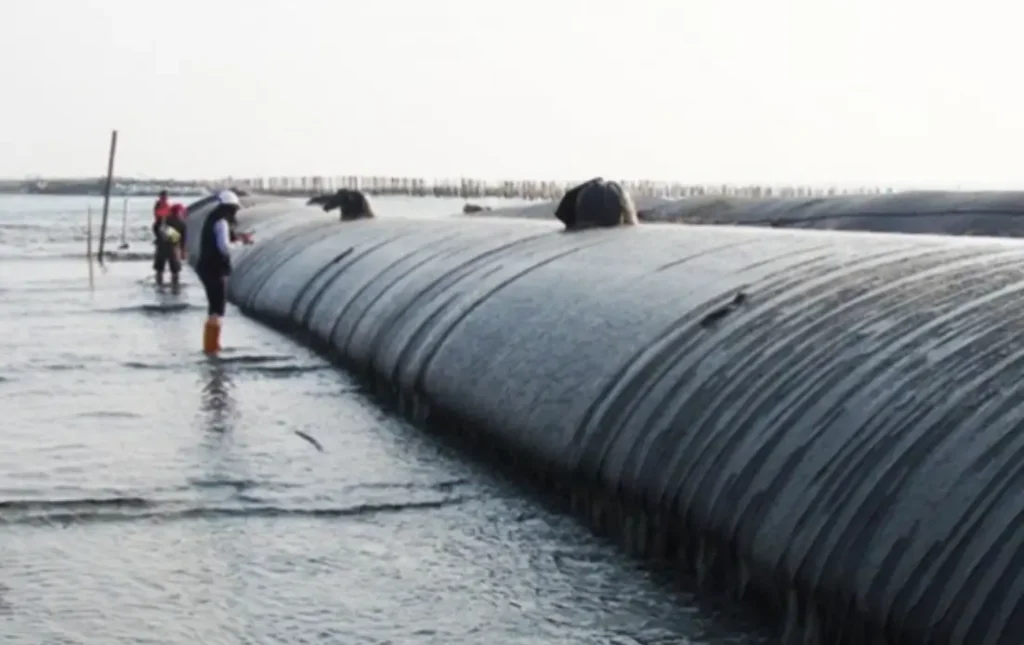
For buyers, the most important point is simple: a geotube is not selected only by length and diameter. Fabric strength, seam strength, opening size, UV exposure, pumping method, filling port layout, and anchoring details can all affect performance.
What Are Geotubes Made From?
Most geotubes are made from woven polypropylene or polyester geotextile. The fabric must be strong enough to resist filling pressure, handling stress, and site exposure. At the same time, it must allow water to pass through while retaining enough solids inside the tube.
This balance between strength and filtration is the reason geotubes are widely used in dewatering. Water drains through the fabric, while sludge, sand, or dredged solids remain inside and consolidate over time.
Main Applications of Geotubes
| Application | How Geotubes Help | Key Detail to Confirm |
|---|---|---|
| Sludge dewatering | Retain solids while water drains through the fabric. | Sludge type, particle size, polymer use, and pumping rate. |
| Dredged material containment | Contain dredged sediment in a controlled footprint. | Fill material, site access, and tube stacking plan. |
| Shoreline protection | Create a barrier against waves and erosion. | Wave condition, foundation, cover layer, and UV exposure. |
| Riverbank stabilization | Reduce erosion and support bank reshaping. | Flow velocity, anchoring, and toe protection. |
| Temporary works | Provide fast containment or erosion protection. | Installation time, removal plan, and site safety. |
Why Geotubes Are Useful for Dewatering
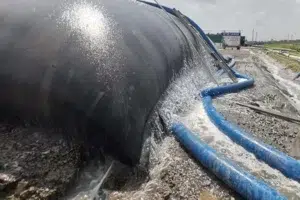
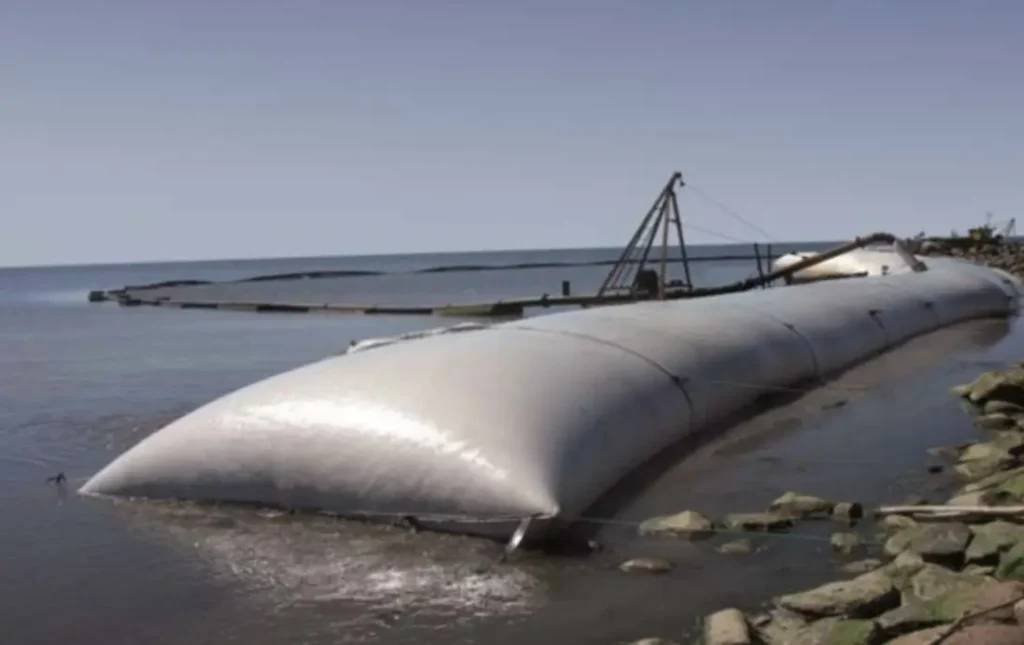
In dewatering projects, geotubes can reduce the volume of wet sludge or sediment by allowing water to drain out through the geotextile. This can make transportation, disposal, or reuse easier. The process is often used in wastewater treatment, dredging, mining ponds, industrial sludge, and lagoon cleaning.
The dewatering result depends heavily on the material being pumped. Fine sludge may require polymer conditioning. Sandy dredged material may dewater faster. Before ordering, buyers should provide solid content, particle size, expected flow rate, and available site area.
Geotubes for Shoreline and Erosion Control
For shoreline protection, geotubes can act as a core structure for erosion-control systems. They may be covered by sand, rock, vegetation, or other protective layers depending on the design. In exposed coastal areas, the geotube should not be treated as a simple bag of sand. Wave energy, ultraviolet exposure, abrasion, vandalism risk, and foundation settlement should all be considered.
If the tube remains exposed for a long period, fabric durability and UV resistance become more important. If the tube is buried or covered, installation damage and seam strength may become the main concerns.
What Buyers Should Confirm Before Ordering
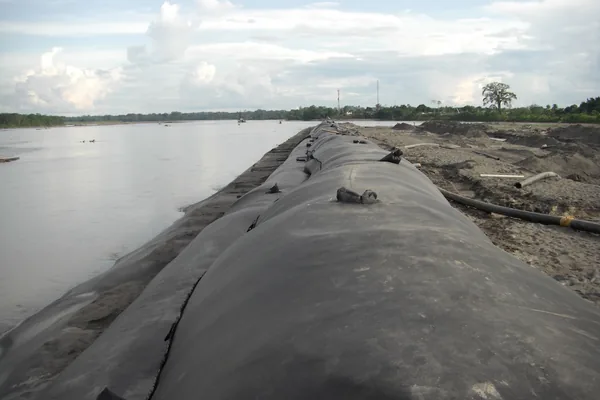
A reliable geotube quotation should be based on the project condition, not only on a requested size. For dewatering, the supplier needs to understand the slurry. For shoreline protection, the supplier needs to understand the hydraulic and site conditions.
| Information Needed | Why It Matters |
|---|---|
| Tube length and circumference | Controls capacity, site layout, and filling plan. |
| Fill material | Affects fabric opening size and dewatering speed. |
| Required strength | Supports filling pressure and installation stress. |
| Seam and port design | Important for safe filling and long-term performance. |
| Exposure condition | Determines UV, abrasion, and cover requirements. |
| Site access | Affects handling, storage, and pumping setup. |
Common Mistakes to Avoid
One common mistake is choosing a geotube only by price per piece. A cheaper tube may use weaker fabric, poor seams, or an opening size that does not match the fill material. Another mistake is ignoring the foundation. If the tube is placed on sharp debris, uneven ground, or unstable soil, installation damage and settlement can reduce performance.
For dewatering, do not assume all sludge drains at the same speed. Lab or field testing may be needed when the material is fine, oily, chemically complex, or unfamiliar. For shoreline projects, do not leave an exposed tube unprotected if the design requires a cover layer.
How Geotubes Connect With Other Geosynthetics
Geotubes are part of a wider geosynthetics system. They may be used with nonwoven geotextile for separation or cushioning, geomembrane for containment, geogrid or geocell for slope stabilization, and drainage products where water management is required. For erosion-control projects, related products such as geotextile bags may also be suitable when the project needs smaller modular units.
If the project involves filtration, drainage, or soil separation, it is also useful to review suitable geotextile options before finalizing the design.
Conclusion
Geotubes can be a practical solution for dewatering, dredged material containment, shoreline protection, and erosion control. The best result comes from matching the geotextile fabric, seam design, tube size, and installation method to the actual project conditions. Buyers should confirm fill material, water flow, exposure, site access, and performance requirements before placing an order.
FAQ
Are geotubes only used for coastal projects?
No. They are also used for sludge dewatering, dredged material containment, wastewater lagoon cleaning, industrial solids handling, and temporary erosion control.
Can geotubes be reused?
In most dewatering and containment projects, geotubes are treated as project-specific units. Reuse depends on material condition, contamination, handling damage, and site requirements.
What fabric is used for geotubes?
Woven polypropylene or polyester geotextile is commonly used because it can provide tensile strength, filtration, and durability for large filled structures.