Weak ground can delay roads, slopes, and drainage projects. Buyers often lose money when they choose geocell only by price.
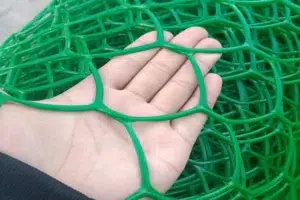
Geocells are three-dimensional cellular confinement systems. They are expanded on site, filled with soil, gravel, sand, or concrete, and used to improve road base support, slope protection, erosion control, channel stability, and weak ground reinforcement.

A good geocell project depends on material, cell height, weld strength, infill, anchoring, and installation. This guide explains the key points buyers should check before ordering.
What Are Geocells?
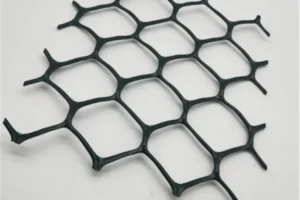
Geocells are polymer honeycomb panels used to confine fill material. Most engineering geocells are made from HDPE or other strong polymers.
The panels are folded for transport and expanded on site. After expansion, workers fill the cells with soil, sand, gravel, or concrete.
Cellular confinement systems are widely used for load support, soil stabilization, slope protection, channel protection, and earth retention. [1]
For buyers, geocell should not be treated as a simple plastic grid. It is a ground stabilization system.
How Do Geocells Stabilize Weak Ground?
Geocells stabilize weak ground by limiting lateral movement. Loose aggregate or soil can move sideways under load. The cell walls hold the infill in place.
This helps the filled layer act like a stronger support mattress. It can spread load, reduce rutting, and improve surface stability.
The final result still depends on subgrade preparation, infill quality, compaction, and cell depth.
| Ground Problem | How Geocell Helps |
|---|---|
| Soft soil | Spreads load |
| Aggregate movement | Reduces lateral spreading |
| Surface rutting | Improves base stability |
| Slope washout | Holds soil or gravel |
Why Is HDPE Commonly Used for Geocell Manufacturing?
HDPE is common because it has strong durability, good chemical resistance, and stable outdoor performance when it is properly formulated.
For geocell production, HDPE must support sheet extrusion, welding, folding, expansion, and field installation. A weak material can crack, deform, or weld poorly.
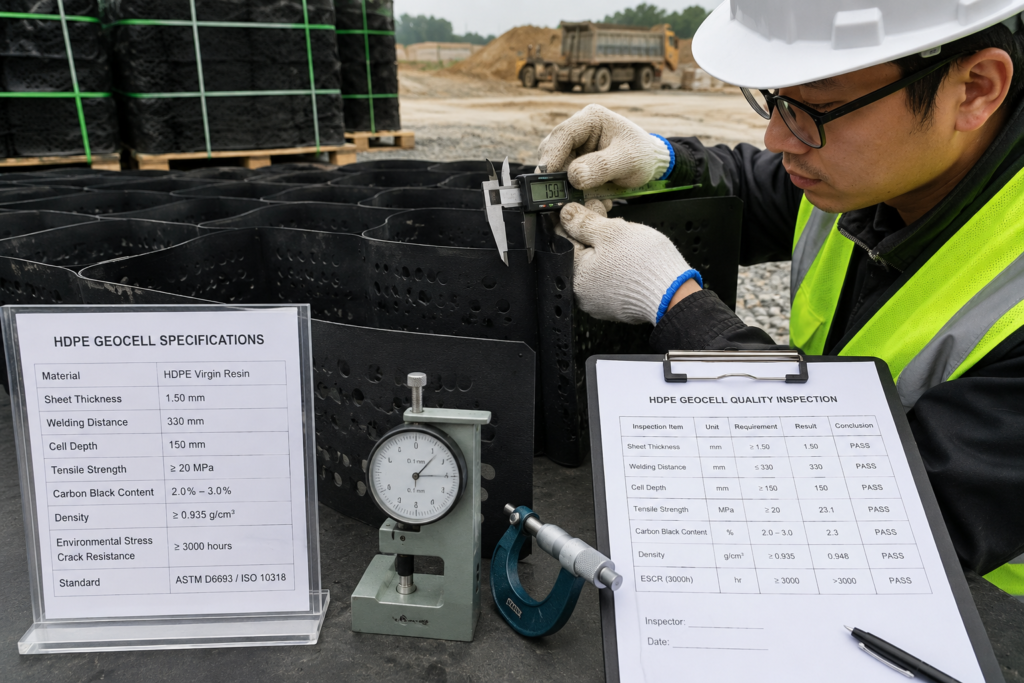
Buyers should check resin quality, sheet thickness, UV resistance, weld strength, and batch consistency before bulk orders.
What Are the Main Benefits of Geocells in Construction Projects?
Geocells help improve load distribution, reduce aggregate movement, control erosion, support vegetation, and improve project efficiency.
They can also reduce the need for imported aggregate in some projects when local fill is suitable. This can lower transport cost and material waste.
But buyers should not expect benefits from the product alone. The geocell, infill, subgrade, and installation must work together.
Where Are Geocells Commonly Used?
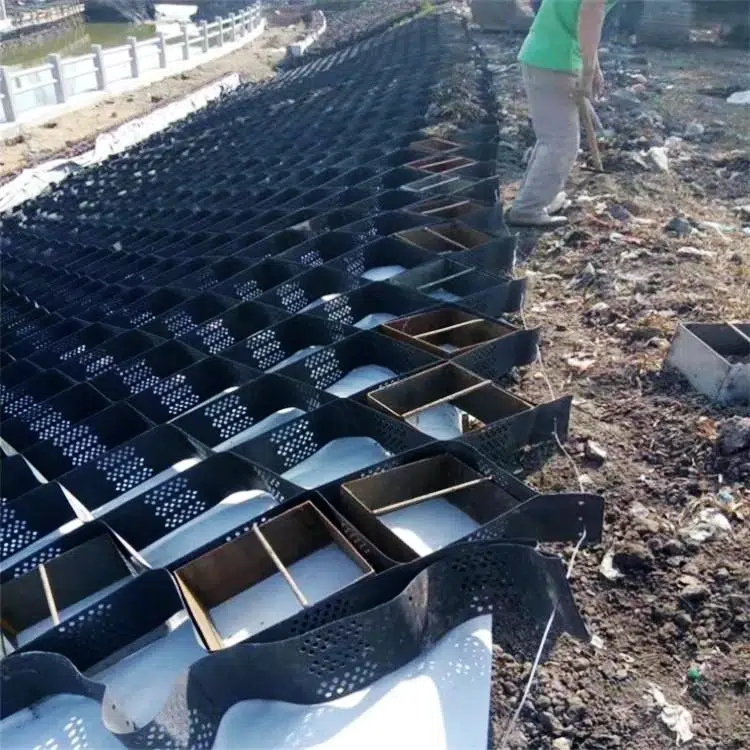
Geocells are used in roads, parking areas, railbeds, slopes, channels, riverbanks, embankments, retaining walls, and temporary access roads.
Road projects use geocell for base stabilization. Slope projects use it for surface protection. Drainage channels use it to hold gravel, stone, or concrete.
For project buyers, the application should decide the specification. One geocell grade should not be used for every site.
How Do Geocells Improve Road Base Reinforcement?
Geocells improve road base reinforcement by confining aggregate inside each cell. This reduces sideways movement under wheel load.
A road base with good confinement can resist rutting better than loose aggregate alone. This is useful for access roads, rural roads, haul roads, and weak subgrade areas.
For road projects, buyers should check cell height, weld strength, sheet thickness, aggregate size, compaction method, and geotextile need.
Buyers can review suitable geocell product specifications before comparing prices.
How Do Geocells Control Slope Erosion?

Geocells control slope erosion by holding soil, gravel, or concrete on the slope surface. The cells reduce surface movement caused by rain, runoff, and gravity.
For green slopes, geocell holds topsoil before vegetation grows. For stronger erosion areas, gravel or concrete may be used.
Slope projects need anchoring. If anchors are weak, the panel can move during filling or after heavy rain.
How Do You Choose the Right Geocell Height, Weld Strength, and Cell Size?
The right geocell height depends on load, slope angle, infill, and project risk. Deeper cells hold more infill and provide stronger confinement.
Weld strength is critical because the welded joints hold the cell structure together. Weak welds can open during expansion, filling, or service.
Cell size should match the infill. Large stone needs enough opening. Fine soil needs enough confinement.
| Specification | Buyer Check |
|---|---|
| Cell height | Match load or slope condition |
| Weld strength | Ask about factory QC |
| Cell size | Match infill material |
| Sheet thickness | Confirm actual tolerance |
| UV resistance | Confirm outdoor exposure need |
What Infill Materials Work Best with Geocells?
Common infill materials include crushed stone, gravel, sand, local soil, topsoil, and concrete.
Crushed stone is often used for road bases. Topsoil is used for green slopes. Gravel or concrete is used for channels and strong erosion areas.
The best infill is not always the cheapest material on site. It must compact well, stay inside the cells, and match the project function.
What Is the Correct Way to Install Geocells?
A correct geocell installation starts with site preparation. Workers should clear debris, grade the surface, compact the base, and manage drainage.
Then workers expand the panels, anchor them, connect adjacent sections, fill the cells, and compact or finish the surface.
For soft subgrade, geotextile materials may be placed under geocell to support separation and filtration.
What Problems Can Happen If Geocells Are Installed Incorrectly?
Incorrect installation can cause panel movement, weak confinement, cell damage, poor compaction, soil washout, and early project failure.
Common mistakes include poor subgrade preparation, overstretched panels, weak anchors, wrong infill, bad compaction, and ignored drainage.
Contractors should not let heavy equipment drive over empty cells. The cells should be filled and supported before heavy traffic enters.
What Should Project Buyers Check Before Ordering Geocells?
Project buyers should confirm application, soil condition, load, slope angle, water flow, infill material, cell height, sheet thickness, weld strength, perforation, surface texture, quantity, packing, and destination port.
A clear inquiry helps the factory recommend the right grade. A vague inquiry usually leads to a vague quotation.
For projects that also need tensile reinforcement, buyers may compare geogrid reinforcement products with geocell.
How Can MJY Geosynthetics Support Your Geocell Project?
MJY Geosynthetics can support buyers with geocell selection, specification review, packing advice, and export supply for road, slope, channel, and erosion-control projects.
Buyers can share drawings, application details, soil conditions, load requirements, infill type, quantity, and destination port.
This helps the team recommend a suitable geocell grade, cell height, panel size, packing method, and shipping plan.
My View
When I explain geocell to project buyers, I always start with application. A road base needs load support. A slope needs anchoring and erosion control. A channel needs water-flow resistance.
The biggest mistake is asking for the cheapest geocell before confirming site conditions. That can lead to wrong cell height, weak weld strength, poor infill choice, or installation failure.
A better method is simple. Confirm the project use first. Then check material, sheet thickness, weld strength, cell size, infill, and installation plan. After that, price comparison becomes useful.
A reliable supplier should help buyers reduce project risk, not only provide a square-meter quotation.
Conclusion
Geocells improve weak ground when the material, cell geometry, weld strength, infill, and installation match the project.
FAQs About HDPE Geocells
What is an HDPE geocell?
An HDPE geocell is a three-dimensional cellular confinement system made from high-density polyethylene strips and used for soil stabilization and load support.
What is the best infill for geocells?
Crushed stone works well for road bases. Topsoil works for green slopes. Gravel or concrete works better for channels and erosion-control areas.
How long does HDPE geocell last?
Service life depends on resin quality, UV resistance, sheet thickness, weld strength, exposure, infill, and installation quality.
Can geocell be used on slopes?
Yes. Geocell can hold soil, gravel, or concrete on slopes, but it needs correct anchoring, cell height, drainage, and infill selection.
Key Takeaways
- Geocells are cellular confinement systems used for road bases, slopes, channels, and weak ground.
- HDPE is commonly used because it supports durability, welding, flexibility, and outdoor performance.
- Cell height, weld strength, cell size, and infill decide real project performance.
- Incorrect installation can cause panel movement, washout, weak confinement, and early failure.
- Buyers should confirm project conditions before comparing geocell price.