Polyester geogrid is useful when tensile performance must stay reliable over time.
When Should You Use Polyester Geogrid?
Use polyester geogrid when the project needs high tensile strength, controlled elongation, and long-term reinforcement performance, especially in asphalt reinforcement, soil stabilization, embankments, and some retaining structures. The right choice depends on tensile direction, coating, creep behavior, aggregate interaction, and installation conditions.
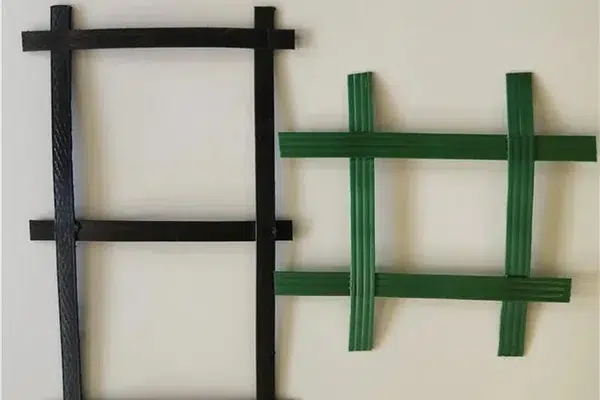
Polyester geogrid, often called PET geogrid, is not the same product as a basic plastic base grid. It is usually selected when tensile performance, dimensional stability, and long-term behavior matter more than only aperture appearance or low cost.
Tensile properties of geogrids are commonly evaluated with wide-width test methods such as ASTM D6637. [1] For long-term reinforcement, creep behavior is also a real design issue, and ASTM D5262 is one reference test method used for geosynthetics under sustained tension. [2]
Send your asphalt overlay, road base, slope, or retaining-wall use to compare tensile strength, coating, and installation risks.
Request a polyester geogrid spec checkPolyester Geogrid vs PP or Fiberglass Options
| Material option | Typical strength | Buyer check |
|---|---|---|
| Polyester geogrid | High tensile strength with controlled elongation | Creep behavior, coating, roll handling, and design life |
| PP biaxial geogrid | Base stabilization and aggregate interlock | Aperture shape, rib stiffness, and aggregate size |
| Fiberglass geogrid | Asphalt overlay reinforcement | Coating compatibility, handling damage, and paving temperature |
| Uniaxial geogrid | Retaining wall and soil reinforcement | Tensile direction and pullout resistance |
Expert Insight: Do not buy polyester geogrid only because the tensile number is high. A high-strength roll used in the wrong direction, with the wrong coating, or under poor installation control can underperform a lower-strength product that actually fits the job.
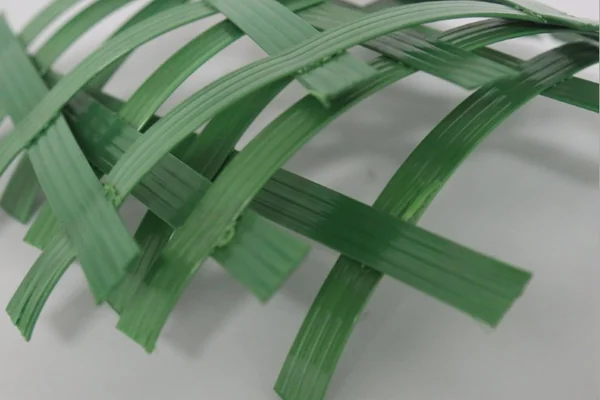
Asphalt Reinforcement Uses
In asphalt reinforcement, polyester geogrid may be used to help manage reflective cracking or strengthen an overlay system. The grid must be compatible with the tack coat, asphalt temperature, rolling method, and site traffic schedule.
The buyer should ask whether the geogrid is supplied with a bitumen-compatible coating, whether the roll can stay flat during paving, and how the product should be stored before installation. Wrinkles, contamination, and poor bonding can damage performance before the road opens.
FHWA geosynthetic guidance highlights that product function and construction control must work together. [3] For asphalt jobs, that means surface cleaning, tack coat control, roll tension, overlap, and paving sequence should be discussed before ordering.
Soil Stabilization and Reinforcement Uses
For soil stabilization, the key questions are tensile direction, aperture stability, pullout resistance, aggregate interlock, and long-term design strength. Polyester geogrid may be used in reinforced embankments, slopes, road bases, and industrial areas where sustained load is a concern.
Field Note: A buyer once compared polyester geogrid and biaxial PP geogrid only by square-meter price. The project involved a loaded working platform over weak fill. The cheaper grid looked fine in a photo, but the design needed a stronger reinforcement direction and a long-term strength check. The right product was not the lowest price line.
Factory QC and Ordering Checks
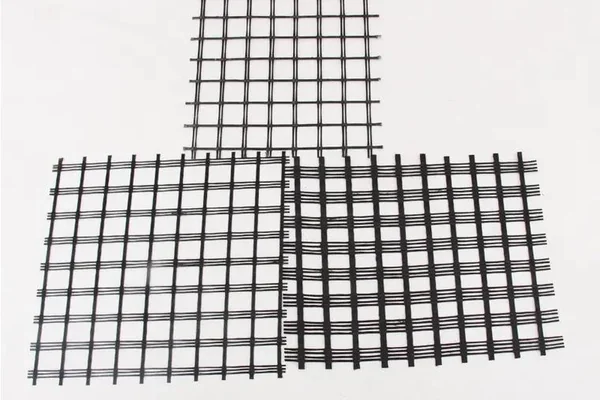
Factory Tips: Before confirming a polyester geogrid order, ask for tensile strength in the machine and cross-machine directions, elongation, roll width, roll length, coating type, mesh size, and packing method. If the supplier cannot explain the difference between short-term tensile strength and long-term design expectation, slow down the purchase.
For export orders, roll weight and packaging matter. Polyester geogrid can be damaged if rolls are crushed, dragged, or stored poorly. A clear packing plan protects the product and helps the installation team handle rolls without bending or contamination.
| Before ordering | Why it matters |
|---|---|
| Tensile direction | Wrong direction can waste the reinforcement capacity |
| Coating type | Affects asphalt compatibility and handling |
| Creep behavior | Important for sustained loads and long design life |
| Aperture and roll width | Affects interlock, overlap loss, and installation speed |
| Site method | Paving, compaction, turning traffic, and storage can change results |
Installation Risks Buyers Should Not Ignore
For asphalt reinforcement, the surface must be clean, dry enough for the system, and prepared according to the paving method. A geogrid placed over dust, loose aggregate, oil, or a weak tack coat may not bond correctly. If the grid moves during paving, even a high tensile product can become a wrinkle or slip plane instead of a reinforcement layer.
For soil stabilization, pay attention to aggregate size and placement. Large angular stone can damage some coatings or create bridging if the aperture is not suitable. Fine material may not interlock well with the grid. The project should confirm whether reinforcement depends mainly on tensile strength, aggregate interlock, or both.
QC Check: Before installation, inspect roll labels, direction marks, coating condition, and visible damage. During installation, check overlap, anchoring, wrinkles, and traffic movement. After placement, record the area covered and any repairs. This documentation is simple, but it helps avoid arguments if the road or slope later needs investigation.
The buyer myth I would challenge is that polyester geogrid is always the premium answer. It is a strong option, but a road base that needs aggregate interlock may perform better with a different grid geometry. A pavement overlay may need coating compatibility more than extreme tensile strength. The project function should drive the material choice.
The International Geosynthetics Society classifies geosynthetics by engineering function rather than marketing name. [4] That is useful for buyers: decide whether the job needs reinforcement, separation, filtration, drainage, or crack control before selecting the grid.
For product comparison, review MJY geogrid options and choose the grid around project function. For retaining-wall style reinforcement, compare with soil reinforcement applications. For road base projects where aggregate interlock is more important, a biaxial or project-specific geogrid may be more suitable than PET geogrid.
Final Takeaway
Polyester geogrid is a strong option for asphalt reinforcement and soil stabilization, but it must be selected by tensile direction, long-term behavior, coating, site method, and real project function.
## References
References
- ASTM D6637 Standard Test Method for Determining Tensile Properties of Geogrids ↩
- ASTM D5262 Standard Test Method for Evaluating the Unconfined Tension Creep Behavior of Geosynthetics ↩
- FHWA Geosynthetic Design and Construction Guidelines ↩
- International Geosynthetics Society: Geosynthetics Education Resources ↩