Geomembrane installation cost is rarely just a welding price per square meter.
Geomembrane installation cost depends on liner thickness, welding length, subgrade preparation, protection layers, roll size, site access, weather, seam testing, repair work, and project scale. A low material price can still become expensive if the site is difficult to prepare or weld.
Buyers often ask for an installation cost number before the site conditions are clear. That creates weak quotations. The contractor may later add charges for subgrade repair, extra welding, weather delay, or testing.
Send your project area, liner thickness, site condition, and destination to compare material, welding, and subgrade cost factors before ordering.
Request a geomembrane installation cost checklistWhat Drives Geomembrane Installation Cost
The biggest cost drivers are not always the liner itself. Welding labor, seam layout, subgrade condition, equipment access, weather window, and inspection requirements can change the installed price quickly.
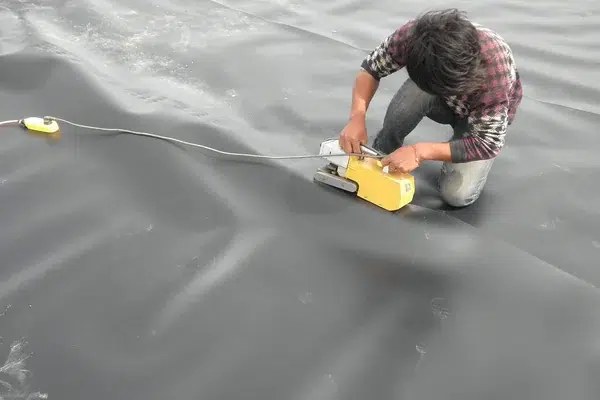
Seam integrity is a real cost factor because field seams must be made, tested, and repaired when needed. ASTM D6392 is one reference method used to evaluate nonreinforced geomembrane seam integrity. [2]
Factory Tip: When buyers send only the area, the quote is usually incomplete. A 10,000 m2 pond with clean subgrade, easy access, and simple geometry is not the same job as a 10,000 m2 landfill cell with slopes, penetrations, protection layers, and strict inspection.
Material Thickness and Surface Type
Thicker liner and textured surface can increase installation handling cost. They may be necessary for the project, but they change roll weight, deployment, welding speed, and crew planning.
HDPE geomembrane quality is often evaluated against specification requirements such as GRI GM13, while tensile properties and related mechanical behavior are tested through recognized methods. [3] [1] For installation budgeting, this means the buyer should compare both material quality and site work, not one price line.
| Factor | Cost effect | Buyer check |
|---|---|---|
| Thickness | Higher material weight and handling effort | Match liner to risk and design |
| Textured surface | Can add material and handling cost | Use when slope/interface friction is required |
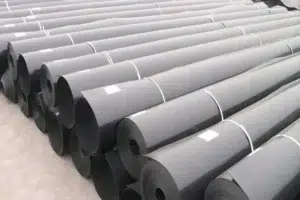
| Roll width | Can reduce seams but needs handling capacity | Check unloading and deployment method |
| Panel layout | Changes welding length and repair points | Ask for seam plan on large projects |
Subgrade Preparation and Protection Layers
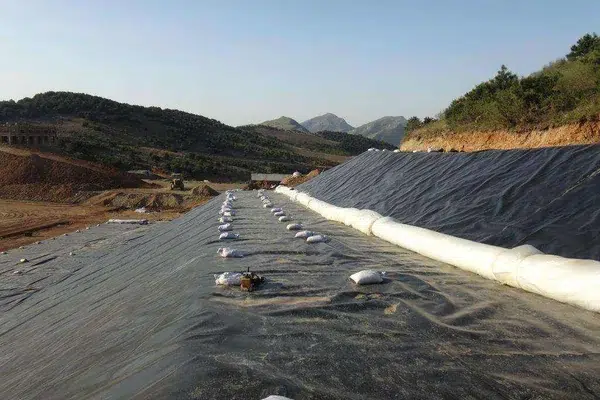
Poor subgrade can make installation cost rise before welding begins. Sharp stones, standing water, soft pockets, debris, and uneven surfaces must be corrected. Otherwise, the liner may wrinkle, puncture, or fail inspection.
A geotextile underlay may be needed when the soil or aggregate creates puncture risk. This adds material cost, but it can reduce liner damage and future repair. The cheapest installed price often ignores this protective layer until the site team sees the ground condition.
Field Note: We have seen pond buyers compare only liner price, then discover during installation that the subgrade needed smoothing and geotextile protection. The material quote looked low, but the project budget was not realistic.
Welding, Testing, and Repairs
Welding cost depends on seam length, crew skill, weather, and quality requirements. Straight seams on a flat pond are faster than short seams around corners, penetrations, anchor trenches, and slopes.
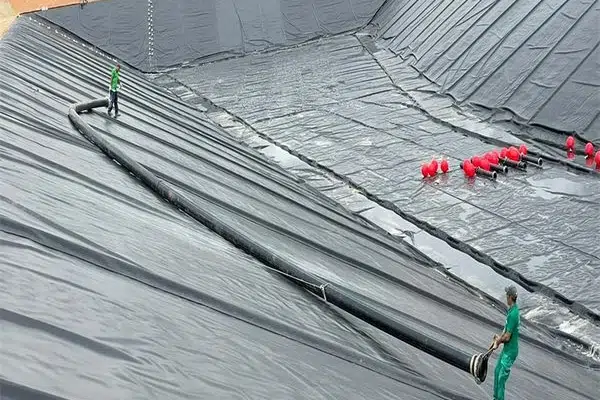
Seam testing should not be treated as an optional nuisance. It is part of risk control. A failed seam discovered after filling a pond or operating a landfill cell is far more expensive than testing and repairing during installation.
Budget Checklist for Buyers
| Budget item | Question to ask |
|---|---|
| Material | What thickness, surface, roll size, and specification are quoted? |
| Subgrade | Who is responsible for grading, smoothing, and removing sharp objects? |
| Welding | How many seams, penetrations, slopes, and repairs are expected? |
| Testing | What seam testing and documentation are required? |
| Logistics | Can the site unload, store, and move rolls safely? |
Landfill and environmental containment projects can involve stricter design expectations than ordinary ponds. EPA landfill design criteria show how containment systems are connected to environmental protection, which is why installation cost must include inspection and documentation when required. [4]
MJY supports buyers with geomembrane liner selection, geotextile protection fabric, and project-use guidance for landfill liner systems. Send the site details before asking for an installed-cost estimate.
My View
My view is that a useful installation quote should separate material, welding, subgrade, protection, testing, freight, and site access. If everything is compressed into one low number, the buyer cannot see where the risk is. A professional supplier should help clarify the cost structure even when they are not the installation contractor. That makes the final purchase more realistic and reduces arguments after the rolls arrive.
Conclusion
Geomembrane installation cost should be planned as a complete system cost. Welding price matters, but subgrade, testing, protection, logistics, and project geometry often decide the real budget.
FAQs
Why does geomembrane installation cost vary so much?
Because site geometry, liner thickness, seam length, subgrade condition, testing, and weather all change the actual work needed.
Does thicker geomembrane cost more to install?
Usually yes. It can increase roll weight, handling effort, and sometimes welding or deployment time, though it may be necessary for risk control.
Can I estimate installation cost from square meters only?
Only roughly. A reliable estimate needs liner type, layout, subgrade condition, access, seam testing, and protection layer requirements.
References
- ASTM D6693 Standard Test Method for Tensile Properties of Nonreinforced Polyethylene Geomembranes ↩
- ASTM D6392 Standard Test Method for Determining the Integrity of Nonreinforced Geomembrane Seams ↩
- Geosynthetic Institute GRI GM13 Specification for HDPE Geomembranes ↩
- EPA Subtitle D Landfill Design Criteria 40 CFR 258.40 ↩