A retaining wall can look finished while the hidden geogrid is too short to do its job.
Retaining wall geogrid should extend far enough behind the wall to create a stable reinforced soil mass. The required length depends on wall height, surcharge, soil type, slope, drainage, facing system, long-term design strength, and pullout resistance. Do not use a universal length without design review.
This article is a buyer and contractor checklist. It does not replace engineered retaining wall design, but it helps prevent wrong orders before backfill covers the reinforcement.
Send wall height, surcharge, backfill type, slope, spacing, and target strength to check geogrid length before ordering rolls.
Request a retaining wall geogrid length checkWhy Geogrid Length Matters
Geogrid length matters because the reinforced zone must resist sliding, overturning, and pullout forces. FHWA geosynthetic guidance treats reinforcement as part of a soil structure, not a decorative mesh layer. [1]
If the geogrid is too short, the wall may still be built, but the reinforced soil mass is smaller than intended. That can show up later as face bulging, settlement, cracking, or movement after rain and surcharge loading.
Field Note: We often see purchase requests saying ‘same wall height, cheapest geogrid.’ The missing detail is surcharge. A parking area, driveway, or building load near the top of the wall can change the reinforcement requirement.
There Is No One-Length Rule
A fixed rule like ‘use geogrid half the wall height’ can be unsafe if it ignores soil, surcharge, drainage, and design method. Some simple walls use short reinforcement; engineered walls may need longer embedment and stricter spacing.
| Design factor | Effect on length | Buyer check |
|---|---|---|
| Wall height | Higher wall usually increases reinforcement demand | Send section drawing |
| Surcharge load | Traffic or structures increase pressure | Describe loads behind wall |
| Backfill quality | Controls soil-geogrid interaction | Confirm granular fill or design soil |
| Slope above wall | Can increase driving force | Include site profile |
| Drainage | Poor drainage adds pressure | Show drain pipe and outlet detail |
Pullout Resistance and Long-Term Strength
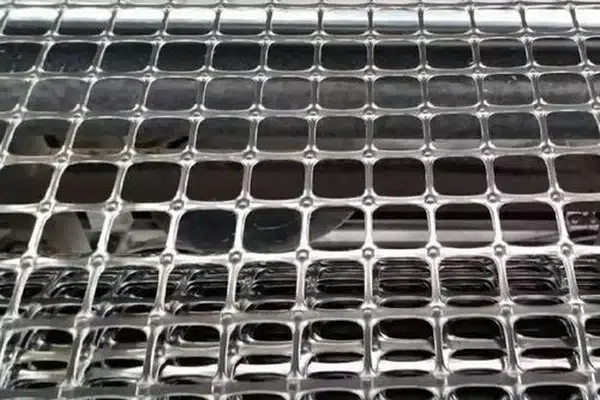
Geogrid must stay engaged with compacted backfill over time. Pullout resistance, aperture stability, tensile direction, creep reduction factor, and long-term design strength are the terms that matter more than roll color or appearance. [2]
ASTM D6637 is often referenced for geogrid tensile properties, but retaining wall design still needs project-specific reduction factors and layout checks. [3] A high catalog tensile value does not automatically prove the wall has enough embedment.
Expert Insight: The common procurement myth is that a stronger geogrid always fixes short length. It does not. Strength and embedment solve different parts of the wall problem. A strong grid that is too short may still fail to develop the required resistance.
Installation Mistakes That Shorten Effective Length
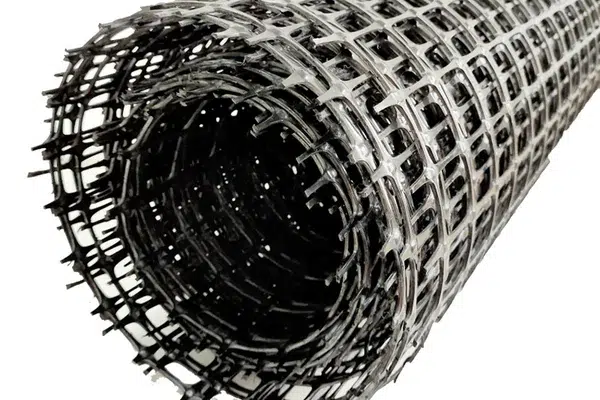
Even correct roll length can become ineffective if it is cut, folded, damaged, or installed in the wrong direction. The strong direction must run from the wall face into the reinforced backfill when the design requires it.
| Mistake | What can happen | Practical check |
|---|---|---|
| Wrong tensile direction | Specified strength is not mobilized | Mark machine direction before cutting |
| Cut around utilities | Reinforcement continuity is lost | Get design approval for penetrations |
| Loose or wrinkled grid | Poor soil contact and compaction | Pull taut before backfill |
| Sharp aggregate damage | Reduced effective strength | Cover and compact carefully |
| No drainage | Water pressure increases wall load | Use drain stone, pipe, and outlet |
How to Reduce Waste Without Shortening the Design
Cost control should come from roll planning, not from cutting reinforcement length below the drawing. Roll width, panel cut length, overlap strategy, and layer schedule can reduce waste while keeping the engineered embedment intact.
Factory Tip: For bulk geogrid orders, we often compare the wall schedule against available roll widths before final packing. If the design needs repeated lengths, planning the cut list can reduce offcuts and avoid a second shipment. That is practical saving; shortening the design length is not.
Also confirm whether the installer will cut panels on the ground or from lifted rolls, because handling method affects waste, damage risk, and site speed.
RFQ Details Before Ordering
A good RFQ should include wall height, grid length schedule, vertical spacing, tensile strength, roll direction, backfill type, surcharge, slope, drainage detail, facing type, quantity, and destination. Without these details, the supplier is guessing.
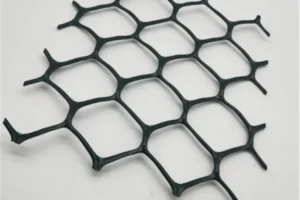
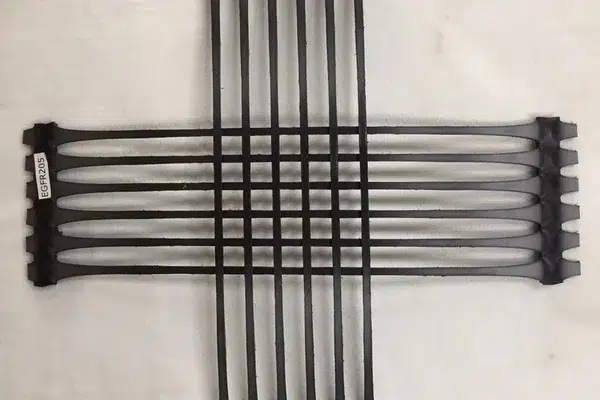
For product selection, review MJY geogrid reinforcement products. For retaining wall and slope projects, connect the order to soil reinforcement applications. If drainage fabric is needed behind the wall, include geotextile drainage fabric in the system.
IGS education resources can help procurement teams understand why geogrids are reinforcement products, but final length should follow the wall design documents. [4]
My View
My view is that geogrid length is where many wall budgets are won or lost. Ordering too much wastes money, but ordering too little is worse because the error disappears under backfill until the wall moves. A buyer who wants to control cost should confirm length schedule, roll width, cut plan, and delivery quantity before changing the product. Blind substitution is not value engineering.
Conclusion
Retaining wall geogrid should extend according to the wall design, not a universal shortcut. Confirm length, direction, strength, backfill, drainage, and surcharge before ordering.
FAQs
How far back should retaining wall geogrid extend?
It depends on wall height, soil, surcharge, slope, drainage, and design method. Use the engineered wall schedule instead of a universal length.
Can stronger geogrid use a shorter length?
Not automatically. Strength and embedment length are different design checks. Any reduction should be approved by the wall engineer.
What is the most common retaining wall geogrid mistake?
Wrong tensile direction and short embedment are common mistakes because both can be hidden after backfilling.