Grass grid parking lots fail early when the plastic grid is expected to compensate for a weak base.
Grass grid for parking lots should be selected by traffic category, base thickness, compaction, drainage, soil bearing condition, infill type, edge restraint, and HDPE paver height. The grid distributes load, but the base still carries most of the parking surface performance.
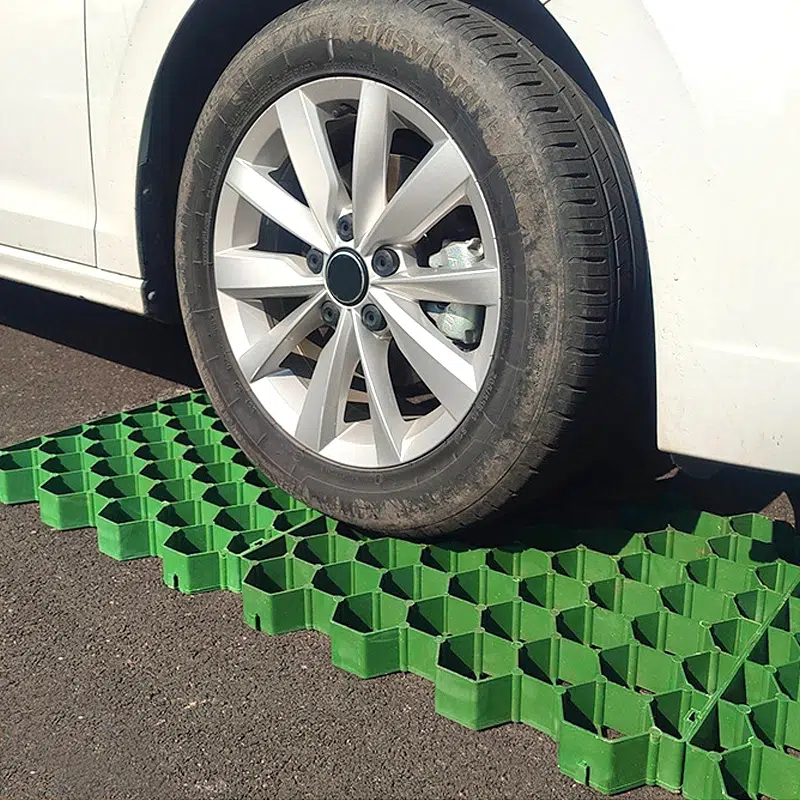
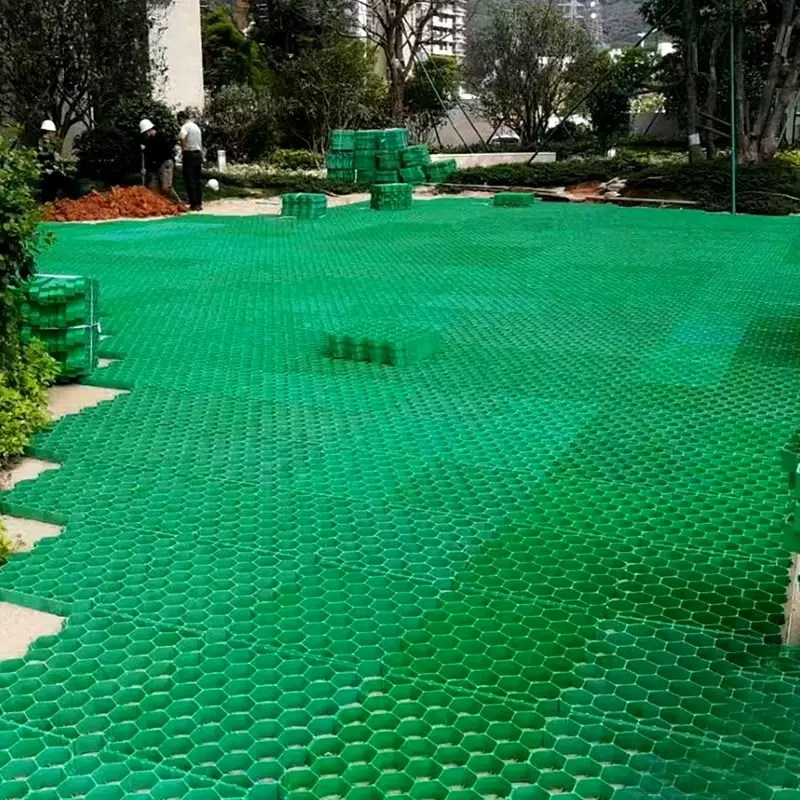
MJY grass paver options include YCGP-40, YCGP-50, and YCGP-70 with 500 x 500 mm panels and 40, 50, or 70 mm height options. The right height depends on site use, not only unit price.
Send parking use, soil condition, expected vehicle load, base depth, infill plan, and quantity to compare grass grid options before ordering.
Request a grass grid parking lot spec checkGrass Grid Is Not a Shortcut Around Base Preparation
Grass grid helps create a permeable parking surface, but it does not replace subgrade preparation. Green infrastructure guidance treats permeable surfaces as part of stormwater management, where water movement and base storage matter. [1]
The grid cell keeps soil, grass, or gravel in place and helps distribute wheel load. If the subgrade is soft, the base is too thin, or compaction is poor, the cells can settle, rock, or show tire ruts.
Factory Tip: When a buyer asks for the cheapest grass grid, I ask whether cars, SUVs, delivery vans, or fire access vehicles will use the area. The load category changes the base and often the paver height.
Base Depth and Drainage Decide Performance
The base layer decides whether the grass grid stays flat after traffic and rain. A parking lot needs excavated subgrade, compacted aggregate, leveling layer, edge restraint, correct infill, and drainage path.
| Layer or detail | What it controls | Buyer check |
|---|---|---|
| Subgrade | Settlement and bearing support | Remove soft pockets and compact properly |
| Aggregate base | Load distribution and drainage storage | Set depth by soil and traffic load |
| Leveling layer | Flat panel support | Avoid voids under cells |
| Edge restraint | Lateral movement | Use firm borders at drives and turns |
| Infill | Grass health or gravel stability | Match soil, sand, gravel, or turf plan |
Choosing 40 mm, 50 mm, or 70 mm Height
Grass paver height should match traffic, base quality, and infill need. MJY grass paver models YCGP-40, YCGP-50, and YCGP-70 use 500 x 500 mm panels, with listed load bearing strength of 160-200 ton/m2 under product-table conditions.
That load value should not be treated as permission to skip base design. It describes product capacity under controlled conditions; site performance still depends on subgrade modulus, aggregate quality, compaction, drainage, and turning traffic.
| Model | Panel size | Typical selection logic |
|---|---|---|
| YCGP-40 | 500 x 500 x 40 mm | Light parking, pedestrian areas, good prepared base |
| YCGP-50 | 500 x 500 x 50 mm | General parking and stronger infill support |
| YCGP-70 | 500 x 500 x 70 mm | Higher infill depth or heavier-duty project conditions |
Common Mistakes That Create Ruts
Most grass grid failures come from base shortcuts, poor edges, weak infill, or wrong traffic assumptions. These errors may not appear on day one, but repeated steering and wet conditions expose them quickly.
A small base saving can turn into expensive rework because panels must be lifted, the base corrected, and the infill replaced. On commercial parking projects, downtime and surface repair can cost more than choosing the right base depth at the start.
QC Check: Before shipment, confirm material type, paver height, panel size, quantity, packing, and whether the order is virgin HDPE or recycled material. For export buyers, also confirm pallet size and unloading method.
Traffic Areas Need Different Attention
Not every part of a parking lot carries the same stress. Straight parking stalls, turning lanes, entrances, emergency access routes, and delivery zones can need different base attention even when the same grass grid panel is used.
Turning areas are the usual complaint point because tire shear can disturb infill and edges. If a buyer expects frequent turning, vans, or maintenance vehicles, the RFQ should say so. A small increase in base quality or edge restraint can prevent surface movement that would otherwise be blamed on the grid.
RFQ Checklist for Parking Lots
A strong RFQ should include parking type, vehicle class, soil condition, rainfall/drainage need, base depth, infill plan, edge detail, project area, panel height preference, material preference, destination, and order quantity.
For product matching, review MJY HDPE grass grid and grass paver options. If the parking area also needs drainage or separation layers, combine it with geotextile separation fabric. For road and civil works, connect the surface design with geosynthetics application guidance.
FHWA and IGS resources are useful for understanding geosynthetic support functions, but project-specific base preparation should still be checked by the designer or contractor. [3] [4]
My View
My view is that grass grid should be sold as a system decision, not only a plastic panel. The panel height matters, but base preparation matters more. A 70 mm grid over a poor base can still look bad after traffic. A correctly prepared base with the right HDPE paver height, edge restraint, and infill can give the buyer a cleaner parking surface and fewer complaints. The best quotation asks about the site before recommending the model.
Conclusion
Grass grid parking lots need correct base preparation, drainage, infill, edge restraint, and paver height. Choose the HDPE grass paver after the site use is clear.
FAQs
Is grass grid suitable for parking lots?
Yes, when the base, drainage, edge restraint, infill, and traffic category are designed correctly.
Which grass paver height should I choose?
Choose by vehicle load, soil condition, base depth, and infill plan. MJY options include 40 mm, 50 mm, and 70 mm heights.
Can grass grid stop rutting by itself?
No. Grass grid helps distribute load, but rutting control depends heavily on subgrade preparation, aggregate base, drainage, and compaction.