Smooth and textured geomembranes can look like a small surface choice, but that choice can change slope safety and installed cost.
Textured geomembrane is usually selected where interface friction matters, such as slopes, landfill sidewalls, and lined containment areas with cover soil. Smooth geomembrane is often easier to weld, handle, and inspect on flat or low-slope areas. The right liner depends on slope angle, contact layer, seam plan, and project risk.
A buyer should not choose texture only because it sounds stronger. Texture is a design and installation decision, not a universal upgrade.
Send slope angle, liner thickness, contact layer, containment use, and project location to compare textured and smooth geomembrane before ordering.
Request a geomembrane surface specification checkThe Main Difference Is Interface Friction
Textured geomembrane adds surface roughness to increase interaction with adjacent soil, geotextile, or geocomposite layers. Smooth geomembrane has a lower-friction surface and is often preferred where slopes are not the main design risk. GRI GM13 is commonly used as a specification framework for HDPE geomembrane properties. [1]
The key term is interface friction. A slope liner system does not depend only on the liner sheet; it depends on how the liner contacts soil, geotextile, geonet, or cover materials under load.
Factory Tip: When a buyer asks for textured liner, I first ask whether the texture is required on one side or both sides. Double-textured liner can be useful, but it may add cost and handling complexity if the project only needs friction on one interface.
When Textured Geomembrane Makes Sense
Textured geomembrane makes sense when slope stability, cover soil retention, or landfill sidewall friction is part of the design. Asperity height is one measurable texture feature, and ASTM D7466 is commonly referenced for textured geomembrane asperity height measurement. [2]
| Project condition | Better surface choice | Buyer check |
|---|---|---|
| Landfill side slope | Textured or double-textured | Confirm interface friction and protection layer |
| Flat pond bottom | Smooth often works well | Check puncture protection and welding plan |
| Steep reservoir bank | Textured may be required | Confirm slope angle and cover material |
| Mining process pond slope | Textured or project-specific | Check chemical exposure and anchoring |
| Simple irrigation pond | Smooth or textured by site risk | Do not over-specify without slope need |
Smooth Geomembrane Still Has Advantages
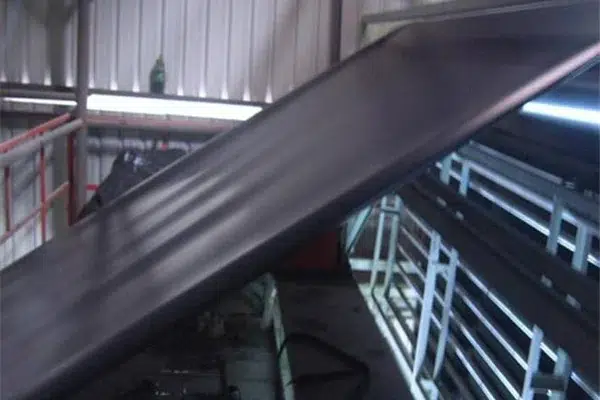
Smooth geomembrane is not a lower-grade product; it is the right choice for many flat or low-slope containment projects. It can be easier to weld, easier to clean, and simpler to inspect visually during installation.
Tensile behavior is still important for both smooth and textured polyethylene liners. ASTM D6693 is one common reference for tensile properties of nonreinforced polyethylene geomembranes. [3] Surface texture does not remove the need to check thickness, density, carbon black content, stress crack resistance, and OIT-related data.
Expert Insight: A common buyer myth is that textured liner is automatically safer. If the project is flat and the real risk is puncture from rough subgrade, spending more on texture may not solve the right problem. A geotextile protection layer may reduce risk better than texture in that situation.
Cost and Welding Differences
Textured geomembrane usually costs more and may require more careful handling during welding and installation. The material cost can rise because of the production process, and the site cost can rise if the crew needs more time for surface cleaning, seam preparation, and panel movement.
| Cost factor | Smooth geomembrane | Textured geomembrane |
|---|---|---|
| Material price | Usually lower | Usually higher |
| Welding workflow | Often simpler | Needs careful seam area control |
| Slope performance | Lower interface friction | Better friction potential |
| Inspection | Simple visual surface | Texture can hide dirt or handling marks |
| Best buying logic | Flat containment and simple installation | Slopes, landfill sidewalls, cover soil contact |
Landfill and Slope Risk Checks
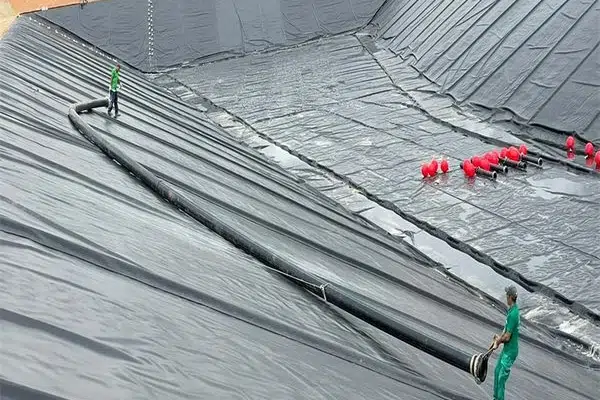
Landfill and environmental containment projects should treat surface choice as part of the liner system, not a cosmetic option. Regulations and design criteria can require liner systems and leachate control measures that go beyond one product line item. [4]
Field Note: We have seen RFQs where the drawing required textured liner on a slope, but the purchase message asked for the cheapest smooth roll. The price difference looked attractive, but the quoted product no longer matched the design intent. That kind of substitution should go back to the engineer before purchase.
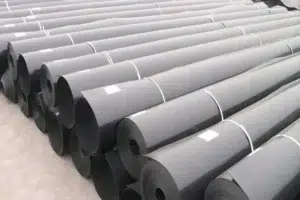
Another detail is unloading and panel layout. Textured rolls can be heavier and less forgiving during dragging, so the site should plan equipment access before the liner arrives.
RFQ Checklist Before Ordering
A useful RFQ should include application, slope angle, thickness, smooth or textured surface, one-side or two-side texture, contact layer, roll width, quantity, welding requirement, protection layer, and destination. Without those details, two suppliers may quote different liner systems.
For product matching, review MJY geomembrane liner options and HDPE geomembrane liner specifications. For containment projects, connect the liner choice with landfill geosynthetics applications before final ordering.
My View
My view is that textured geomembrane should be selected because the project needs friction, not because the buyer wants the most expensive-looking liner. Smooth liner is often the correct, efficient choice for flat containment. Textured liner becomes important when slopes, cover soil, landfill sidewalls, or interface stability are part of the risk. A good supplier should ask what the liner touches on both sides before recommending surface type.
Conclusion
Choose textured geomembrane when friction and slope stability matter. Choose smooth geomembrane when the project is flat, welding simplicity matters, and the design does not require texture.
FAQs
Is textured geomembrane always better than smooth geomembrane?
No. Textured geomembrane is better when interface friction is needed, but smooth geomembrane can be better for flat areas and simpler welding.
Does textured geomembrane cost more?
Usually yes. Texture adds production and handling cost, so buyers should confirm whether the project really needs one-side or two-side texture.
Can smooth geomembrane be used in landfill projects?
It depends on the design. Flat areas may use smooth liner, while slopes often require textured liner or other interface stability checks.
References
- Geosynthetic Institute GRI GM13 Specification for HDPE Geomembranes ↩
- ASTM D7466 Standard Test Method for Measuring Asperity Height of Textured Geomembranes ↩
- ASTM D6693 Standard Test Method for Tensile Properties of Nonreinforced Polyethylene Geomembranes ↩
- EPA Subtitle D Landfill Design Criteria 40 CFR 258.40 ↩