July 10, 2026

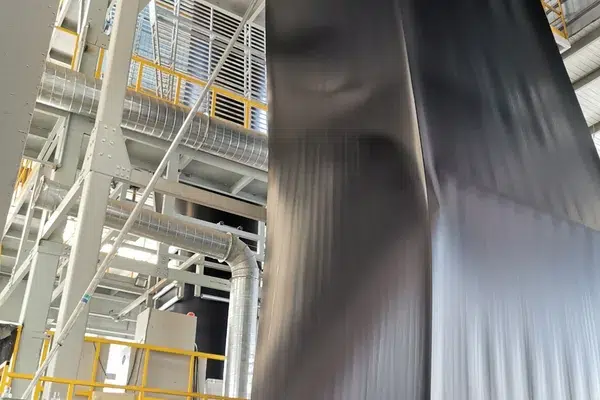
Textured HDPE geomembrane surface used to improve interface friction on slopes and landfill liner systems

Textured Geomembrane vs Smooth Geomembrane: Avoid Wrong Liner Specs

Smooth and textured geomembranes can look like a small surface choice, but that choice can change slope safety and installed cost. Textured geomembrane is usually selected where interface friction matters, such as slopes, landfill sidewalls, and lined containment areas with cover soil. Smooth geomembrane is often easier to weld, handle, and inspect on flat or […]

Textured Geomembrane vs Smooth Geomembrane: Avoid Wrong Liner Specs Read More »

Uniaxial plastic geogrid material used for retaining wall and slope soil reinforcement

Geogrid Material Guide: PP, PET, Fiberglass, and Steel-Plastic Options

Geogrid material is often compared by appearance, but the material decides creep, elongation, coating, and project fit. Geogrid material may be PP, HDPE, PET, fiberglass, basalt, or steel-plastic composite. Buyers should choose by tensile direction, elongation, long-term design strength, creep behavior, coating, aperture stability, installation damage risk, and application, not only by price per roll.

Geogrid Material Guide: PP, PET, Fiberglass, and Steel-Plastic Options Read More »

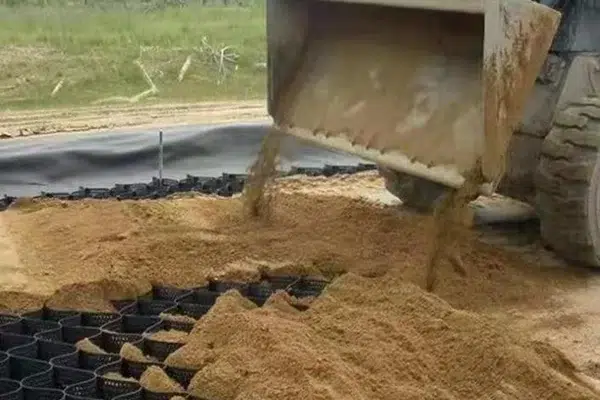
HDPE geocell expanded panel used for roads slopes and erosion control cellular confinement

HDPE Geocells for Roads, Slopes, and Erosion Control

HDPE geocells can stabilize weak ground, but wrong cell height or weak welds can turn a good design into site rework. HDPE geocells, also searched as geoceldas, are cellular confinement systems used for road base support, slope protection, erosion control, channels, and weak soil stabilization. Selection should consider cell height, weld spacing, strip thickness, surface

HDPE Geocells for Roads, Slopes, and Erosion Control Read More »

en_USEnglish

Get Free Quote!