Geogrid material is often compared by appearance, but the material decides creep, elongation, coating, and project fit.
Geogrid material may be PP, HDPE, PET, fiberglass, basalt, or steel-plastic composite. Buyers should choose by tensile direction, elongation, long-term design strength, creep behavior, coating, aperture stability, installation damage risk, and application, not only by price per roll.
A retaining wall, asphalt overlay, and road base may all use geogrid, but they usually should not use the same material type.

Send application, required strength, soil or pavement condition, roll size, and destination to compare PP, PET, fiberglass, or steel-plastic geogrid.
Request a geogrid material recommendationGeogrid Material Is a Performance Choice
Material selection affects strength direction, elongation, creep, durability, and how the grid interacts with soil or asphalt. FHWA geosynthetic guidance treats reinforcement as a system function, so material should match the project use. [1]
Plastic geogrids are common for soil and aggregate stabilization. Polyester geogrids are often used where high tensile reinforcement and low creep are important. Fiberglass geogrid is widely used in asphalt reinforcement because low elongation helps control reflective cracking.
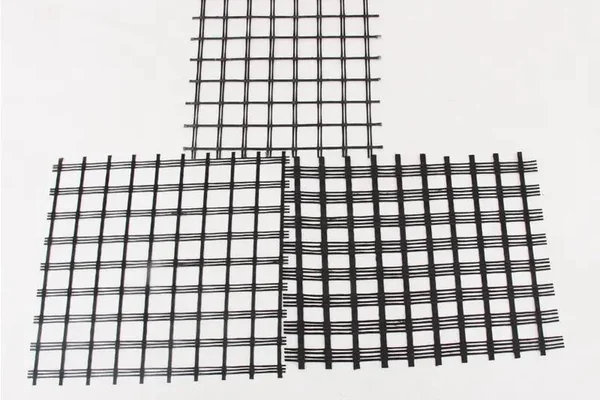
Factory Tip: When buyers send only a mesh photo, I ask for the application before quoting. A grid for asphalt overlay and a grid for retaining wall backfill may look similar to a new buyer, but the coating, elongation, and tensile direction can be completely different.
PP, HDPE, PET, Fiberglass, and Steel-Plastic
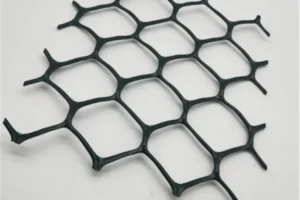
Each geogrid material has a practical use case. PP and HDPE grids are common in civil reinforcement, PET grids suit higher-strength reinforcement, fiberglass grids suit asphalt layers, and steel-plastic grids are selected where high stiffness and welded nodes are required.
| Material | Typical fit | Buyer warning |
|---|---|---|
| PP geogrid | Biaxial road base and foundation stabilization | Check aperture stability and strength direction |
| HDPE geogrid | Uniaxial reinforcement and retaining wall use | Confirm long-term design strength |
| PET geogrid | High-strength soil reinforcement | Check coating and creep behavior |
| Fiberglass geogrid | Asphalt reinforcement and crack control | Not a normal soil backfill grid |
| Steel-plastic geogrid | High stiffness reinforcement applications | Check weld node quality and corrosion environment |
Tensile Strength Is Not the Whole Specification
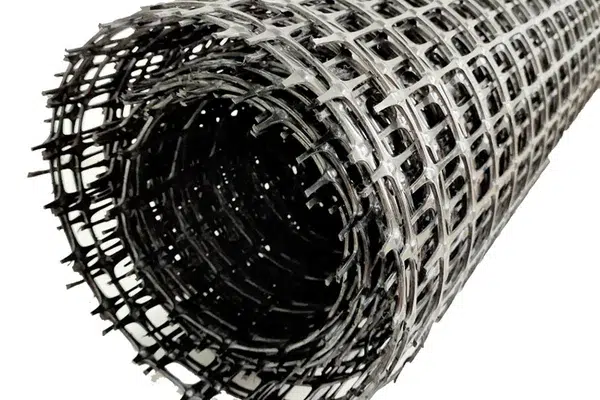
Peak tensile strength is only one part of geogrid selection. ASTM D6637 is commonly referenced for geogrid tensile properties, but a project also needs to consider elongation, direction, creep, reduction factors, and installation damage. [2]
Expert Insight: The mistake I see most is comparing a 50 kN/m product across different materials as if all 50 kN/m grids behave the same. A PET geogrid, PP biaxial geogrid, and fiberglass asphalt grid may share a strength number, but they are not interchangeable.
Creep behavior can matter where the geogrid carries load for years. ASTM D6992 is one reference used for accelerated tensile creep and creep-rupture evaluation of geosynthetic materials. [3]
Application Decides the Right Material
The best geogrid material depends on what the structure needs the grid to do. Reinforced soil walls need strength in the correct direction. Road bases need aggregate interlock and aperture stability. Asphalt overlays need low elongation and good coating compatibility.
| Application | Common material direction | Main selection variable |
|---|---|---|
| Retaining wall | Uniaxial HDPE or PET | Long-term design strength and pullout resistance |
| Road base | Biaxial PP or similar | Aperture stability and aggregate interlock |
| Asphalt overlay | Fiberglass or basalt | Low elongation and coating compatibility |
| Slope reinforcement | Uniaxial or PET | Tensile direction and anchoring |
| Heavy reinforcement | PET or steel-plastic | Creep, stiffness, and node performance |
Quote Comparison Mistakes
The cheapest geogrid quote is often cheap because the material, direction, coating, or test value is different. Buyers should compare roll width, tensile direction, strength at specified strain, elongation, coating, node strength, and documentation before judging price.
Field Note: We once reviewed a geogrid inquiry where one quote was much lower than the rest. The reason was not better pricing; it was a biaxial road grid being quoted against a uniaxial retaining wall requirement. The buyer would have saved on the invoice and lost on the wall design.
The same issue appears with coating. A coated polyester grid and an uncoated plastic grid may both be called geogrid, but their site behavior and target application are not the same.
QC Check: Always compare the submitted data sheet with the drawing notes before confirming the material code.
RFQ Checklist Before Ordering
A useful RFQ should include application, design strength, tensile direction, material type, elongation limit, roll size, coating need, soil or asphalt condition, quantity, destination, and required test documents. This prevents suppliers from quoting different products under one generic name.
For product matching, review MJY geogrid reinforcement products. For retaining walls and slopes, connect material choice with soil reinforcement applications. For road projects, compare the grid with civil engineering application requirements before ordering.
IGS education resources are useful for understanding geosynthetic functions, but final material selection should follow project drawings and engineering requirements. [4]
My View
My view is that geogrid material should be chosen after the buyer explains the failure risk. If the problem is road base rutting, aperture stability may matter more than a very high tensile number. If the problem is a retaining wall, tensile direction and long-term strength become critical. If the problem is reflective cracking in asphalt, fiberglass or basalt behavior is different again. Good procurement starts with the application, not the material name.
Conclusion
Geogrid material selection should match the application. Compare PP, HDPE, PET, fiberglass, and steel-plastic grids by function, strength direction, elongation, creep, coating, and project risk.
FAQs
What is geogrid material made of?
Common geogrid materials include PP, HDPE, PET, fiberglass, basalt fiber, and steel-plastic composite structures.
Is PET geogrid better than PP geogrid?
Not always. PET is often selected for high-strength reinforcement, while PP biaxial geogrid is common for road base and aggregate stabilization.
Can fiberglass geogrid be used for retaining walls?
Usually fiberglass geogrid is used for asphalt reinforcement. Retaining walls normally need geogrid selected for soil reinforcement and tensile direction.
References
- FHWA Geosynthetic Design and Construction Guidelines ↩
- ASTM D6637 Standard Test Method for Determining Tensile Properties of Geogrids ↩
- ASTM D6992 Standard Test Method for Accelerated Tensile Creep and Creep-Rupture of Geosynthetic Materials ↩
- International Geosynthetics Society Education Resources ↩