The wrong pond liner thickness can create puncture, handling, seam, and repair risk before the pond reaches normal service, especially when the subgrade and protection layers were not reviewed with the liner.
HDPE pond liner thickness should be selected with the pond use, subgrade condition, water level, slope geometry, puncture exposure, surface type, protection layer, and seam plan. Thickness alone cannot confirm whether the liner system is suitable for a farm or industrial pond.
The key is to compare the full containment section rather than buying the thickest or cheapest roll offered for the total area.
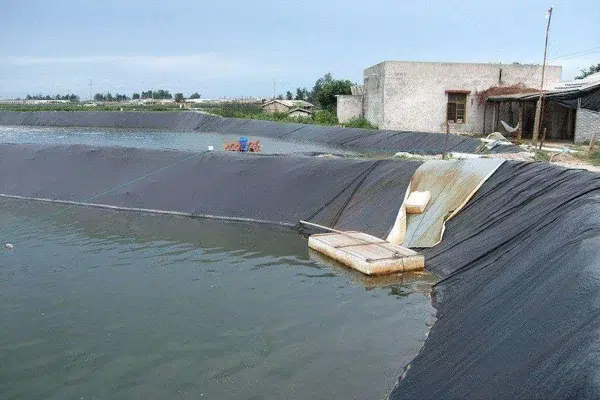
Send the pond dimensions, use, water condition, subgrade, slopes, target thickness, quantity, destination, and required documents for a liner review.
Request a pond liner checkA pond liner RFQ should state the pond application, dimensions, depth, slope angle, subgrade, liner surface, thickness requirement or project section, protection layer, liquid condition where relevant, quantity, destination, panel or roll preference, and requested test documents. That information lets the supplier compare liner options against the real installation conditions.
What Changes the Required Pond Liner Thickness?
Thickness is only one part of liner selection. The controlling factors are puncture exposure, subgrade preparation, installation handling, water load, seam access, protection layers, liquid condition, and the approved pond design.
A liner over smooth prepared soil has a different exposure from one placed near angular aggregate, irregular concrete, drainage stone, or weak wet formation. The material should be discussed with what sits above and below it, not as an isolated sheet.
GRI GM13 is a manufacturing quality-control framework for HDPE geomembranes. It helps buyers review stated properties, while an individual pond project can require additional or more restrictive design conditions. [1]
How Do Subgrade and Protection Layers Matter?
A protection layer can reduce specified interface exposure, but it cannot correct a poorly prepared subgrade or replace the project evaluation of sharp objects, water condition, and construction traffic.
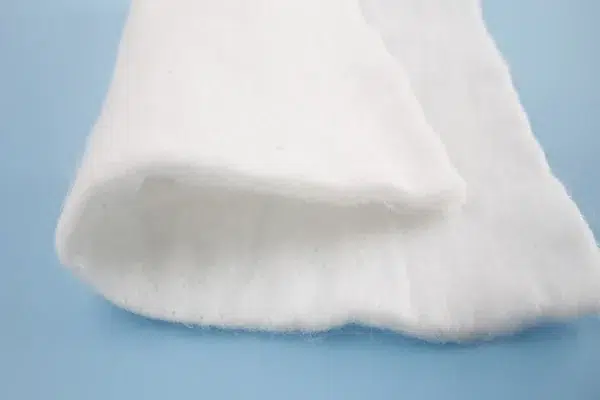
Remove protrusions, fill voids, and manage unsuitable wet areas as required by the project. A nonwoven geotextile may be included as a cushioning layer where the pond section calls for it. ASTM D4833 is an index puncture reference that helps compare material data, not a substitute for checking the actual interface. [3]
Buyers should ask whether the protection fabric, liner, drainage layer, and cover or ballast detail are all included in the quotation. A low liner price can mask a missing layer that becomes a site change later.
| Project condition | What to confirm | Risk if missed |
|---|---|---|
| Prepared soil pond | Surface condition, groundwater, panel layout | Puncture or trapped-water repair work |
| Rocky interface | Protection layer and puncture requirement | Localized liner damage |
| Sloped pond wall | Texture, friction, anchoring detail | Slip or difficult deployment |
| Industrial liquid pond | Chemistry, temperature, design documents | Specification mismatch |
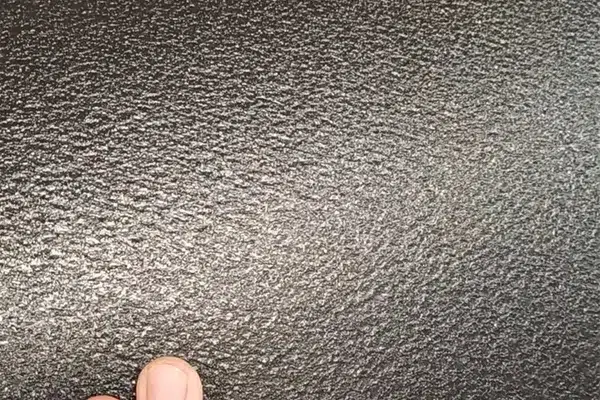
When Does Smooth or Textured Liner Make Sense?
Textured liner is normally discussed where interface friction is part of the slope detail; smooth liner may fit other areas where the approved section supports it. The decision should be made by pond geometry and adjacent layers.
Texture is not a universal upgrade. It can affect interface behavior, handling, welding planning, and quotation cost. The responsible design should state where texture is required and how it connects with smooth panels or other layers.
ASTM D5199 provides a nominal-thickness test method. A thickness number should be read with its stated basis and the full liner-system design, not used as a guaranteed field-life claim. [2]
Which Installation Details Prevent Rework?
Many pond liner repairs start before welding: poor surface preparation, uncontrolled traffic, panel damage, unsuitable weather conditions, unclear layout, or missing seam and repair records.
A seam should be treated as a controlled construction detail. Confirm trial seams, inspection access, test frequency, repair procedure, panel identification, and the sequence for placing protection or cover layers. ASTM D6392 covers destructive seam testing for nonreinforced geomembranes and provides useful context for a quality plan. [4]
Buyer Check: Before dispatch, compare the approved data sheet, liner type, roll size, panel layout, protection layer, labels, packaging, seam plan, test requirements, and delivery access. This can prevent a mismatch between material supply and field installation.
What Should Be Checked Before Dispatch?
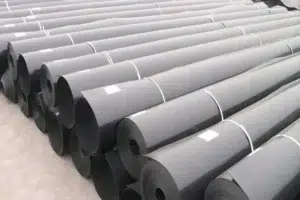
The delivery plan should support the panel layout and welding sequence. Roll size, roll weight, packaging, access route, surface type, and required documents can all affect whether the material can be placed and inspected as planned.
Factory Tip: Before bulk dispatch, buyers should confirm the approved liner data sheet, thickness basis, roll dimensions, labels, batch traceability, protection-fabric rolls, and delivery order. A correct liner material can still create avoidable handling or seam delays when the roll layout does not match the site access and panel plan.
For large ponds, ask who will control panel deployment, seam testing, repairs, and records. This does not change the final design requirement, but it gives the procurement team a practical way to compare installation readiness before material arrives.
What Should Buyers Include in a Pond Liner RFQ?
A complete RFQ includes pond use, size, depth, slopes, subgrade, liner thickness or required properties, surface type, protection layers, quantity, destination, and required test or inspection documents.
For industrial or process ponds, include liquid chemistry and temperature when relevant to the project team. For agricultural ponds, explain the expected water level, exposure, edge detail, and installation responsibility.
Buyers can review HDPE geomembrane liner options, compare pond liner protection materials, and submit the section through the pond liner RFQ form. The final specification should be confirmed against the project design.
FAQs
Is a thicker pond liner always better?
No. Thickness can affect puncture resistance and handling, but subgrade, protection, seams, slope interfaces, liquid condition, and project design still determine the final choice.
Can geotextile replace subgrade preparation?
No. A protection layer may support the designed liner system, but it does not remove the need to prepare the surface and address sharp objects or unsuitable conditions.
What documents should buyers request?
Request data sheet and test basis, roll dimensions, labels, batch identification, packaging, panel layout information, and project-required seam or inspection documents.
Conclusion
Pond liner thickness is a system decision. Match the HDPE liner, subgrade, protection, surface type, seam plan, and procurement details to the pond design before comparing price.