
Non woven geotextile fabric is easy to buy wrong because GSM looks simple but performance is not.
Non woven geotextile fabric is used for drainage, filtration, separation, protection, and cushioning. Buyers should compare GSM together with apparent opening size, permittivity, puncture resistance, tensile strength, soil type, and installation condition before choosing a specification.
A heavier fabric is not automatically better. It may be stronger, but drainage flow, clogging risk, and site function still decide whether the fabric fits.

Send soil type, drainage direction, aggregate size, application, GSM target, and roll size to compare nonwoven geotextile fabric before ordering.
Request a nonwoven geotextile specification checkWhat Non Woven Geotextile Fabric Does
Nonwoven geotextile usually works as a permeable fabric layer, not a waterproof barrier. It can separate soil from aggregate, filter moving water, protect geomembrane, and support drainage. Apparent opening size is one key value because it affects soil retention and filtration behavior. [1]
Common applications include road separation, retaining wall drainage, French drains, landfill liner protection, pond liner underlay, erosion control support, and construction separation layers. The same roll should not be used blindly for every job.
Factory Tip: When a buyer asks for 200 gsm fabric, I ask where it will sit in the section. Under gravel, behind a wall, above a liner, or inside a drain trench are different conditions. GSM is a starting point, not the whole specification.
Drainage, Separation, and Protection
The required function decides the right fabric. Drainage and filtration need water flow and soil retention. Separation needs tensile strength and survivability. Protection needs puncture resistance and cushioning behavior.
| Función | Propósito principal | Specification focus |
|---|---|---|
| Drainage and filtration | Let water pass while controlling soil migration | Permittivity, opening size, clogging risk |
| Separación | Keep aggregate and subgrade from mixing | Tensile strength, elongation, survivability |
| Protección del revestimiento | Reduce puncture risk against geomembrane | CBR puncture, mass per area, cushion behavior |
| Road base support | Maintain aggregate layer integrity | Strength, overlap, installation damage resistance |
| Retaining wall drainage | Protect drain stone and reduce soil migration | Opening size, flow, installation layout |

Why GSM Alone Can Mislead Buyers
GSM tells mass per unit area, but it does not fully describe drainage or survivability. Two fabrics with similar weight can have different fiber type, thickness, opening size, elongation, puncture resistance, and water flow behavior.
Water permeability by permittivity is a common performance concern for geotextiles used in drainage and filtration. [2] If a buyer only compares GSM, they may choose fabric that is strong enough but too slow to drain, or open enough to drain but weak on site.
Field Note: We have seen drainage projects where a buyer upgraded GSM after a failure, but the real issue was clogging from fine soil and poor aggregate grading. Heavier fabric alone did not solve the problem. The fabric opening size and drainage layer had to be checked together.
Nonwoven vs Woven Geotextile
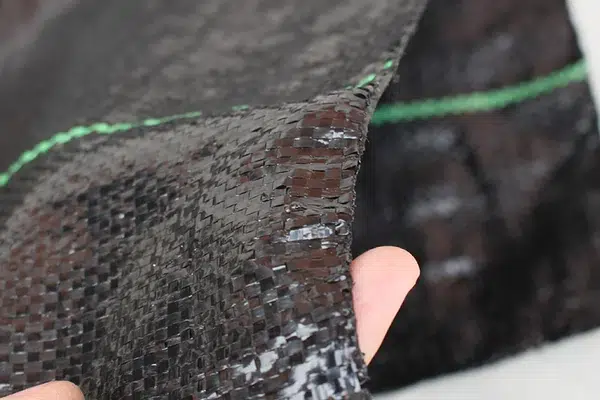
cURL Too many subrequests by single Worker invocation. To configure this limit, refer to https://developers.cloudflare.com/workers/wrangler/configuration/#limits cURL Too many subrequests by single Worker invocation. To configure this limit, refer to https://developers.cloudflare.com/workers/wrangler/configuration/#limits
| cURL Too many subrequests by single Worker invocation. To configure this limit, refer to https://developers.cloudflare.com/workers/wrangler/configuration/#limits | Resistencia típica | Uso típico | cURL Too many subrequests by single Worker invocation. To configure this limit, refer to https://developers.cloudflare.com/workers/wrangler/configuration/#limits |
|---|---|---|---|
| Geotextil no tejido | cURL Too many subrequests by single Worker invocation. To configure this limit, refer to https://developers.cloudflare.com/workers/wrangler/configuration/#limits | cURL Too many subrequests by single Worker invocation. To configure this limit, refer to https://developers.cloudflare.com/workers/wrangler/configuration/#limits | cURL Too many subrequests by single Worker invocation. To configure this limit, refer to https://developers.cloudflare.com/workers/wrangler/configuration/#limits |
| Geotextil tejido | cURL Too many subrequests by single Worker invocation. To configure this limit, refer to https://developers.cloudflare.com/workers/wrangler/configuration/#limits | cURL Too many subrequests by single Worker invocation. To configure this limit, refer to https://developers.cloudflare.com/workers/wrangler/configuration/#limits | cURL Too many subrequests by single Worker invocation. To configure this limit, refer to https://developers.cloudflare.com/workers/wrangler/configuration/#limits |
| cURL Too many subrequests by single Worker invocation. To configure this limit, refer to https://developers.cloudflare.com/workers/wrangler/configuration/#limits | cURL Too many subrequests by single Worker invocation. To configure this limit, refer to https://developers.cloudflare.com/workers/wrangler/configuration/#limits | cURL Too many subrequests by single Worker invocation. To configure this limit, refer to https://developers.cloudflare.com/workers/wrangler/configuration/#limits | cURL Too many subrequests by single Worker invocation. To configure this limit, refer to https://developers.cloudflare.com/workers/wrangler/configuration/#limits |
| cURL Too many subrequests by single Worker invocation. To configure this limit, refer to https://developers.cloudflare.com/workers/wrangler/configuration/#limits | cURL Too many subrequests by single Worker invocation. To configure this limit, refer to https://developers.cloudflare.com/workers/wrangler/configuration/#limits | cURL Too many subrequests by single Worker invocation. To configure this limit, refer to https://developers.cloudflare.com/workers/wrangler/configuration/#limits | cURL Too many subrequests by single Worker invocation. To configure this limit, refer to https://developers.cloudflare.com/workers/wrangler/configuration/#limits |
cURL Too many subrequests by single Worker invocation. To configure this limit, refer to https://developers.cloudflare.com/workers/wrangler/configuration/#limits
cURL Too many subrequests by single Worker invocation. To configure this limit, refer to https://developers.cloudflare.com/workers/wrangler/configuration/#limits cURL Too many subrequests by single Worker invocation. To configure this limit, refer to https://developers.cloudflare.com/workers/wrangler/configuration/#limits
cURL Too many subrequests by single Worker invocation. To configure this limit, refer to https://developers.cloudflare.com/workers/wrangler/configuration/#limits [3] cURL Too many subrequests by single Worker invocation. To configure this limit, refer to https://developers.cloudflare.com/workers/wrangler/configuration/#limits
cURL Too many subrequests by single Worker invocation. To configure this limit, refer to https://developers.cloudflare.com/workers/wrangler/configuration/#limits
cURL Too many subrequests by single Worker invocation. To configure this limit, refer to https://developers.cloudflare.com/workers/wrangler/configuration/#limits
cURL Too many subrequests by single Worker invocation. To configure this limit, refer to https://developers.cloudflare.com/workers/wrangler/configuration/#limits cURL Too many subrequests by single Worker invocation. To configure this limit, refer to https://developers.cloudflare.com/workers/wrangler/configuration/#limits
cURL Too many subrequests by single Worker invocation. To configure this limit, refer to https://developers.cloudflare.com/workers/wrangler/configuration/#limits
cURL Too many subrequests by single Worker invocation. To configure this limit, refer to https://developers.cloudflare.com/workers/wrangler/configuration/#limits cURL Too many subrequests by single Worker invocation. To configure this limit, refer to https://developers.cloudflare.com/workers/wrangler/configuration/#limitscURL Too many subrequests by single Worker invocation. To configure this limit, refer to https://developers.cloudflare.com/workers/wrangler/configuration/#limits cURL Too many subrequests by single Worker invocation. To configure this limit, refer to https://developers.cloudflare.com/workers/wrangler/configuration/#limitscURL Too many subrequests by single Worker invocation. To configure this limit, refer to https://developers.cloudflare.com/workers/wrangler/configuration/#limits cURL Too many subrequests by single Worker invocation. To configure this limit, refer to https://developers.cloudflare.com/workers/wrangler/configuration/#limits.
cURL Too many subrequests by single Worker invocation. To configure this limit, refer to https://developers.cloudflare.com/workers/wrangler/configuration/#limits [4]
Mi opinión
cURL Too many subrequests by single Worker invocation. To configure this limit, refer to https://developers.cloudflare.com/workers/wrangler/configuration/#limits
Conclusión
cURL Too many subrequests by single Worker invocation. To configure this limit, refer to https://developers.cloudflare.com/workers/wrangler/configuration/#limits
Preguntas frecuentes
cURL Too many subrequests by single Worker invocation. To configure this limit, refer to https://developers.cloudflare.com/workers/wrangler/configuration/#limits
cURL Too many subrequests by single Worker invocation. To configure this limit, refer to https://developers.cloudflare.com/workers/wrangler/configuration/#limits
cURL Too many subrequests by single Worker invocation. To configure this limit, refer to https://developers.cloudflare.com/workers/wrangler/configuration/#limits
cURL Too many subrequests by single Worker invocation. To configure this limit, refer to https://developers.cloudflare.com/workers/wrangler/configuration/#limits
cURL Too many subrequests by single Worker invocation. To configure this limit, refer to https://developers.cloudflare.com/workers/wrangler/configuration/#limits
cURL Too many subrequests by single Worker invocation. To configure this limit, refer to https://developers.cloudflare.com/workers/wrangler/configuration/#limits
Referencias
- Método de prueba estándar ASTM D4751 para el tamaño de apertura aparente de geotextiles ↩
- Métodos de prueba estándar ASTM D4491 para la permeabilidad al agua de geotextiles por permitividad ↩
- Directrices de diseño y construcción de geosintéticos de la FHWA ↩
- cURL Too many subrequests by single Worker invocation. To configure this limit, refer to https://developers.cloudflare.com/workers/wrangler/configuration/#limits ↩




 Spanish
  English
  Arabic