Most geotextile installation problems start before the fabric is unrolled.
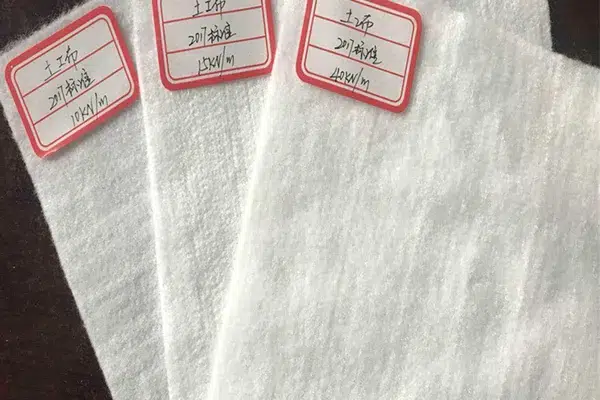
What Is the Correct Way to Install Geotextile?
Correct geotextile installation starts with subgrade preparation, then controlled fabric placement, proper overlap, wrinkle removal, protection from damage, and prompt covering. The exact overlap and fabric type depend on soil strength, water condition, aggregate size, traffic, and whether the fabric works as separation, filtration, drainage, or reinforcement.
A geotextile is not just a sheet placed under stone. It is a functional layer. If the site needs separation, the fabric must prevent aggregate from mixing with fines. If the site needs filtration, the fabric must allow water through while retaining soil. If the site needs protection, puncture resistance becomes a bigger issue.
Apparent opening size and water permeability are common reference points for geotextile filtration and drainage decisions. [1] [2] Installation crews do not need to memorize test methods, but buyers should understand why one fabric cannot fit every site.
Send your road, drainage, pond, or retaining-wall detail to check geotextile overlap, fabric type, and placement risk before ordering.
Request a geotextile installation checklistSubgrade Preparation Comes First
Remove sharp debris, large roots, soft pockets, standing water, and sudden grade changes before placing the fabric. If the subgrade is uneven, the fabric can bridge voids, wrinkle, tear during aggregate placement, or fail to keep layers separated.
Factory Tips: Ask for roll weight before shipment. A wide roll reduces seams, but it also needs the right handling equipment. If a crew cannot move the roll safely, they may drag the fabric, contaminate it with soil, or cut it into inefficient sections.
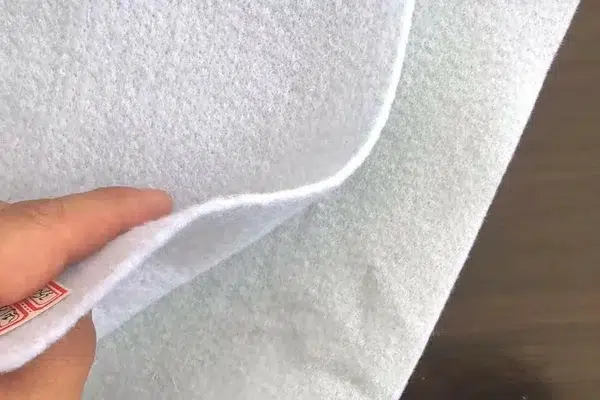
How Much Overlap Is Needed?
| Site condition | Overlap logic | Risk if too small |
|---|---|---|
| Firm prepared subgrade | Moderate overlap may work when disturbance is low | Small gaps during aggregate spreading |
| Soft or wet soil | Use wider overlap or sewing as specified | Fabric separation and soil pumping |
| Drainage trench | Wrap detail matters more than flat overlap alone | Soil enters the drain stone |
| Sloped area | Overlap direction should follow water and fill movement | Water or aggregate lifts the fabric edge |
There is no honest universal overlap number for every geotextile project. Many site specifications give a minimum, but the installer still needs judgment. Soft subgrade, moving water, steep slopes, or heavy aggregate placement usually require more care than a clean, flat, compacted base.
FHWA geosynthetic guidance emphasizes matching material function and construction practice. [3] That is important because a good fabric can still fail if aggregate is dumped aggressively or equipment turns directly on uncovered fabric.
Drainage and Filtration Checks
For drainage work, confirm the water path before fabric is placed. Water should enter the drainage layer, move through or along the correct path, and leave through a planned outlet. If the outlet is blocked, the fabric becomes part of a wet problem rather than a drainage solution.
QC Check: Before covering the fabric, inspect for tears, folds, open seams, soil contamination, and shifted overlaps. Small defects are much easier to repair before aggregate covers the fabric. After covering, the repair becomes excavation work.
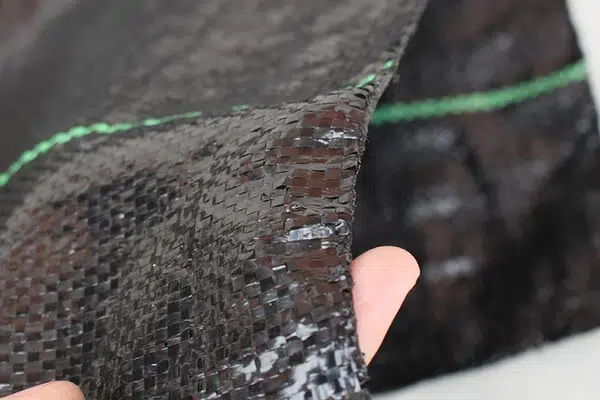
Common Installation Mistakes
| Mistake | Why it matters | Better practice |
|---|---|---|
| Placing fabric on soft mud | The layer can pump and deform under load | Repair weak spots and control water first |
| Dragging fabric over sharp stone | Creates punctures before service starts | Unroll and position with controlled handling |
| Leaving wrinkles under aggregate | Creates stress points and uneven cover | Pull flat before covering |
| Driving on uncovered fabric | Can tear or shift the layer | Cover with specified fill before traffic |
Field Note: When buyers report that geotextile ‘did not work,’ the photos often show installation damage, not product failure. Exposed fabric has been driven over, aggregate was dumped from too high, or overlap moved before cover was placed. The material did not get a fair chance.
Cover Material and Site Traffic Control
The covering step is where many good fabrics are damaged. Aggregate should be placed in a way that does not drag, fold, or shove the geotextile. If a loader pushes stone directly across uncovered fabric, the overlap can open and soil can enter the aggregate layer. That failure may not be obvious until rutting, clogging, or settlement appears later.
For roads and working platforms, traffic control matters. A geotextile can separate soil and aggregate only when it stays continuous. Turning trucks on thin cover, braking hard during placement, or working during heavy rain can disturb the fabric. The installer should place enough initial cover before allowing repeated traffic.
The International Geosynthetics Society describes geosynthetics as engineered products used with soil and rock, which is a useful reminder that the fabric is part of a construction system, not a loose accessory. [4] The installer has to protect that system during placement.
For B2B buyers, I recommend asking the contractor how the fabric will be unrolled, overlapped, covered, and inspected. If the answer is vague, add a simple site checklist to the purchase file. It can prevent disputes later when product quality and installation damage are being discussed at the same time.
That checklist is especially useful when several subcontractors handle the same base layer and responsibility for damage is unclear. It also helps the buyer separate a product-quality issue from a placement issue, which makes after-sales communication faster and more factual.
MJY supplies nonwoven and woven geotextile fabrics for drainage, separation, and reinforcement. For drainage projects, compare the fabric with geonet drainage layers when faster in-plane drainage is required. For road and base work, review geosynthetics application options before finalizing the roll order.
Final Takeaway
Geotextile installation is a system task: prepare the subgrade, place the fabric carefully, control overlap, protect the layer, and confirm drainage before covering.
## References
References
- ASTM D4751 Standard Test Method for Determining Apparent Opening Size of a Geotextile ↩
- ASTM D4491 Standard Test Methods for Water Permeability of Geotextiles by Permittivity ↩
- FHWA Geosynthetic Design and Construction Guidelines ↩
- International Geosynthetics Society: Geosynthetics Education Resources ↩