A drainage layer can clog, tear, or lose separation performance when nonwoven geotextile is selected only by GSM and not by the soil, aggregate, water path, and installation exposure.
Non woven geotextile can support drainage, filtration, separation, and cushioning when its apparent opening size, permittivity, puncture resistance, thickness, and installation conditions fit the project. Weight alone cannot confirm whether the fabric will protect the drainage path or survive placement.
For drainage trenches, retaining-wall backdrains, road edges, underdrains, pond protection, and other civil works, the geotextile is part of the complete filter and drainage system. Soil grading, hydraulic condition, aggregate, cover placement, and expected construction damage all change the correct specification.
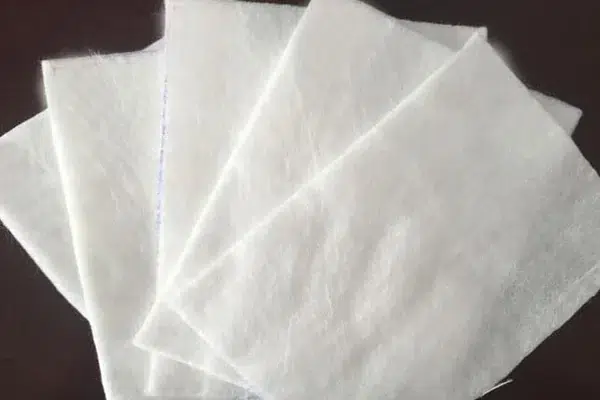
Send the soil description, aggregate, drainage section, water condition, roll size, quantity, destination, and required test standard for an RFQ review.
Request a drainage fabric checkA clear drainage-fabric RFQ should state the function required: filtration, separation, cushioning, drainage support, or a combination. Include soil information, drainage aggregate, expected water flow, puncture exposure, roll width, area, placement method, quantity, destination, and requested documents. Without those details, two materials described as ‘nonwoven geotextile’ may not be comparable.
What Does Non Woven Geotextile Do in a Drainage Layer?
In a drainage detail, nonwoven geotextile is often used to separate soil from aggregate while allowing water to pass through the fabric. The right result depends on filtration stability, opening size, permittivity, soil behavior, and how the material is installed.
The goal is not maximum flow through any fabric. A drainage system must manage water while limiting movement of soil particles into the aggregate voids. FHWA guidance discusses geosynthetics within their application and material-selection context; the final filter design should be reviewed against project soil and hydraulic conditions. [1]
A heavy fabric can still be a poor filter match, while a very open fabric may not control the soil required by the detail. The project designer should determine the appropriate relationship between soil, geotextile, and drainage aggregate. Buyers should use a data sheet review as a starting point, not as a substitute for geotechnical design.
Why Are Weight, Permittivity, and Opening Size Different Checks?
GSM describes mass per unit area, but drainage selection also needs water-flow and filtration information. Permittivity indicates a water-flow property under a stated test method, while apparent opening size helps describe a filtration-related characteristic.
ASTM D4491 covers water permeability of geotextiles by permittivity, and ASTM D4751 covers apparent opening size. These test methods help buyers compare documented material properties, but neither one alone proves a complete drainage design. The fabric must be considered with soil particle distribution, water condition, aggregate, confinement, and installation exposure. [2] [3]
| Selection item | What it helps assess | Risk if ignored |
|---|---|---|
| GSM and thickness | Handling, cushioning, and material mass | A weight-only choice misses flow and filtration needs |
| Permittivity | Water passage through the fabric under a test method | Drainage performance may not match the water condition |
| Apparent opening size | A filtration-related characteristic | Soil migration or unsuitable filter behavior |
| CBR puncture or related puncture data | Resistance during aggregate placement and handling | Tears or damage before the drainage layer is complete |
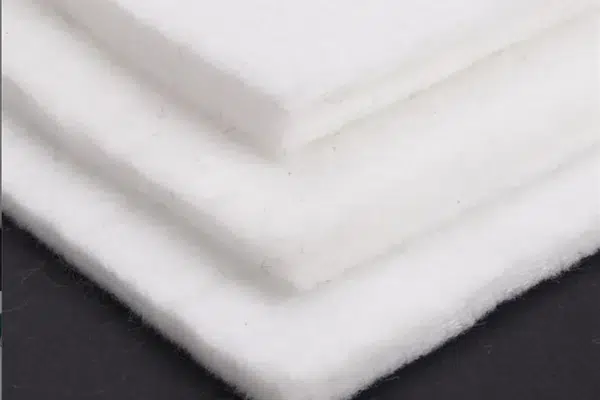
The table does not create a universal specification. It shows why purchase teams should compare several relevant properties and the test method behind them. The exact acceptance values depend on the design, project condition, and any specified standard.
How Does Installation Create Drainage Risk?
Even a suitable nonwoven can lose its intended function if it is torn by aggregate, bridged over voids, folded into an unintended flow path, contaminated before placement, or left exposed beyond the installation plan.
Prepare the formation, control sharp protrusions, place the fabric without avoidable damage, and follow the approved overlap and cover procedure. The right overlap is not a generic number for every trench or drainage blanket; it depends on the section, installation method, hydraulic condition, and project detail.
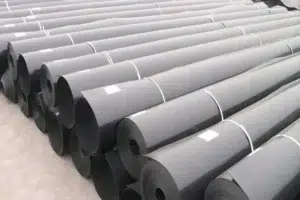
Factory Tip: Before confirming bulk supply, compare the sample hand feel and thickness with the data sheet, then ask for the stated roll width, roll length, packaging, and test documents. A fabric can appear substantial in a small sample yet still create avoidable waste or placement difficulty when the delivered roll size does not suit the trench or panel layout.
When Is Non Woven Fabric Not the Only Answer?
Non woven geotextile is often selected for filtration and drainage support, but some projects need additional separation strength, reinforcement, a different filter detail, or a drainage composite. The function in the approved section should decide the material category.
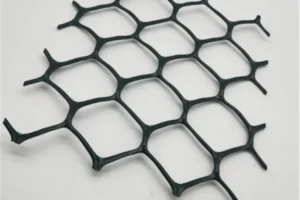
For example, a road separation layer with significant construction loading may require a different performance balance than a retaining-wall drain envelope. In some containment or drainage structures, a geonet drainage layer or another engineered drainage component may be considered by the design team. Product names should never replace an application review.
QC Check: Request the relevant data sheet, stated test methods, roll dimensions, batch labels, packaging, sample approval process, quantity per shipment, and project-required testing before release. ASTM D4833 provides an index puncture method that can help compare documented resistance, while project conditions still determine the accepted requirement. [4]
What Should Buyers Put in a Drainage Geotextile RFQ?
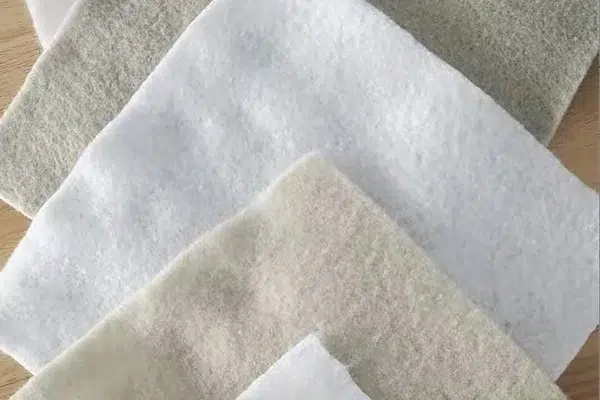
A drainage geotextile RFQ should identify the application, soil, aggregate, water condition, required function, target properties, roll dimensions, quantity, destination, installation method, and any specified test standard or document requirement.
Include whether the fabric will sit under aggregate, wrap a trench drain, protect a pipe zone, support a retaining-wall drainage layer, or cushion another geosynthetic. Buyers can review nonwoven geotextile drainage fabric options, compare the wider geosynthetics application guidance, and send the section to the technical material review team before requesting a final quotation. A qualified engineer should verify the final filter and drainage parameters.
FAQs
Is a higher GSM non woven geotextile always better for drainage?
No. Higher weight can affect handling and puncture resistance, but filtration stability, apparent opening size, permittivity, soil condition, aggregate, and installation exposure still control the selection.
Can nonwoven geotextile stop all soil from entering drainage stone?
No fabric should be treated as a universal guarantee. The filter relationship must be matched to the project soil, water condition, drainage aggregate, and approved design.
What should buyers request before ordering?
Request the data sheet, stated test methods, relevant flow, opening-size, puncture, and strength data, roll dimensions, packaging, labels, batch traceability, and any project-required test reports.
Conclusion
For drainage work, nonwoven geotextile must be selected as a filter and installation component, not as a GSM-only commodity. Confirm soil, water, aggregate, puncture exposure, roll layout, and RFQ data first.