Landfill

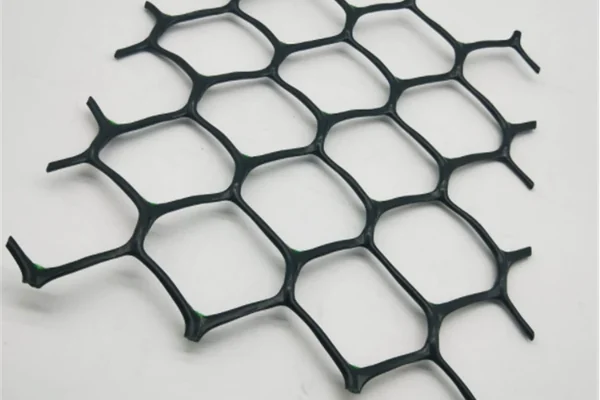
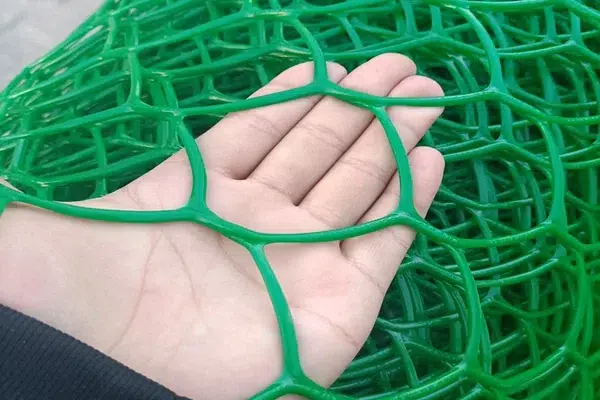
Geonet drainage material for landfill liquid collection layers

Geonet for Landfill Drainage: Flow Capacity, Protection, and Layer Design

Choosing the wrong geonet for landfill drainage specification can create material waste, site delays, and performance risk before the project reaches its intended service life. Geonet For Landfill Drainage should be selected for its required function in landfill leachate collection, liner drainage layers, and protected drainage composite sections. Buyers should compare the application condition, controlling […]

Geonet for Landfill Drainage: Flow Capacity, Protection, and Layer Design Read More »

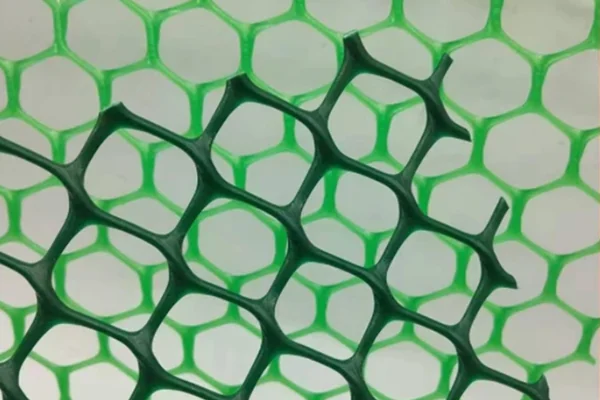
Geonet Drainage Layer for transmissivity and compressive-load assessment

Geonet Transmissivity Under Load: What Landfill Buyers Should Check

Choosing the wrong geonet transmissivity under compressive load specification can create material waste, site delays, and performance risk before the project reaches its intended service life. Geonet Transmissivity Under Compressive Load should be selected for its required function in landfill drainage, leachate collection, retaining-wall drainage, and protected drainage composite sections. Buyers should compare the application

Geonet Transmissivity Under Load: What Landfill Buyers Should Check Read More »

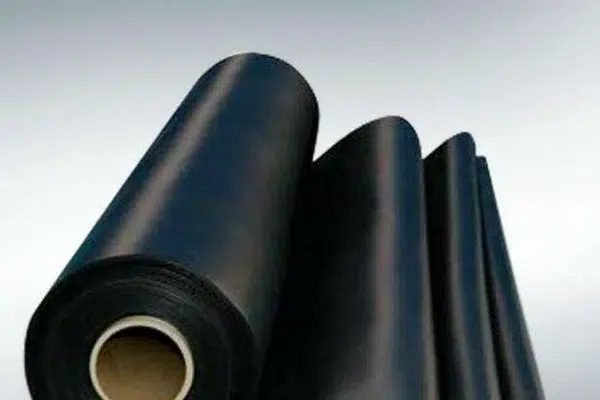
Geomembrane material for seam inspection discussion

Geomembrane Leak Testing: Vacuum Box, Air Channel, and Spark Testing Basics

Choosing the wrong geomembrane seam testing specification can create material waste, site delays, and performance risk before the project reaches its intended service life. Geomembrane Seam Testing should be selected for its required function in containment liners, ponds, landfill cells, mining pads, and industrial lining. Buyers should compare the application condition, controlling specifications, installation method,

Geomembrane Leak Testing: Vacuum Box, Air Channel, and Spark Testing Basics Read More »

Textured geomembrane for mining containment

Geomembrana para Mineria: Uses in Leach Pads, Ponds, and Tailings

Choosing the wrong mining geomembrane liner specification can create material waste, site delays, and performance risk before the project reaches its intended service life. Mining Geomembrane Liner should be selected for its required function in leach pads, process ponds, tailings containment, solution channels, and mining water-management systems. Buyers should compare the application condition, controlling specifications,

Geomembrana para Mineria: Uses in Leach Pads, Ponds, and Tailings Read More »

Geomembrane liner material for polymer comparison

HDPE vs LLDPE vs LDPE Liners: Which Material Fits Your Project?

Choosing the wrong HDPE, LLDPE, and LDPE geomembrane liners specification can create material waste, site delays, and performance risk before the project reaches its intended service life. Hdpe, Lldpe, And Ldpe Geomembrane Liners should be selected for its required function in ponds, containment, landfill, mining, industrial, and irregular-subgrade liner projects. Buyers should compare the application

HDPE vs LLDPE vs LDPE Liners: Which Material Fits Your Project? Read More »

HDPE geomembrane liner for containment material review

HDPE Geomembrane Liner: Material Properties Buyers Should Verify

Choosing the wrong HDPE geomembrane liner specification can create material waste, site delays, and performance risk before the project reaches its intended service life. Hdpe Geomembrane Liner should be selected for its required function in pond lining, landfill containment, mining, and industrial containment. Buyers should compare the application condition, controlling specifications, installation method, and supplier

HDPE Geomembrane Liner: Material Properties Buyers Should Verify Read More »

HDPE geomembrane rolls prepared for transport and delivery planning

Geomembrane Roll Size: Width, Length, Thickness, and Shipping Considerations

A geomembrane roll that is inexpensive to ship can still create extra seams, lifting problems, panel damage, and costly delays once it reaches the installation area. Geomembrane roll size should match the panel layout, liner thickness, installation equipment, access route, container-loading plan, and seam strategy. Wider or longer rolls can reduce field seams, but they

Geomembrane Roll Size: Width, Length, Thickness, and Shipping Considerations Read More »

Smooth HDPE geomembrane material for liner surface comparison

Smooth vs Textured Geomembrane: Differences, Cost, and Applications

A surface choice that looks minor on a quotation can affect slope stability, roll handling, seam planning, and the total installed liner cost. Smooth geomembrane is often considered for flat containment areas and interfaces where high friction is not required, while textured geomembrane is commonly reviewed for slopes or interfaces where friction affects the approved

Smooth vs Textured Geomembrane: Differences, Cost, and Applications Read More »

Geosynthetic clay liner roll for barrier layer selection in containment projects

Geosynthetic Clay Liner vs HDPE Geomembrane: When Each Layer Is Used

Choosing GCL or HDPE only by material price can leave a containment system with the wrong barrier role, poor seam planning, vulnerable overlaps, or a layer stack that does not match the approved design. Geosynthetic clay liner and HDPE geomembrane are different barrier components, not direct substitutes in every project. GCL is commonly considered for

Geosynthetic Clay Liner vs HDPE Geomembrane: When Each Layer Is Used Read More »

Textured HDPE geomembrane for slope and landfill interface friction review

Textured Geomembrane: When to Use It on Slopes and Landfills

A smooth liner can become a costly slope decision when interface friction, cover soil, drainage, and construction traffic were never checked before the material was ordered. Textured geomembrane is usually considered when a liner must work on a slope or against another material where interface friction affects stability. The final selection still depends on slope

Textured Geomembrane: When to Use It on Slopes and Landfills Read More »

en_USEnglish

Get Free Quote!