Road Construction

HDPE geocell panel for railway and embankment stabilization planning

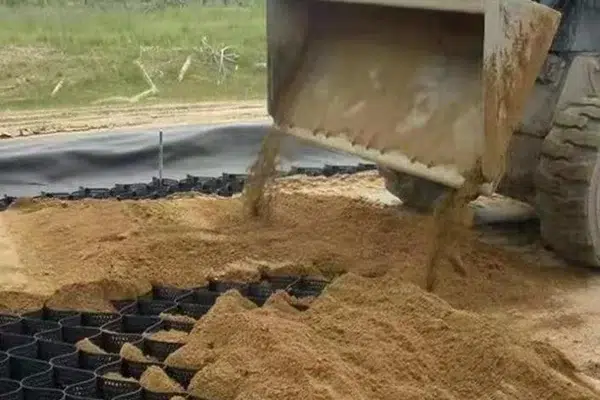
Geocell for Railway and Embankment Stabilization: Use Cases and Specs

Choosing the wrong HDPE geocell for railway and embankment stabilization specification can create material waste, site delays, and performance risk before the project reaches its intended service life. Hdpe Geocell For Railway And Embankment Stabilization should be selected for its required function in railway access routes, embankment shoulders, maintenance roads, and weak-subgrade base layers. Buyers […]

Geocell for Railway and Embankment Stabilization: Use Cases and Specs Read More »

Nonwoven Geotextile for CBR puncture resistance and aggregate protection

Geotextile CBR Puncture Resistance: How to Match Fabric to Aggregate and Subgrade

Choosing the wrong geotextile CBR puncture resistance specification can create material waste, site delays, and performance risk before the project reaches its intended service life. Geotextile Cbr Puncture Resistance should be selected for its required function in road bases, drainage layers, liner protection, aggregate cover, and weak-subgrade construction. Buyers should compare the application condition, controlling

Geotextile CBR Puncture Resistance: How to Match Fabric to Aggregate and Subgrade Read More »

Nonwoven geotextile for separating subgrade and aggregate layers

Geotextile Separation Layer: Preventing Subgrade Mixing in Road Projects

Choosing the wrong geotextile separation layer specification can create material waste, site delays, and performance risk before the project reaches its intended service life. Geotextile Separation Layer should be selected for its required function in road bases, access roads, parking areas, and weak-subgrade aggregate sections. Buyers should compare the application condition, controlling specifications, installation method,

Geotextile Separation Layer: Preventing Subgrade Mixing in Road Projects Read More »

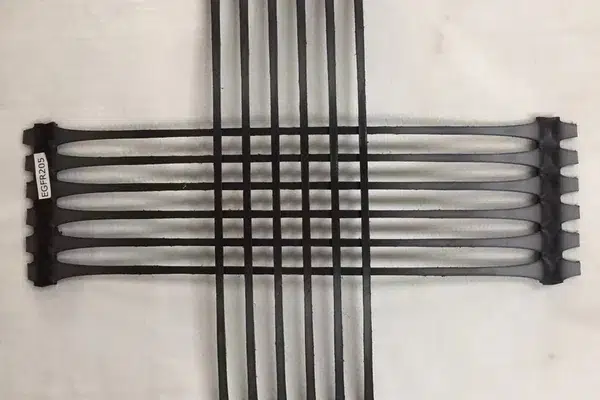
Fiberglass geogrid roll for asphalt reinforcement planning

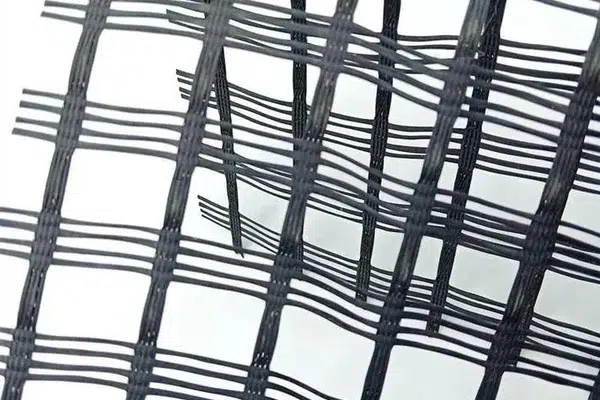
Fiberglass Geogrid for Asphalt Reinforcement: When to Use It and Why

Choosing the wrong fiberglass geogrid specification can create material waste, site delays, and performance risk before the project reaches its intended service life. Fiberglass Geogrid should be selected for its required function in asphalt overlays, pavement rehabilitation, and crack-reflection control details. Buyers should compare the application condition, controlling specifications, installation method, and supplier evidence before

Fiberglass Geogrid for Asphalt Reinforcement: When to Use It and Why Read More »

Biaxial geogrid material for pavement base stabilization and aggregate confinement

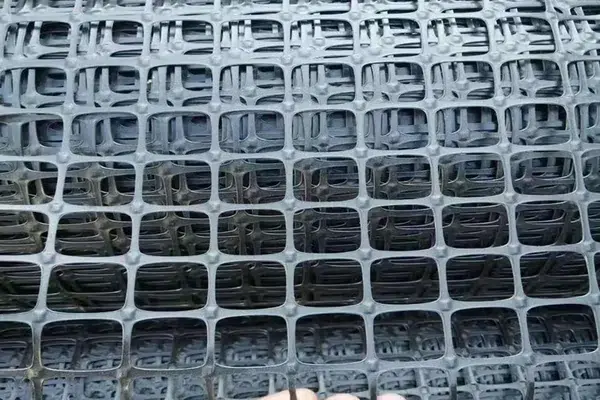
Geogrid for Pavement: Reducing Rutting and Improving Base Stability

A pavement geogrid cannot correct a weak, wet, or poorly built base when the subgrade, aggregate, drainage, and placement sequence were never defined. Geogrid for pavement can help control lateral aggregate movement and improve base stability when the grid aperture, aggregate, subgrade, base thickness, traffic, drainage, and placement method match the pavement design. It is

Geogrid for Pavement: Reducing Rutting and Improving Base Stability Read More »

Expanded HDPE geocell panel used for aggregate confinement and subgrade support

Geocell Panels: Size, Cell Depth, and Connection Details for Projects

A geocell panel can arrive with the requested depth and still create delay when the connection pattern, expanded size, infill, anchoring, and site layout were not confirmed before shipment. Geocell panels should be selected by application, cell depth, expanded panel size, weld spacing, material type, perforation, connection detail, infill, subgrade condition, load, and installation layout.

Geocell Panels: Size, Cell Depth, and Connection Details for Projects Read More »

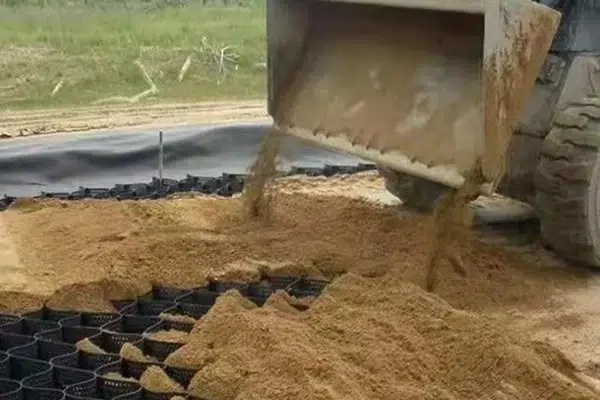
Expanded HDPE geocell used for soil stabilization and aggregate confinement planning

Geocell for Soil Stabilization: Uses and Selection Criteria

A geocell panel can improve soil support and aggregate confinement, but it cannot correct an undefined base section, weak saturated formation, or an installation method that lets the cells distort before infill is placed. Geocell can support soil stabilization when cell depth, weld pattern, infill, subgrade condition, drainage, anchoring, and construction traffic match the project.

Geocell for Soil Stabilization: Uses and Selection Criteria Read More »

Uniaxial geogrid roll for reinforcement direction and soil support review

Geogrid Reinforcement: How It Improves Soil and Aggregate Performance

Geogrid reinforcement can improve a soil or aggregate layer, but a roll with a high tensile value cannot compensate for the wrong direction, poor subgrade preparation, unsuitable aggregate, or an unplanned placement sequence. Geogrid reinforcement can improve load distribution, aggregate interaction, or soil support when the grid type, tensile direction, aperture structure, subgrade, aggregate, and

Geogrid Reinforcement: How It Improves Soil and Aggregate Performance Read More »

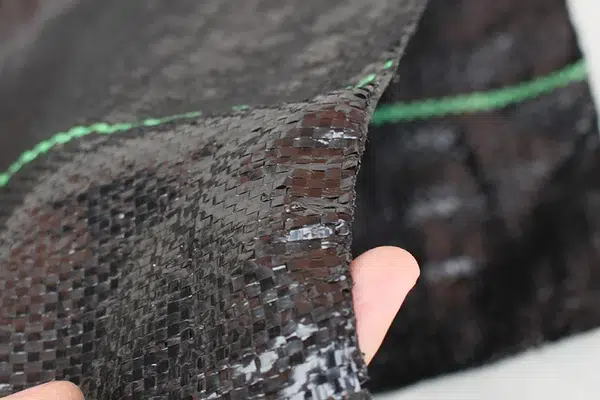
Woven polypropylene geotextile roll used for separation and stabilization planning

Woven Geotextile: Uses, Strength, and Differences from Nonwoven Fabric

Choosing woven geotextile by roll weight alone can leave a road, working platform, or separation layer with the wrong balance of strength, filtration, and installation durability. Woven geotextile is commonly considered when a project needs separation with relatively high tensile strength, controlled elongation, or support beneath aggregate. The correct fabric still depends on the soil,

Woven Geotextile: Uses, Strength, and Differences from Nonwoven Fabric Read More »

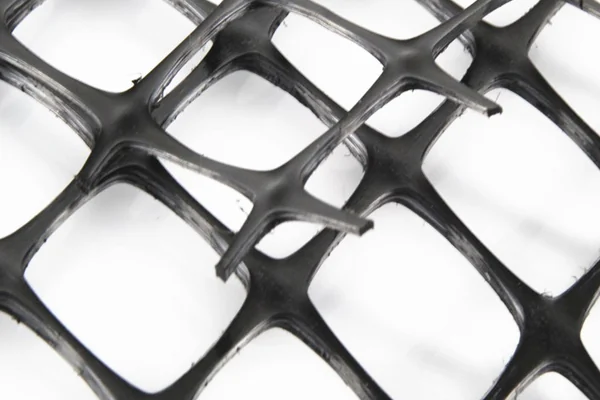
Open geogrid apertures used to review aggregate interlock and road-base stabilization

Triaxial Geogrid: When It Helps Road Base and Pavement Stabilization

Road base problems are often blamed on the visible surface, while the real decision was made earlier in the subgrade, aggregate, and reinforcement layer. Triaxial geogrid can be useful for road base and pavement stabilization when its aperture structure, aggregate, subgrade condition, construction traffic, and layer design work together. It is not a universal replacement

Triaxial Geogrid: When It Helps Road Base and Pavement Stabilization Read More »

en_USEnglish

Get Free Quote!