July 27, 2026

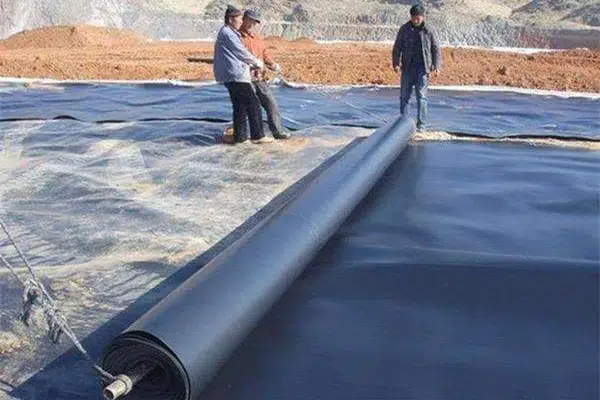
HDPE geomembrane rolls prepared for transport and delivery planning

Geomembrane Roll Size: Width, Length, Thickness, and Shipping Considerations

A geomembrane roll that is inexpensive to ship can still create extra seams, lifting problems, panel damage, and costly delays once it reaches the installation area. Geomembrane roll size should match the panel layout, liner thickness, installation equipment, access route, container-loading plan, and seam strategy. Wider or longer rolls can reduce field seams, but they […]

Geomembrane Roll Size: Width, Length, Thickness, and Shipping Considerations Read More »

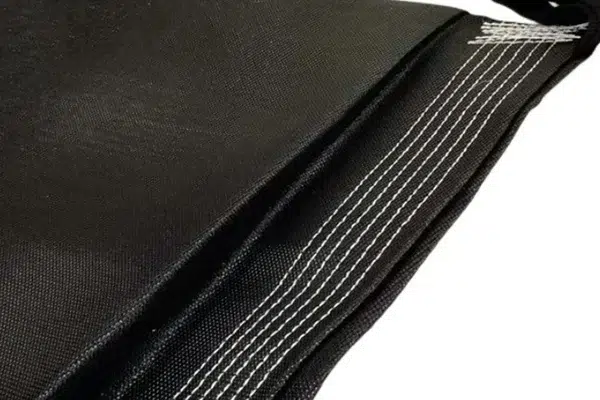
Geotextile tube for dewatering and solids containment discussion

Geotube Technology: Dewatering Process, Fabric Selection, and Project Checks

A dewatering tube can become an expensive site problem when slurry condition, conditioning, filling pressure, fabric selection, filtrate control, and available footprint were never confirmed. Geotube technology uses a permeable geotextile tube to contain solids while water drains through the fabric under a controlled filling and dewatering process. The final fabric and operating plan depend

Geotube Technology: Dewatering Process, Fabric Selection, and Project Checks Read More »

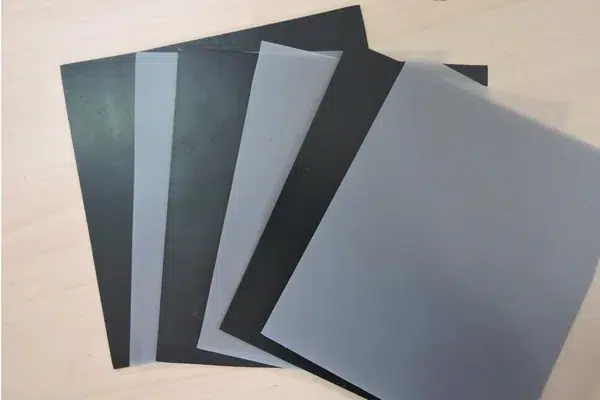
Smooth HDPE geomembrane material for liner surface comparison

Smooth vs Textured Geomembrane: Differences, Cost, and Applications

A surface choice that looks minor on a quotation can affect slope stability, roll handling, seam planning, and the total installed liner cost. Smooth geomembrane is often considered for flat containment areas and interfaces where high friction is not required, while textured geomembrane is commonly reviewed for slopes or interfaces where friction affects the approved

Smooth vs Textured Geomembrane: Differences, Cost, and Applications Read More »

en_USEnglish

Get Free Quote!