A geomembrane roll that is inexpensive to ship can still create extra seams, lifting problems, panel damage, and costly delays once it reaches the installation area.
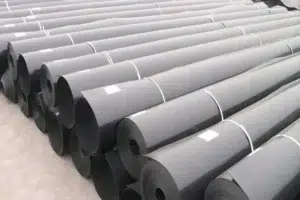
Geomembrane roll size should match the panel layout, liner thickness, installation equipment, access route, container-loading plan, and seam strategy. Wider or longer rolls can reduce field seams, but they also increase roll mass, handling difficulty, turning radius, and the risk of damage when the site has limited access.
Before comparing a quoted roll width or length, buyers should review how the material will travel from the container to the prepared subgrade and how each panel will be placed, welded, inspected, and protected.
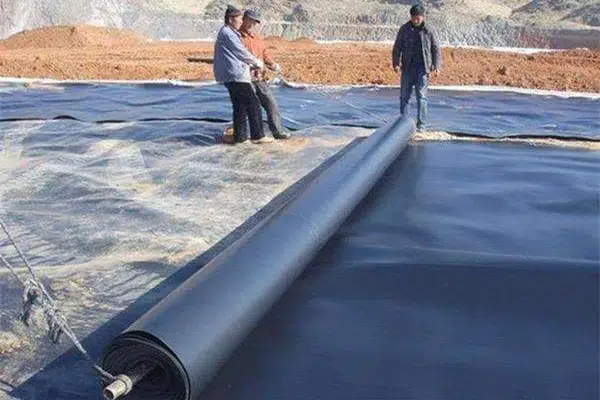
Send the liner layout, thickness, site access, lift plan, container destination, quantity, and required documents for a practical RFQ review.
Request a geomembrane roll checkA geomembrane roll-size RFQ should include application, liner thickness, surface type, panel drawing, target roll width and length, slope geometry, access route, installation equipment, quantity, destination port, container preference, packaging, labels, and required test documents.
What Does the Project Need the Material to Do?
Roll dimensions affect field seams, panel layout, transport, lifting, storage, and installation efficiency; the best size is the one that fits the project workflow rather than the largest possible roll.
GRI GM13 identifies commonly reviewed HDPE geomembrane properties and quality-control frequencies, while roll size is a supply and installation decision that must be aligned with the project layout and equipment. [1]
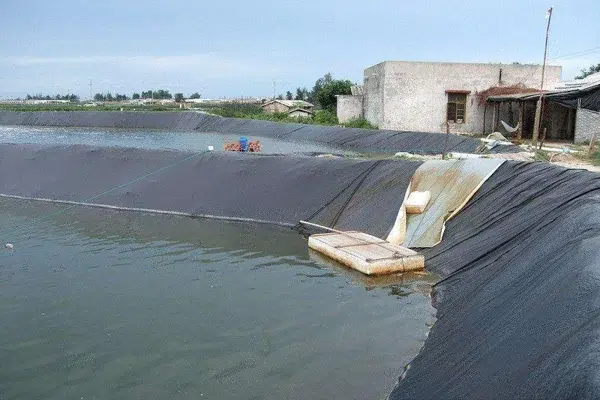
A wider roll can reduce seam length on a large open pond or landfill cell. On a narrow corridor, steep slope, remote mine, or confined industrial site, that same roll may be hard to unload, turn, or deploy without dragging the liner across rough ground.
Thickness also changes handling. The roll mass, stiffness, winding, and required lifting control can change as the liner gauge and dimensions increase. A quotation should not assume that the same field equipment suits every roll configuration.
Which Conditions Change the Recommendation?
Panel geometry, slope length, access width, lifting equipment, storage area, wind exposure, container type, and installation sequence can change the practical roll recommendation.
Flat containment floors may accept long panels if the laydown area is clear and the crew can control the roll. Slopes may need panel directions and seams that follow the approved design, which can limit the usable width or length even when a larger roll is available.
ASTM D6392 covers destructive testing of nonreinforced geomembrane seams. Fewer seams can simplify production, but seam location, access, trial seams, inspection, and repairs still require a workable field plan. [2]
Shipping conditions matter before the material reaches site. Confirm container loading, roll supports, edge protection, labels, unloading method, temporary storage, and the route from the delivery point to the installation area.
| Project condition | What to confirm | Risk if missed |
|---|---|---|
| Large open pond floor | Panel layout, roll mass, lift plan | Uncontrolled rolls or unnecessary seams |
| Landfill or mining slope | Slope direction, seams, anchorage, access | Panels cannot be placed or welded safely |
| Remote project | Container, road limits, unloading equipment | Rolls cannot be moved to the work area |
| Confined industrial site | Access width, storage, deployment path | Liner is damaged during turning or staging |
Which Specification Variables Matter Most?
Confirm roll width, length, thickness, surface configuration, nominal area, roll mass, core or winding detail, labels, packaging, and panel tolerances as one supply package.
A quoted square-meter price can hide a different roll configuration or usable coverage. Compare the nominal area, expected panel waste, layout efficiency, and any field trimming required around penetrations, corners, or anchor trenches. [3]
Do not select width only by the number on a product sheet. The panel plan should account for overlap or welding allowance, slope transitions, access, seam testing locations, and practical placement direction.
Ask the supplier to state the roll dimensions, surface type, thickness, package method, labels, and batch traceability in the quotation. These details make it easier to compare like-for-like offers.
How Can Installation Create Rework?
A roll should be unloaded, staged, and deployed with equipment and routes that keep the liner clean, supported, and free from sharp-object damage before welding begins.
Prepare a clean staging area and confirm how rolls will be lifted, moved, and unrolled. Do not rely on a delivery crane or forklift that cannot reach the placement zone, especially on soft subgrade or near a slope crest.
ASTM D4833 provides an index puncture test method for geosynthetics. It can support product comparison, but site protection still depends on subgrade preparation, handling, cover placement, and the project detail. [3]
Factory Tip: A frequent RFQ mistake is requesting the widest roll available before checking the container plan and the site lifting route. The right roll is the largest panel the project can move, place, and weld under control.
What Should Buyers Compare Before Ordering?
Compare installed coverage, roll mass, seam reduction, container loading, handling equipment, package protection, documents, and expected site waste instead of only price per square meter.
A low price can be based on a roll length that does not fit the container plan or a width that the site cannot safely deploy. Additional seams, rehandling, damage repair, or local equipment hire can erase the apparent saving.
QC Check: Before release, review the approved panel layout, roll schedule, dimensions, thickness, texture, roll labels, packaging, loading photographs if required, batch traceability, unloading plan, and project test documents.
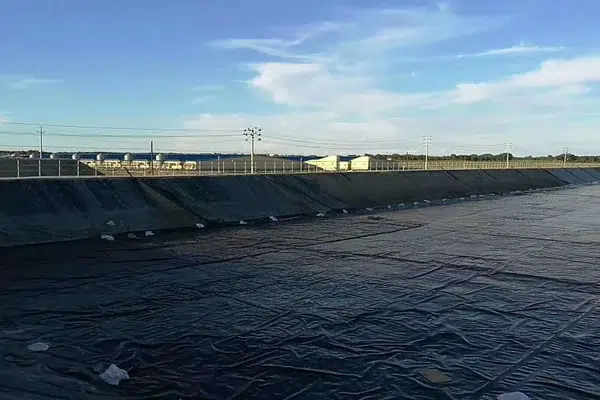
EPA describes landfill liner systems as connected components with drainage and leachate management. For those projects, roll planning should support the full liner layout and construction sequence, not a generic shipping preference. [4]
What Should Be Included in an RFQ?
Send the application drawing, panel layout, liner type and thickness, roll preference, slope and access details, lift equipment, quantity, destination, container request, packaging, and required documents.
The supplier can identify practical roll and packing options, while the responsible engineer and installer should confirm the final panel layout, seam locations, and installation method.
Buyers can compare an HDPE geomembrane liner, review landfill liner application details, and send the layout through the geomembrane RFQ form.
FAQs
Does a wider geomembrane roll always reduce cost?
Not always. A wider panel can reduce seams, but it may require more handling capacity, create access problems, increase damage risk, or fit poorly in the panel layout.
What information is needed to choose roll length?
Provide the panel layout, thickness, surface type, slope geometry, access route, lifting equipment, container plan, storage area, and installation sequence.
Should roll size be confirmed before or after liner thickness?
Confirm them together. Thickness affects roll mass and handling, while layout and installation access affect which dimensions can be used safely.
Conclusion
Geomembrane roll size is a construction and logistics choice, not just a catalog specification. Align width, length, thickness, panel layout, seam plan, container loading, lifting, and site access before confirming the order.