A surface choice that looks minor on a quotation can affect slope stability, roll handling, seam planning, and the total installed liner cost.
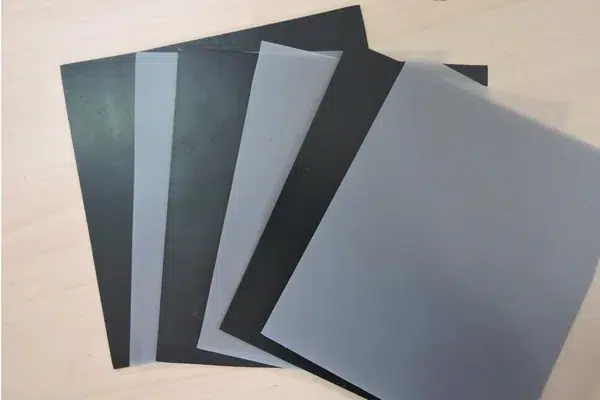
Smooth geomembrane is often considered for flat containment areas and interfaces where high friction is not required, while textured geomembrane is commonly reviewed for slopes or interfaces where friction affects the approved design. The final choice depends on slope, adjacent materials, drainage, thickness, seams, and project requirements.
Buyers should compare the material within the full liner system, because texture, thickness, protection, anchorage, and welding access are connected decisions.
Send the slope section, adjacent layers, thickness, drainage detail, quantity, destination, and required documents for an RFQ review.
Request a liner surface checkA surface-selection RFQ should state the application, slope, adjacent material, liner thickness, smooth or one-sided/two-sided texture, panel layout, seam plan, roll size, quantity, destination, packaging, and required documents.
What Does the Project Need the Material to Do?
Smooth and textured geomembranes serve different interface conditions; neither surface is automatically better without the project layer stack and design.
GRI GM13 provides a reference for HDPE geomembrane properties and test frequencies, but it does not choose the required surface for a particular slope or containment detail. [1]
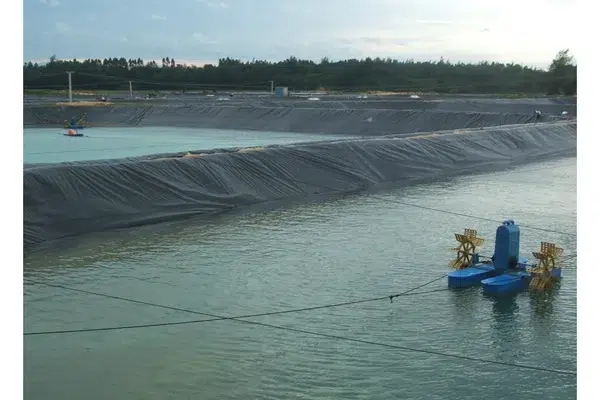
Smooth material can be a practical choice for flat pond floors, tank pads, or other areas where the controlling risks are puncture protection, seams, and subgrade preparation. Textured material can be relevant where soil, drainage material, or another geosynthetic must resist movement along the liner interface.
The project design should define the final surface requirement. A product description alone is not a substitute for a stability assessment or approved containment section.
Which Conditions Change the Recommendation?
Slope angle, cover material, normal load, water condition, panel direction, and construction access can all change the surface recommendation.
A landfill side slope with soil cover, a mining pad, and a flat water reservoir may use the same polymer family but have different interface conditions. Drainage layers and wet conditions may also change the effective stress and practical installation window.
ASTM D5321 evaluates soil-geosynthetic or geosynthetic-geosynthetic interface shear under stated conditions. A test result should be tied to the actual materials and design conditions, rather than treated as a universal friction value. [2]
Construction traffic is another control. A suitable surface can still be scuffed, contaminated, or difficult to weld if panels, cover placement, and access routes are not planned.
| Project condition | What to confirm | Risk if missed |
|---|---|---|
| Flat containment floor | Puncture protection, seams, drainage | Unnecessary texture cost or weak protection |
| Lined slope | Interface materials, slope, anchorage | Sliding or difficult cover placement |
| Landfill side slope | Drainage, cover soil, panel direction | Poor interface or seam access |
| Industrial pad | Chemical exposure, thickness, installation | Surface choice made without system review |
Which Specification Variables Matter Most?
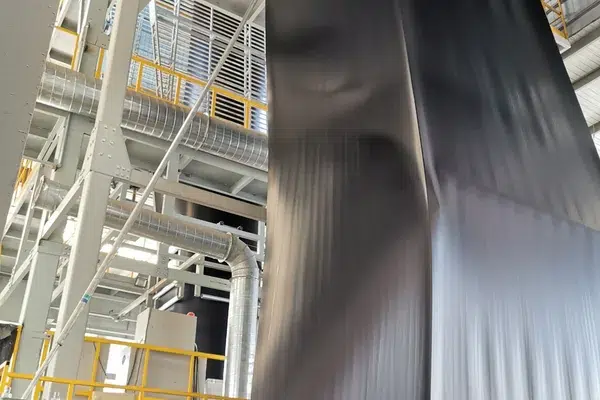
Buyers should confirm surface type, thickness, roll dimensions, test basis, panel layout, and seam requirements together rather than comparing price per square meter alone.
ASTM D6392 addresses destructive testing of nonreinforced geomembrane seams. Seam control remains necessary for smooth and textured material, and the field plan should state trial seams, testing, repairs, and records. [3]
Texture does not replace liner thickness selection or a protective geotextile where subgrade and aggregate create puncture risk. Likewise, a thicker liner does not automatically remove the need to review interface friction on a slope.
Ask whether the quote is for smooth, one-sided texture, or two-sided texture. These configurations can have different cost, handling, and interface roles.
How Can Installation Create Rework?
Panel layout, seam access, surface cleanliness, cover placement, and anchorage determine whether the selected liner can be installed and inspected as intended.
Avoid a layout that forces seams into inaccessible slope locations or creates unnecessary cross-slope welding. The working surface should remain clean and protected before seams are made and inspected.
The cover sequence should control dragging, sharp aggregate, and heavy equipment. Texture can help an interface but cannot correct a damaged membrane or a poorly prepared subgrade.
Field Note: A common quotation error is to request “textured HDPE” without saying which face, what cover material, or what slope. Those details decide whether the quoted surface actually fits the project.
What Should Buyers Compare Before Ordering?
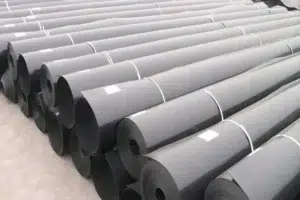
Compare usable installed coverage, surface configuration, thickness, documents, roll handling, seam plan, and protection requirements instead of only material price.
A low price can be a different surface type, roll width, packaging, or documentation scope. The practical comparison is the liner system delivered to site, not only the nominal square-meter rate. Include panel waste and access constraints in the comparison.
QC Check: Review the data sheet, surface configuration, roll dimensions, labels, batch traceability, packaging, required test reports, and panel layout before production release.
For landfill systems, EPA describes liners, drainage, and leachate management as connected components. Surface selection should be reviewed with those adjacent layers. [4]
What Should Be Included in an RFQ?
Send the section drawing, slope, layer stack, target thickness, surface requirement, seam plan, quantity, destination, packaging, and project-required test documents.
The supplier can help identify missing commercial information, while the responsible engineer should confirm the final liner and interface requirements for the project.
Buyers can compare an HDPE geomembrane liner, review the landfill liner application, and submit the drawing through the geomembrane RFQ form.
FAQs
Is textured geomembrane always better on slopes?
No. The final choice depends on the interface materials, slope, drainage, normal load, liner configuration, construction method, and approved design.
Does texture replace geotextile protection?
No. Texture and puncture protection are different functions. Underlay or cover protection should be selected from the subgrade, aggregate, liner, and installation conditions.
Why does smooth versus textured price differ?
Surface configuration, thickness, roll size, documentation, packaging, and project requirements can all affect the quotation. Compare like-for-like material and installed coverage.
Conclusion
Smooth versus textured geomembrane is an interface and installation decision. Confirm slope, adjacent layers, surface configuration, thickness, protection, seams, and panel layout before comparing price.