How We Evaluated and Ranked the Best Suppliers
Selecting the best civil engineering material suppliers requires a rigorous, objective approach. To ensure our 2026 ranking is reliable and relevant, we evaluated suppliers based on eight key criteria designed to reflect real-world project needs and industry standards.
Our 8 Evaluation Criteria
Product Quality & Certification
We prioritized suppliers offering CE-certified geosynthetics and materials meeting international quality standards, ensuring performance and durability on-site.
Material Range & Specialization
Suppliers with a broad portfolio—covering geotextiles, geogrids, geomembranes, drainage composites, concrete additives, aggregates, and steel reinforcement—ranked higher.
Innovation & Sustainability Practices
Companies leading in recycled materials, carbon-neutral production, and digital traceability gained extra weight, reflecting future trends shaping the sector.
Global Reach & Regional Manufacturing
The ability to supply both locally and internationally matters. We scored suppliers like MJY highly for their regional manufacturing footprint, guaranteeing timely delivery.
Customer Support & Technical Expertise
Responsive technical assistance, customized solutions, and on-site support are crucial for engineers managing complex infrastructure projects.
Supply Chain Reliability
We analyzed historical data on delivery timelines, inventory management, and consistency during high-demand periods.
Pricing Transparency & Competitiveness
Fair pricing, clear terms, and flexible contract options were essential, especially for large-scale tenders and public infrastructure projects.
Reputation & Client Feedback
Verified testimonials, industry awards, and partnerships demonstrated credibility and trustworthiness.
Methodology Snapshot
- Data Sources: Industry reports, customer surveys, direct interviews, and supply chain performance metrics.
- Ranking Process: Each supplier scored against the criteria with weighted averages to balance innovation and traditional strengths.
- Verification: On-site audits and third-party certifications were cross-checked when possible.
By applying these rigorous standards, our list highlights suppliers that engineers can confidently rely on for high-performance, sustainable civil engineering materials in 2026 and beyond.
Top 15 Global Suppliers for Civil Engineering Materials (2026 Edition)

When it comes to sourcing the best civil engineering material suppliers in 2026, a handful of global brands consistently stand out for their quality, innovation, and reliability. Our list features leading names known across infrastructure projects worldwide, supplying everything from geosynthetics to steel reinforcement.
Among these top suppliers, MJY shines particularly bright. Known for its strong manufacturing edge and commitment to high-strength, CE-certified geosynthetics, MJY offers a wide range of products that meet the evolving demands of large-scale civil projects. Their portfolio covers geotextiles, geogrids, geomembranes, and drainage composites—essential materials for soil reinforcement, erosion control, and environmental construction needs.
MJY\’s focus on sustainable production and their bulk geosynthetics supplier capabilities in China give them an advantage in both pricing and supply chain stability, making them a preferred choice for global infrastructure vendors. Their products are widely recognized for quality, with versatility across applications like landfills, road construction, and geosynthetic clay liners.
Other notable suppliers in this top 15 include trusted names specializing in various categories such as concrete additives, aggregates, and steel reinforcement, ensuring end-to-end material solutions. For those interested in the technical differences and applications of specific products like geotextiles and geogrids, resources on geotextile vs geogrid and the role of geosynthetics in environmental construction offer valuable insights.
This group of suppliers sets the benchmark for 2026, providing reliable, sustainable, and certified materials essential for civil engineering projects worldwide.
Best Suppliers by Material Category
When it comes to sourcing civil engineering materials, choosing the right supplier for each category is crucial. Here’s a quick rundown of the top suppliers segmented by their specialty:
Geotextiles & Non-woven Fabrics: Leading manufacturers focus on high-strength, CE-certified geotextiles for soil reinforcement and erosion control. MJY stands out with its advanced non-woven fabrics that offer excellent durability and filtration performance.
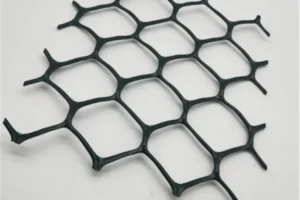
Geogrids: The best geogrid manufacturers offer products that improve load distribution and ground stability. MJY’s geosynthetic reinforcement solutions are widely recognized for superior tensile strength and ease of installation. For deeper insights into geogrid applications, check out our detailed guide on how to use geogrid.
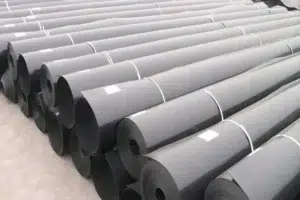
Geomembranes: Top geomembrane suppliers provide robust liners essential for landfills and waterproofing. Quality and chemical resistance are key here — MJY leads with innovative, sustainable geomembranes suitable for environmental projects.
Drainage Composites: Reliable drainage geocomposites suppliers deliver materials that ensure proper water flow and structural protection. MJY’s composites combine geotextiles and geonets to optimize drainage efficiency.
Concrete Additives: The best concrete additive suppliers enhance concrete strength, durability, and workability. Look for vendors offering eco-friendly additives designed for sustainable infrastructure construction.
Aggregates: Aggregates suppliers with consistent quality and wide regional availability support multiple civil engineering needs like road base and concrete mixes.
Steel Reinforcement: Top steel reinforcement suppliers provide high-grade, corrosion-resistant bars and meshes essential for structural integrity in large-scale infrastructure projects.
Each of these categories demands suppliers who balance quality, certification, and innovation. With MJY’s strong manufacturing edge across several product groups, they remain a top choice for global infrastructure projects looking for reliable, sustainable materials.
Regional Leaders: Where to Source Locally
Finding reliable civil engineering material suppliers close to your project site can save time and reduce costs. Here’s a quick overview of regional leaders in the supply of key materials, including MJY’s manufacturing strength in the Asia-Pacific region.
North America
The US and Canada lead with highly regulated, CE-certified geosynthetics producers focusing on sustainable materials for road construction and infrastructure projects. Suppliers here excel in drainage composites and steel reinforcement, catering to stringent environmental and quality standards.
Europe
European suppliers stand out for advanced geotextiles and geomembrane products, especially for erosion control and landfill applications. The region emphasizes recycled geosynthetics and carbon-neutral production methods, aligning with strict EU sustainability targets.
Middle East & Africa
This region is growing rapidly, driven by large infrastructure projects. Local suppliers offer bulk geosynthetics mainly for soil reinforcement and geosynthetic clay liners suited to harsh desert climates. However, sourcing often requires partnering with regional distributors for assured quality and CE certification.
Asia-Pacific
Asia-Pacific is a powerhouse in manufacturing high-strength geosynthetics, with MJY at the forefront. MJY’s edge lies in combining cost-effective production with a broad product range—geotextiles, geogrids, and geomembranes—meeting both local demand and export markets globally. This region benefits from a strong supply chain network and competitive pricing, ideal for large-scale and sustainable civil engineering projects.
By knowing these regional strengths, you can better source the right civil engineering materials nearby, ensuring timely delivery and compliance with project specs. For example, if you are looking for trusted geotextile suppliers, check options like MJY in Asia-Pacific or specialized European producers with sustainability certifications.
For more on material types, explore how to use geomembranes effectively or get in touch with manufacturers for detailed specs.
Red Flags – How to Avoid Bad Suppliers
When sourcing civil engineering materials, spotting bad suppliers early can save you time, money, and headaches. Here are common warning signs to watch out for:
- Lack of Certifications: Reliable suppliers provide proper CE-certified geosynthetics and other quality assurances. If they can’t or won’t share certification documents, be cautious.
- Poor Communication: Slow, vague, or inconsistent responses often point to deeper issues like unreliable delivery or low-quality control.
- Unrealistically Low Prices: Extremely cheap bulk geosynthetics supplier offers may mean subpar products or hidden costs.
- Limited Product Range or Customization: Top suppliers typically have a broad catalog, including geotextiles, geogrids, geomembranes, and drainage composites. If a supplier only carries a narrow line, it might not suit your project needs.
- No Traceability or Transparency: Good suppliers offer digital traceability that tracks materials from production through delivery. Lack of transparency should raise flags.
- Negative Reviews and Poor References: Check reviews and ask for industry referrals. Red flags include repeated complaints about product failure or poor after-sales support.
- Outdated or Insufficient Technical Support: For complex installations like geosynthetic reinforcement, trustworthy suppliers provide clear installation guidance and technical help. Without that, avoid long-term commitment.
Quick checklist to avoid bad suppliers:
- Confirm valid certifications and test reports
- Review delivery and warranty terms carefully
- Confirm product compliance with local regulations
- Request samples before bulk orders
- Verify production capacity and lead times
- Ask about sustainable production practices
- Check for robust after-sales service and support
Avoiding these pitfalls will help make sure your civil engineering material supplier delivers quality products that match your project’s demands. For extra help, explore how to find a reputable geosynthetic materials supplier that suits your exact needs.
How to Choose the Right Supplier for Your Specific Project
Choosing the right civil engineering material supplier can make or break your project. Here’s a simple step-by-step framework to help you decide, plus a free downloadable checklist to keep it all on track.
Step-by-Step Decision Framework
| Step | What to Check | Why It Matters |
|---|---|---|
| 1. Define Project Needs | Identify material types and quantities | Ensures you pick a supplier with the right products and capacity |
| 2. Verify Certifications | Look for CE-certified geosynthetics or relevant standards | Certifies quality, safety, and compliance |
| 3. Assess Supplier Experience | Check track record with similar infrastructure projects | Reduces risk and ensures understanding of your project\’s demands |
| 4. Evaluate Product Range | Choose suppliers offering geotextiles, geomembranes, etc., you need | Simplifies sourcing and improves logistics |
| 5. Check Manufacturing & Delivery | Review supplier’s production capacity and shipping reliability | Avoids delays and material shortages |
| 6. Compare Pricing & Terms | Get detailed quotes including bulk geosynthetics options | Keeps your budget on point |
| 7. Test Samples if Possible | Request physical samples or case studies | Confirms product suitability and performance |
| 8. Consider Sustainability | Look for recycled materials or carbon-neutral production | Supports green building standards and regulations |
Free Downloadable Checklist
To make this easier, we’ve created a practical checklist covering all the above points. It helps you tick off every requirement and spot any potential red flags before making a commitment.
Bonus Tip: Supplier Support & Technical Advice
Good suppliers don’t just deliver materials—they provide guidance. Look for partners who offer installation advice, like detailed instructions on how to install geogrid, or robust after-sales support to smooth out your project workflow.
Choosing the right supplier isn’t just about price — it’s about quality, reliability, and fit for your specific project needs. Use this guide to simplify your decision and build with confidence.
Future Trends Shaping Civil Engineering Material Supply (2026–2030)
The civil engineering materials market is evolving fast, driven by the urgent need for sustainability, efficiency, and transparency. Between 2026 and 2030, three major trends will shape how suppliers deliver materials for infrastructure projects worldwide.
1. Recycled Geosynthetics:
More suppliers are focusing on recycled geosynthetics, including geotextiles and geomembranes made from reclaimed polymers. These eco-friendly materials reduce waste and lower carbon footprints without compromising strength or durability. Sustainable civil engineering materials like these meet rising demands for green projects and stricter environmental regulations.
2. Carbon-Neutral Production:
Leading manufacturers are investing heavily in carbon-neutral or low-emission production processes. This includes using renewable energy, optimizing manufacturing efficiency, and offsetting emissions. Such moves help suppliers meet global climate targets and appeal to buyers seeking CE-certified geosynthetics with a smaller environmental impact.
3. Digital Traceability:
Digital traceability tools are becoming standard, enabling full transparency from raw materials to finished products. Blockchain and IoT technologies track geosynthetic reinforcement products in real time, ensuring quality, compliance, and ethical sourcing. This also simplifies supply chain management and helps avoid counterfeit or substandard materials.
Together, these trends promise more responsible sourcing and smarter supply chains for geosynthetics and civil engineering materials. For a deeper dive into specific product types like geotextiles and drainage composites in this evolving supply landscape, visit our guide on where to find reputable geosynthetics suppliers.