A strong geotextile can arrive compliant and still be mishandled during a long wait beside the work area.
There is no universal safe outdoor exposure period for every geotextile. Polymer, stabilization, climate, packaging and project requirements all matter. ASTM D4355/D4355M compares deterioration under controlled light, moisture and heat exposure; it does not turn laboratory hours into a guaranteed number of days on site. Keep rolls protected and plan prompt cover.
Procurement should treat storage and the construction programme as part of the specification, especially for remote projects with uncertain installation dates.
Send your project drawings, technical specifications, quantities and destination for material-fit review before quotation.
Send drawings and specificationsWhat Does a UV Test Tell a Buyer?
ASTM D4355/D4355M exposes geotextile specimens in a xenon-arc apparatus and evaluates deterioration. It is useful for comparing stated resistance under a controlled method. The result is not a direct weather forecast for a hot, humid or high-altitude site, and it does not cover every damage mechanism during storage. Read the test duration, retained property and report date, not simply 'UV resistant' on a brochure. Ask whether the result belongs to the same material grade and polymer as the quoted roll. A different coating, colour or production construction may make a copied report irrelevant. [1] [3]
How Should Rolls Be Stored Before Deployment?
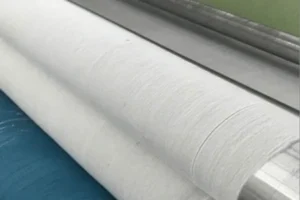
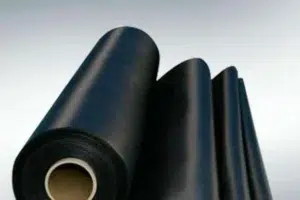
Retain protective wrapping until the roll is needed, keep rolls above standing water and sharp debris, and use equipment that will not tear the fabric or crush the core. FHWA guidance for geotextile rolls calls for protective sheeting against shipment damage, contamination and sunlight. A stockyard exposed to traffic and wind deserves its own layout. Mark each roll ID so a damaged or unwrapped roll can be quarantined rather than silently mixed into the installation sequence. If storage exceeds the project allowance, ask the engineer what inspection or retesting is required. [2]
| Check | What it tells you | What it does not prove |
|---|---|---|
| ASTM D4355/D4355M | Controlled exposure deterioration | Not a calendar-day site guarantee |
| Roll inspection | Wrapping and visible damage | Cannot prove hidden mechanical strength |
| Project cover limit | Construction exposure control | Needs approved method statement |
The comparison is a procurement screen, not a replacement for the approved engineering design. A test method defines how a property is measured; acceptance thresholds and the site detail must come from the project specification.
Which Exposure Happens After the Roll Is Opened?
The more difficult interval may be between deployment and cover. A crew can open a large area, then lose several days to rain, excavation or delayed aggregate. Put the maximum exposed area and cover sequence in the method statement. Secure the edges, limit site traffic and inspect after high winds. Avoid a blanket promise that a fabric can remain exposed for a set number of days; the acceptance threshold is material- and project-specific. For a temporary exposed application, the geotextile may need a different product selection entirely. [1]
What Should Distributors Ask Before Container Loading?
Confirm the order's production grade, roll labels, wrapping, pallet or core protection, container loading plan and intended storage duration after arrival. Two equally priced fabrics can have very different exposure documentation and packaging. Ask the supplier to state exactly what the quoted test report covers, including the tested material and test method. The importer should also know who is responsible for replacing torn wrapping after customs inspection. That practical question often prevents disputes that a generic certificate cannot resolve. [2]
What Should the Site Team Verify Before Work Starts?
Make the construction schedule explicit: planned arrival, storage location, deployment date, maximum open area and cover crew readiness. Designate a person to inspect rolls when they arrive and again when wrapping is removed. If the project pauses, record which roll IDs have been exposed and for how long; do not rely on memory after several weeks. Check whether a partially used roll can be rewrapped without trapping wet soil against the fabric. Where a distributor splits a container for several projects, preserve the manufacturer’s batch traceability through each resale. This simple chain of custody is more useful than a generic promise that every roll has the same outdoor life, especially when climates and storage practices differ.
What Should Be in the RFQ?
Provide polymer and fabric type, expected storage duration, installation season, exposure period before cover, required retained-property criteria, roll size, packaging, quantity and destination. Ask MJY for geotextile roll options and grade-specific test documents. Include who receives and inspects rolls at the site gate.
For the connected design check, review our geotextile installation and storage checks guide before approving a material substitution.
For a fair quotation, ask each supplier to state the proposed grade, tested properties, test edition, usable roll dimensions, packaging, batch identification, lead time and exclusions. Put the drawing revision and destination on the inquiry. If a proposed substitute changes an engineered detail, request written design approval rather than treating it as a price-only decision.
Factory Tip and Buyer Check
Buyer Check: Photograph the roll label and wrapper at receipt, not only the product after installation. If a delayed project later questions exposure, traceable receipt records separate a shipment problem from a site-storage problem.
Before bulk production, compare the labelled sample or approved data sheet against the purchase specification. At goods receipt, keep roll IDs and packaging photographs. These small controls make a later site question traceable instead of turning it into an argument about what was ordered.
FAQs
Do 500 laboratory hours equal 500 outdoor hours?
No. The laboratory exposure is controlled and should not be converted directly into site days.
Can rolls be stored unwrapped under a roof?
Check the project specification and protect from contamination, water and mechanical damage.
Should exposed fabric always be discarded?
Not automatically. Inspection, acceptance or retesting should follow the approved project procedure.
Conclusion
UV resistance is a material property within a storage plan, not a substitute for that plan. Send MJY the project programme, technical specification and roll quantities so packaging and data-sheet review can be completed before shipment.