HDPE geocells can stabilize weak ground, but wrong cell height or weak welds can turn a good design into site rework.
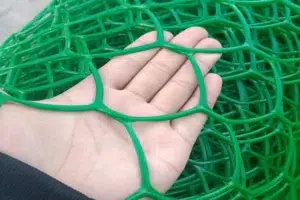
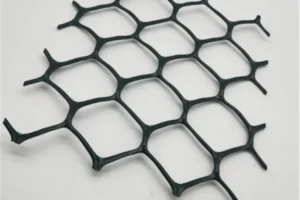
HDPE geocells, also searched as geoceldas, are cellular confinement systems used for road base support, slope protection, erosion control, channels, and weak soil stabilization. Selection should consider cell height, weld spacing, strip thickness, surface texture, perforation, infill type, anchoring, and site load.
This article is written in English as the source draft, while keeping Spanish demand keywords such as geoceldas and geoceldas HDPE in the SEO keyword set.
Send road, slope, channel, soil condition, infill type, and load requirement to compare HDPE geocell height and weld specs.
Request an HDPE geocell project checkWhat HDPE Geocells Do
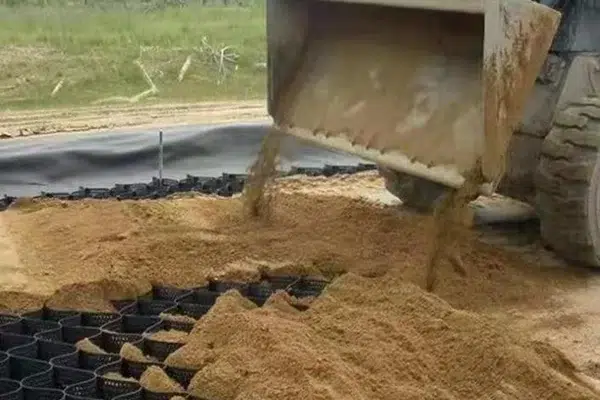
HDPE geocells confine soil, aggregate, sand, or concrete inside a three-dimensional cell structure. This confinement helps reduce lateral movement, distribute load, and protect slopes or channels from erosion. FHWA geosynthetic guidance is useful for understanding geosynthetic reinforcement and stabilization functions. [1]
In road construction, geocells help keep aggregate from spreading under traffic. On slopes, they help hold infill in place. In channels, they can support erosion control when anchoring, infill, and flow conditions are properly considered.
Factory Tip: When buyers ask for geoceldas by square meters only, I ask for cell height and infill first. The panel area may be the same, but a 50 mm cell and a 200 mm cell are not solving the same project problem.
Cell Height, Weld Spacing, and Strip Thickness
Cell height controls confinement depth, weld spacing controls cell opening geometry, and strip thickness affects panel handling and stiffness. MJY product knowledge lists common geocell height from 50-250 mm and welding distance from 330-1000 mm, but the right option must match site use.
| Specification item | Why it matters | Buyer check |
|---|---|---|
| Cell height | Controls infill depth and confinement effect | Match road, slope, channel, or access use |
| Weld spacing | Changes cell size and expanded panel geometry | Confirm panel expansion size |
| Strip thickness | Affects stiffness and handling | Compare smooth and textured options |
| Perforation | Supports drainage and vegetation in some projects | Use when water or roots matter |
| Texture | Improves interaction with infill | Useful for slopes and stability-sensitive areas |
Weld Strength Is a Real Purchasing Risk
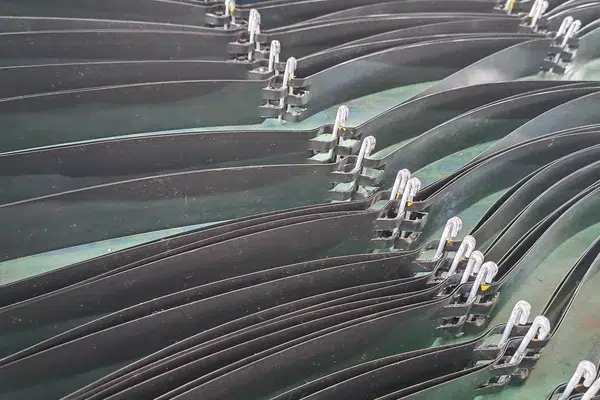
Weld strength matters because geocell panels are expanded, filled, compacted, and loaded. ASTM D8269 covers tensile properties of geocells, which is relevant when buyers compare panel strength and weld behavior. [2]
Weak welds may open during expansion, on slopes, or under compaction. Once infill is placed, repairing split panels is slow because the crew must remove material, replace or reconnect sections, and compact again.
QC Check: Ask how weld points are inspected, whether the strip thickness is controlled, and whether the panel is textured, smooth, perforated, or non-perforated. A low price without weld clarity can create expensive field delays.
Roads, Slopes, and Erosion Control Need Different Specs
Road base, slope protection, and erosion control projects use geocells for different reasons. Road projects need load distribution and aggregate confinement. Slopes need anchoring and infill stability. Channels need erosion resistance and drainage logic.
| Application | Main risk | Selection focus |
|---|---|---|
| Road base | Rutting and aggregate spreading | Cell height, infill, subgrade condition |
| Slope protection | Infill sliding and rainfall erosion | Texture, anchoring, cell depth |
| Channel lining | Water flow and uplift | Anchoring, perforation, stable infill |
| Temporary access | Fast installation and weak ground | Panel strength and available aggregate |
| Embankment support | Settlement and lateral soil movement | Cell height and subgrade preparation |
Smooth, Textured, Perforated, or Non-Perforated
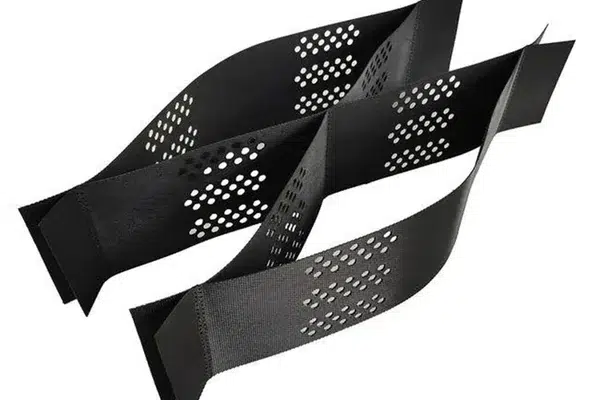
The surface and perforation should match the site condition. Textured geocell strips can improve interaction with infill, while perforations may help drainage or vegetation in slope and green projects. Non-perforated panels may fit projects where water movement through strips is not required.
Long-term loading and creep behavior can matter in geosynthetic selection, especially for permanent civil works. ASTM D6992 is one reference used for accelerated creep and creep-rupture behavior of geosynthetic materials. [3]
Expert Insight: Do not assume the most aggressive specification is always best. A deep textured perforated geocell may be right for a vegetated slope, but it can add unnecessary cost to a simple temporary access road if the base and traffic are modest.
For export orders, panel expansion size is also important. Buyers should confirm folded bundle size, expanded panel size, and pallet packing so the site team knows how many anchors and connectors to prepare.
RFQ Checklist Before Ordering
A useful RFQ should include application, slope angle, traffic or water load, soil condition, infill type, target cell height, weld spacing, strip thickness, texture, perforation, panel size, anchor method, quantity, and destination. These details make the quote comparable.
For product matching, review MJY HDPE geocell options and broader geocell product applications. For erosion-control work, connect the design with civil engineering geosynthetics applications before ordering.
IGS resources can help buyers understand geosynthetics by function, but final geocell model selection should match site loading and installation conditions. [4]
My View
My view is that HDPE geocells are easy to under-specify because they look simple when folded. The real performance appears after expansion, filling, compaction, and weather exposure. A buyer can save money by choosing the right cell height, panel size, and shipping plan, but not by ignoring weld strength or site load. For roads and slopes, a clear RFQ is cheaper than correcting split cells or moving unstable infill later.
Conclusion
HDPE geocells should be selected by cell height, weld strength, infill, surface texture, perforation, anchoring, and site load. Match the product to the project before ordering.
FAQs
What are HDPE geocells used for?
HDPE geocells are used for road base stabilization, slope protection, erosion control, channels, temporary access, and weak soil support.
What does geoceldas mean?
Geoceldas is the Spanish term for geocells, often referring to HDPE cellular confinement systems used in civil engineering.
Why does geocell weld strength matter?
Weak welds can split during expansion, filling, compaction, or service, reducing confinement and causing site rework.