Lucas

As a professional technical consultant at MJY Geosynthetics Company, I have over ten years of industry experience and possess in-depth knowledge of the company's various products – from technical parameters and material characteristics to corresponding construction methods. To date, I have provided services to clients in more than 40 countries and regions, accumulating extensive practical experience in multinational projects and developing a systematic understanding of geosynthetic applications, construction practices, and industry standards in different markets.

Technician using geomembrane welding equipment on an HDPE liner panel

Geomembrane Welding: Seam Testing, Field Conditions, and Quality Checks

A geomembrane liner can look complete and still fail acceptance when seam work is treated as a last-minute installation detail instead of a controlled process. Geomembrane welding quality depends on compatible material, clean panel edges, a workable weather window, calibrated equipment, trial seams, and documented testing. Contractors should confirm the seam plan before liner delivery, […]

Geomembrane Welding: Seam Testing, Field Conditions, and Quality Checks Read More »

Expanded HDPE geocell used for soil stabilization and aggregate confinement planning

Geocell for Soil Stabilization: Uses and Selection Criteria

A geocell panel can improve soil support and aggregate confinement, but it cannot correct an undefined base section, weak saturated formation, or an installation method that lets the cells distort before infill is placed. Geocell can support soil stabilization when cell depth, weld pattern, infill, subgrade condition, drainage, anchoring, and construction traffic match the project.

Geocell for Soil Stabilization: Uses and Selection Criteria Read More »

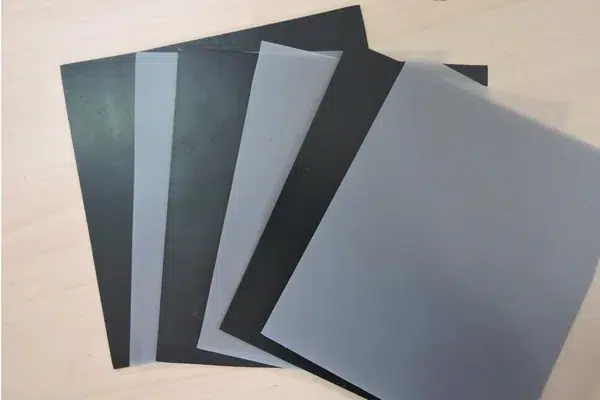
Smooth HDPE geomembrane for pond liner thickness and seam-planning review

Pond Liner Thickness: How to Choose HDPE Geomembrane for Farm and Industrial Ponds

The wrong pond liner thickness can create puncture, handling, seam, and repair risk before the pond reaches normal service, especially when the subgrade and protection layers were not reviewed with the liner. HDPE pond liner thickness should be selected with the pond use, subgrade condition, water level, slope geometry, puncture exposure, surface type, protection layer,

Pond Liner Thickness: How to Choose HDPE Geomembrane for Farm and Industrial Ponds Read More »

Illustrative open-cell grass grid panel for a permeable driveway surface review

Grass Grid Driveway: Base Depth, Infill, and Long-Term Maintenance

A grass grid driveway can rut, shift, or stop draining when the visible panel is selected before the subgrade, base depth, infill, edge restraint, traffic condition, and maintenance plan are understood. A grass grid driveway can work for permeable access and parking areas when the open-cell panel, prepared subgrade, granular base, infill, drainage route, traffic

Grass Grid Driveway: Base Depth, Infill, and Long-Term Maintenance Read More »

HDPE geomembrane liner material used for landfill containment planning

HDPE Liner for Landfills: Thickness, Texturing, and Protection Layers

A landfill liner is easy to reduce to a thickness and price per square metre, but the real risk sits in the complete containment section: subgrade, surface texture, protection layers, seams, drainage, and inspection access. HDPE liner is commonly selected for landfill containment when thickness, surface finish, puncture protection, seam procedure, chemical exposure, and project-specific

HDPE Liner for Landfills: Thickness, Texturing, and Protection Layers Read More »

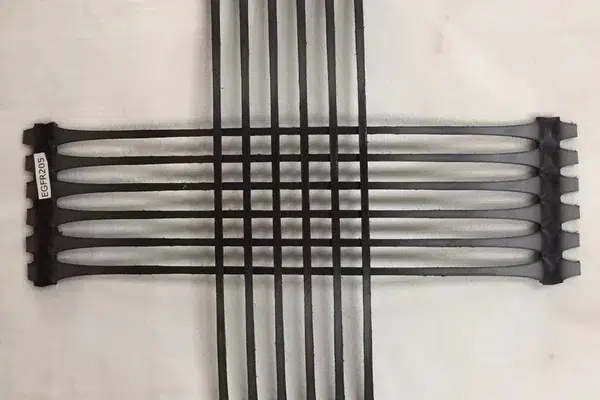
Uniaxial geogrid roll for reinforcement direction and soil support review

Geogrid Reinforcement: How It Improves Soil and Aggregate Performance

Geogrid reinforcement can improve a soil or aggregate layer, but a roll with a high tensile value cannot compensate for the wrong direction, poor subgrade preparation, unsuitable aggregate, or an unplanned placement sequence. Geogrid reinforcement can improve load distribution, aggregate interaction, or soil support when the grid type, tensile direction, aperture structure, subgrade, aggregate, and

Geogrid Reinforcement: How It Improves Soil and Aggregate Performance Read More »

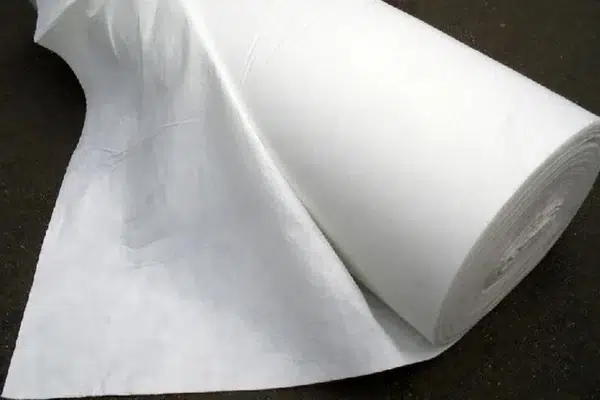
Nonwoven geotextile fabric for filtration and drainage layer selection

Geotextile Filter Fabric: Permeability, Opening Size, and Drainage Use

Geotextile filter fabric can support drainage and separation, but a fabric selected only by GSM can create clogging, soil migration, puncture damage, or a drainage layer that does not match the project water path. Geotextile filter fabric should be selected by soil condition, apparent opening size, permittivity, puncture exposure, drainage aggregate, and installation method. The

Geotextile Filter Fabric: Permeability, Opening Size, and Drainage Use Read More »

Woven polypropylene geotextile roll used for separation and stabilization planning

Woven Geotextile: Uses, Strength, and Differences from Nonwoven Fabric

Choosing woven geotextile by roll weight alone can leave a road, working platform, or separation layer with the wrong balance of strength, filtration, and installation durability. Woven geotextile is commonly considered when a project needs separation with relatively high tensile strength, controlled elongation, or support beneath aggregate. The correct fabric still depends on the soil,

Woven Geotextile: Uses, Strength, and Differences from Nonwoven Fabric Read More »

Expanded cellular confinement panel used for slope and retaining-face planning

Geocell Retaining Wall: When Cellular Confinement Is a Better Fit

A cellular confinement panel can improve a facing or slope detail, but it should not be treated as a substitute for a retaining-wall design when soil loads, drainage, geometry, and global stability have not been addressed. Geocell can be a useful retaining-wall or reinforced-slope facing option when cell depth, anchoring, infill, slope angle, drainage, and

Geocell Retaining Wall: When Cellular Confinement Is a Better Fit Read More »

Geonet drainage mesh used for in-plane flow and drainage layer selection

Geonet vs Geotextile: Drainage Functions and Layer Selection

A drainage system can fail when geonet and geotextile are treated as interchangeable rolls, even though one is often selected for in-plane drainage and the other for filtration, separation, or protection. Geonet and geotextile perform different drainage-layer functions. A geonet is commonly used to create an in-plane flow path, while a geotextile can filter, separate,

Geonet vs Geotextile: Drainage Functions and Layer Selection Read More »

en_USEnglish

Get Free Quote!