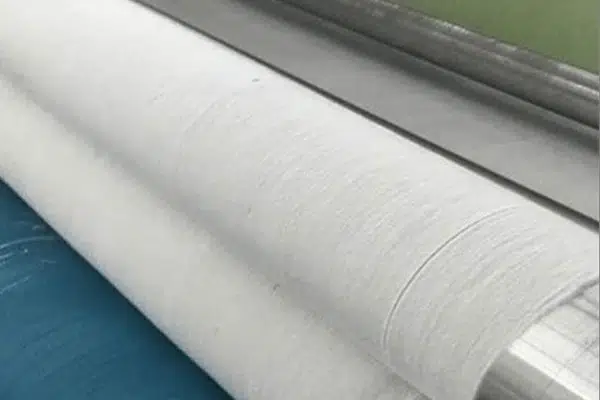
Geotextile

Nonwoven Geotextile for CBR puncture resistance and aggregate protection

Geotextile CBR Puncture Resistance: How to Match Fabric to Aggregate and Subgrade

Choosing the wrong geotextile CBR puncture resistance specification can create material waste, site delays, and performance risk before the project reaches its intended service life. Geotextile Cbr Puncture Resistance should be selected for its required function in road bases, drainage layers, liner protection, aggregate cover, and weak-subgrade construction. Buyers should compare the application condition, controlling […]

Geotextile CBR Puncture Resistance: How to Match Fabric to Aggregate and Subgrade Read More »

Filtration Geotextile for permittivity and apparent opening size selection

Geotextile Permittivity and AOS: Choosing Filtration Fabric Without Clogging Risk

Choosing the wrong geotextile filtration selection specification can create material waste, site delays, and performance risk before the project reaches its intended service life. Geotextile Filtration Selection should be selected for its required function in subsurface drainage, road drainage, retaining-wall drainage, dewatering, and filter-protection layers. Buyers should compare the application condition, controlling specifications, installation method,

Geotextile Permittivity and AOS: Choosing Filtration Fabric Without Clogging Risk Read More »

Nonwoven geotextile for separating subgrade and aggregate layers

Geotextile Separation Layer: Preventing Subgrade Mixing in Road Projects

Choosing the wrong geotextile separation layer specification can create material waste, site delays, and performance risk before the project reaches its intended service life. Geotextile Separation Layer should be selected for its required function in road bases, access roads, parking areas, and weak-subgrade aggregate sections. Buyers should compare the application condition, controlling specifications, installation method,

Geotextile Separation Layer: Preventing Subgrade Mixing in Road Projects Read More »

HDPE geomembrane liner prepared for a protection layer review

Geomembrane Protection Layer: Geotextile Cushioning and Installation Risks

Choosing the wrong geomembrane protection layer specification can create material waste, site delays, and performance risk before the project reaches its intended service life. Geomembrane Protection Layer should be selected for its required function in ponds, landfills, mining containment, and industrial liners. Buyers should compare the application condition, controlling specifications, installation method, and supplier evidence

Geomembrane Protection Layer: Geotextile Cushioning and Installation Risks Read More »

Geotextile fabric for French drain filtration

Geotextile for French Drains: Fabric Type, Wrap Method, and Clogging Risks

Choosing the wrong French drain geotextile specification can create material waste, site delays, and performance risk before the project reaches its intended service life. French Drain Geotextile should be selected for its required function in French drains, trench drains, retaining-wall drainage, and aggregate filtration layers. Buyers should compare the application condition, controlling specifications, installation method,

Geotextile for French Drains: Fabric Type, Wrap Method, and Clogging Risks Read More »

Geogrid material for road reinforcement comparison

Geogrid vs Geotextile: Which One Should Be Used Under Roads and Retaining Walls?

Choosing the wrong geogrid versus geotextile specification can create material waste, site delays, and performance risk before the project reaches its intended service life. Geogrid Versus Geotextile should be selected for its required function in road subgrades, retaining walls, drainage details, separation layers, and weak-soil stabilization. Buyers should compare the application condition, controlling specifications, installation

Geogrid vs Geotextile: Which One Should Be Used Under Roads and Retaining Walls? Read More »

Geomembrane material for containment and mining application review

Geosynthetics Applications: Roads, Drainage, Landfills, and Mining

Choosing the wrong geosynthetics specification can create material waste, site delays, and performance risk before the project reaches its intended service life. Geosynthetics should be selected for its required function in roads, drainage systems, containment, landfills, mining, and slope protection. Buyers should compare the application condition, controlling specifications, installation method, and supplier evidence before ordering,

Geosynthetics Applications: Roads, Drainage, Landfills, and Mining Read More »

Geotextile fabric for GSM and project-function comparison

Geotextile Weight Guide: GSM, Strength, and Project Application

Choosing the wrong geotextile specification can create material waste, site delays, and performance risk before the project reaches its intended service life. Geotextile should be selected for its required function in drainage, separation, filtration, protection, and road construction. Buyers should compare the application condition, controlling specifications, installation method, and supplier evidence before ordering, because the

Geotextile Weight Guide: GSM, Strength, and Project Application Read More »

Nonwoven geotextile protection layer for geomembrane underlay selection

Geomembrane Underlay: Why Geotextile Protection Layers Matter

A liner can be specified correctly and still be damaged before service when sharp subgrade, aggregate, wrinkles, or cover placement are not controlled with a suitable protection layer. A geomembrane underlay is commonly a nonwoven geotextile protection layer selected to help reduce puncture and abrasion risk between a liner and subgrade or adjacent materials. The

Geomembrane Underlay: Why Geotextile Protection Layers Matter Read More »

Nonwoven geotextile material used for drainage filtration and separation

Drainage Geotextile: Installation, Overlap, and Mistakes That Reduce Flow

A drainage geotextile can lose its intended flow path when the soil-filter relationship, overlap, aggregate placement, outlet, and site protection are treated as afterthoughts. Drainage geotextile installation works when the fabric, soil, aggregate, overlap, water path, outlet, and placement method are matched to the approved drainage detail. The right overlap is not a universal number;

Drainage Geotextile: Installation, Overlap, and Mistakes That Reduce Flow Read More »

en_USEnglish

Get Free Quote!