Lucas

As a professional technical consultant at MJY Geosynthetics Company, I have over ten years of industry experience and possess in-depth knowledge of the company's various products – from technical parameters and material characteristics to corresponding construction methods. To date, I have provided services to clients in more than 40 countries and regions, accumulating extensive practical experience in multinational projects and developing a systematic understanding of geosynthetic applications, construction practices, and industry standards in different markets.

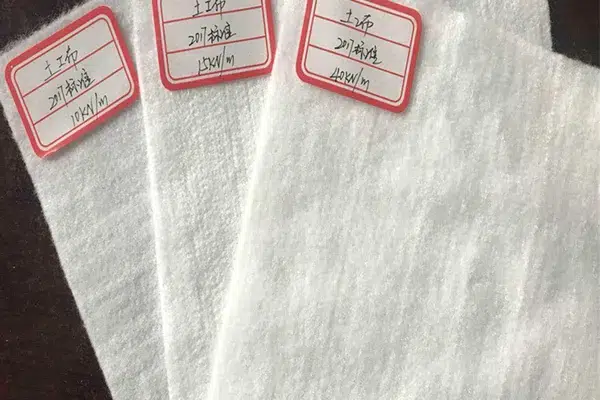
Nonwoven geotextile protection layer for geomembrane underlay selection

Geomembrane Underlay: Why Geotextile Protection Layers Matter

A liner can be specified correctly and still be damaged before service when sharp subgrade, aggregate, wrinkles, or cover placement are not controlled with a suitable protection layer. A geomembrane underlay is commonly a nonwoven geotextile protection layer selected to help reduce puncture and abrasion risk between a liner and subgrade or adjacent materials. The […]

Geomembrane Underlay: Why Geotextile Protection Layers Matter Read More »

Nonwoven geotextile material used for drainage filtration and separation

Drainage Geotextile: Installation, Overlap, and Mistakes That Reduce Flow

A drainage geotextile can lose its intended flow path when the soil-filter relationship, overlap, aggregate placement, outlet, and site protection are treated as afterthoughts. Drainage geotextile installation works when the fabric, soil, aggregate, overlap, water path, outlet, and placement method are matched to the approved drainage detail. The right overlap is not a universal number;

Drainage Geotextile: Installation, Overlap, and Mistakes That Reduce Flow Read More »

HDPE geocell panel for slope erosion control and infill confinement

Geocell for Erosion Control: Slope, Channel, and Embankment Applications

An erosion-control geocell can look secure on day one and still fail after rainfall if slope drainage, anchoring, infill, panel connections, and edge treatment were never matched to the site. Geocell for erosion control can help confine infill on slopes, channels, and embankments when cell depth, panel layout, anchoring, drainage, surface flow, infill, and construction

Geocell for Erosion Control: Slope, Channel, and Embankment Applications Read More »

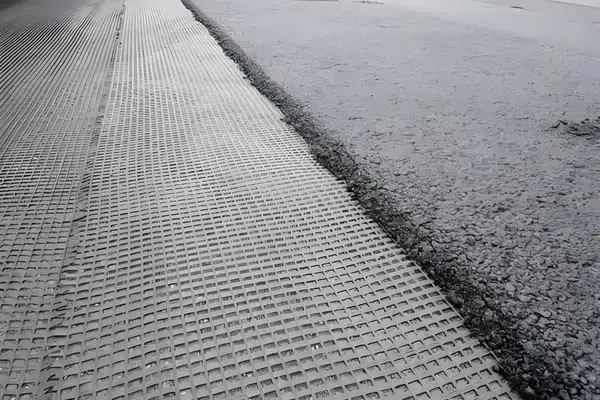
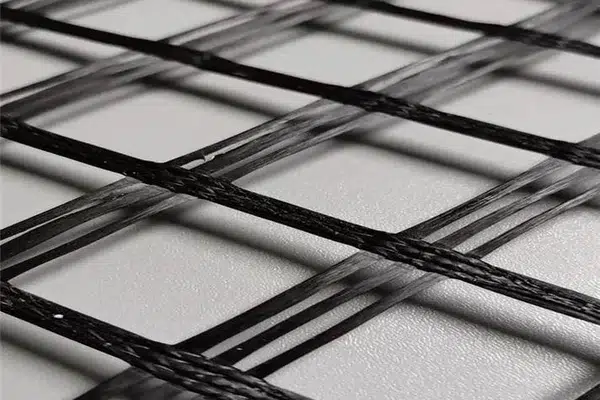
Biaxial geogrid material for pavement base stabilization and aggregate confinement

Geogrid for Pavement: Reducing Rutting and Improving Base Stability

A pavement geogrid cannot correct a weak, wet, or poorly built base when the subgrade, aggregate, drainage, and placement sequence were never defined. Geogrid for pavement can help control lateral aggregate movement and improve base stability when the grid aperture, aggregate, subgrade, base thickness, traffic, drainage, and placement method match the pavement design. It is

Geogrid for Pavement: Reducing Rutting and Improving Base Stability Read More »

Geosynthetic clay liner roll for barrier layer selection in containment projects

Geosynthetic Clay Liner vs HDPE Geomembrane: When Each Layer Is Used

Choosing GCL or HDPE only by material price can leave a containment system with the wrong barrier role, poor seam planning, vulnerable overlaps, or a layer stack that does not match the approved design. Geosynthetic clay liner and HDPE geomembrane are different barrier components, not direct substitutes in every project. GCL is commonly considered for

Geosynthetic Clay Liner vs HDPE Geomembrane: When Each Layer Is Used Read More »

Expanded HDPE geocell panel used for aggregate confinement and subgrade support

Geocell Panels: Size, Cell Depth, and Connection Details for Projects

A geocell panel can arrive with the requested depth and still create delay when the connection pattern, expanded size, infill, anchoring, and site layout were not confirmed before shipment. Geocell panels should be selected by application, cell depth, expanded panel size, weld spacing, material type, perforation, connection detail, infill, subgrade condition, load, and installation layout.

Geocell Panels: Size, Cell Depth, and Connection Details for Projects Read More »

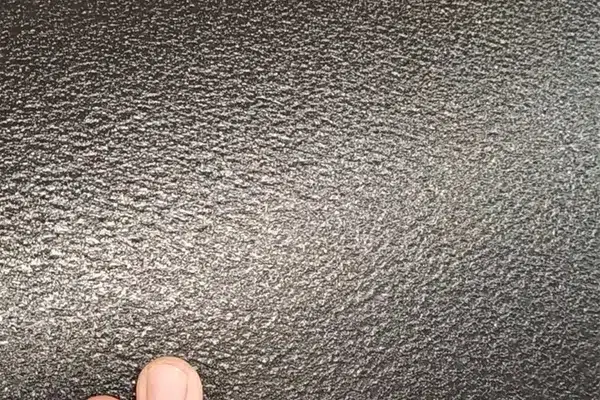
Textured HDPE geomembrane for slope and landfill interface friction review

Textured Geomembrane: When to Use It on Slopes and Landfills

A smooth liner can become a costly slope decision when interface friction, cover soil, drainage, and construction traffic were never checked before the material was ordered. Textured geomembrane is usually considered when a liner must work on a slope or against another material where interface friction affects stability. The final selection still depends on slope

Textured Geomembrane: When to Use It on Slopes and Landfills Read More »

Smooth HDPE geomembrane material for chemical-containment selection

HDPE Geomembrane Chemical Resistance: What Buyers Should Check

A liner can have a familiar HDPE label and still be a poor chemical-containment choice if the liquid, concentration, temperature, exposure time, seam condition, and project design were never reviewed together. HDPE geomembrane may be considered for chemical containment when the specific liquid, concentration, temperature, exposure duration, liner thickness, seam plan, and containment design are

HDPE Geomembrane Chemical Resistance: What Buyers Should Check Read More »

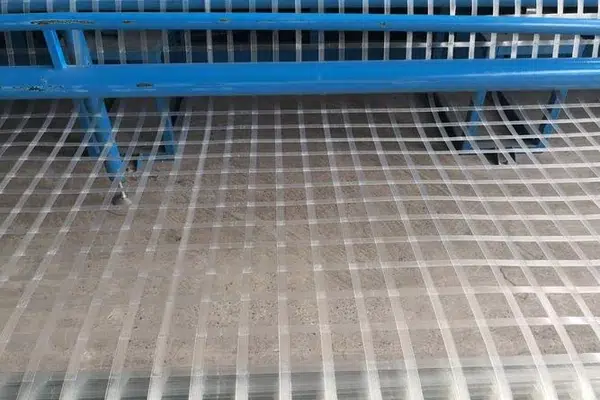
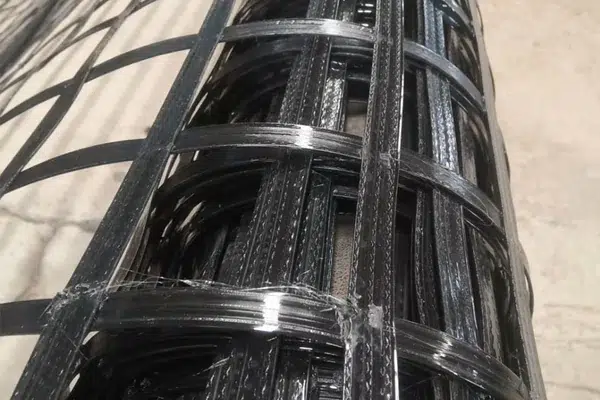
Uniaxial geogrid roll for retaining-wall reinforcement direction review

Geogrid Fabric for Retaining Walls: Selection and Installation Checklist

A retaining-wall grid can look correctly placed while doing little useful work if its tensile direction, length, backfill, connection detail, drainage, or construction sequence does not match the approved wall design. Geogrid fabric for retaining walls should be selected by the approved reinforcement design, required direction, long-term design strength, length, backfill, facing connection, drainage, and

Geogrid Fabric for Retaining Walls: Selection and Installation Checklist Read More »

Nonwoven geotextile fabric for drainage and filtration selection

Geotextile Drainage Fabric: How to Prevent Clogging and Poor Flow

Drainage fabric can lose flow capacity when the soil-filter relationship is ignored, fine particles enter the aggregate layer, or the fabric is damaged or folded before the drain is closed. Geotextile drainage fabric helps manage water and soil separation when apparent opening size, permittivity, puncture resistance, soil, aggregate, and installation conditions fit the drainage detail.

Geotextile Drainage Fabric: How to Prevent Clogging and Poor Flow Read More »

en_USEnglish

Get Free Quote!