Expert Review: MJY Geocell Performance, Quality, and Real Project Applications
Many infrastructure buyers search for geocell solutions when they face problems such as weak soil, slope instability, erosion, and high construction costs. However, not all geocell products perform the same. Material quality, weld strength, and manufacturing control can dramatically affect project performance.
As part of the MJY engineering and product team, I have worked with geocell systems in road construction, slope stabilization, and retaining wall projects for many years. In this expert review, I will evaluate the performance, quality, and real project value of MJY geocell systems and explain why they are widely used in global infrastructure projects.
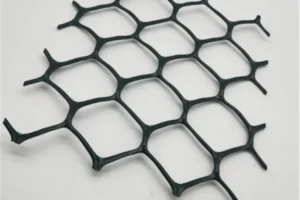
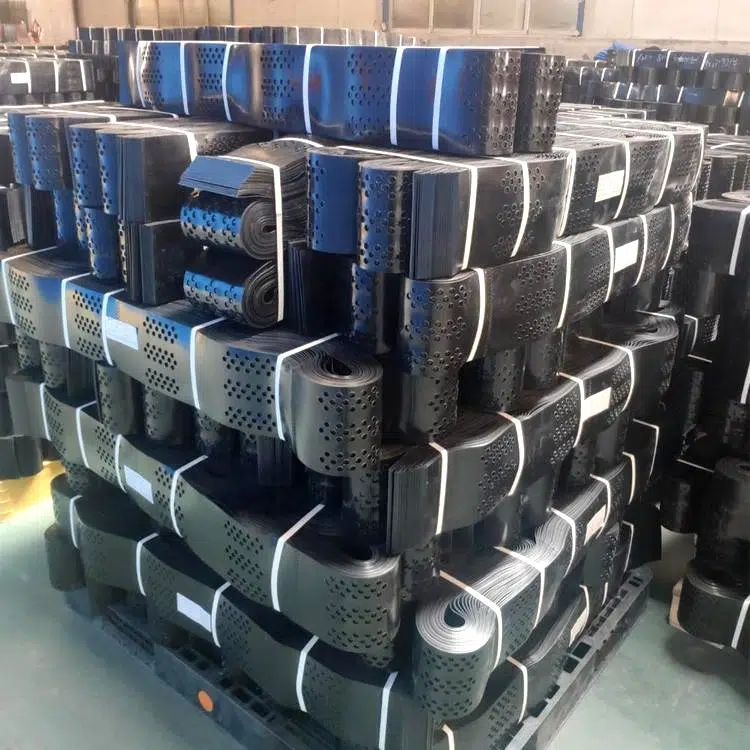
Geocell is a three-dimensional cellular confinement system made from polymer strips welded together to form a honeycomb structure that stabilizes soil and distributes loads across a wider area.
This technology improves bearing capacity and prevents soil movement in roads, slopes, and retaining walls.
If you want to understand the full product range, you can explore the MJY Geocell product page:
https://geosyntheticsmanufacturer.com/geocell/
What Is MJY Geocell and How Does It Work?
A geocell works by confining soil or aggregate inside interconnected cells, preventing lateral movement and increasing the strength of the reinforced layer.
Cellular Confinement Mechanism
When the geocell panels expand and are filled with compacted material, each cell acts like a mini retaining structure. The cell walls restrict soil movement and spread loads evenly across the system.
This confinement effect creates a stronger composite layer made of both soil and geocell structure.
MJY Geocell Manufacturing Quality
MJY geocells are produced using high-density polyethylene (HDPE) with ultrasonic welding to ensure strong seam connections and long-term durability.
Typical specifications include:
| Parameter | MJY Geocell Specification |
|---|---|
| Material | HDPE / polymer |
| Cell Height | 50 mm – 200 mm |
| Weld Spacing | 330 mm – 712 mm |
| Sheet Thickness | 1.0 – 1.5 mm |
These specifications allow MJY geocells to support heavy loads in road, railway, and slope protection projects.
Learn more about our manufacturing capability here:
https://www.geosyntheticsmanufacturer.com
MJY Geocell Performance Evaluation
To evaluate geocell quality from an engineering perspective, we normally analyze three key indicators.
1. Load Distribution Capacity
One of the biggest advantages of MJY geocell is load distribution.
Instead of allowing wheel loads or structural loads to concentrate on weak soil, the cellular structure spreads the load across many cells. This increases bearing capacity and reduces settlement.
In road construction projects, this often allows contractors to reduce aggregate thickness while maintaining performance.
2. Soil Stabilization Performance
MJY geocell significantly improves soil shear resistance. The confined infill material behaves as a reinforced composite layer.
This is particularly useful in:
- Soft soil foundations
- Embankment stabilization
- Highway base reinforcement
- Industrial yard construction
The result is a stronger ground structure with less deformation.
3. Erosion and Slope Protection
Geocells are also widely used for slope protection because they hold soil in place and reduce surface runoff velocity. oai_citation:5‡Geofantex
When filled with soil, the cells support vegetation growth, which further strengthens the slope through root reinforcement.
[Image placeholder: MJY geocell installed on a slope with vegetation growing inside the cells]
You can also read more detailed application examples here:
https://geosyntheticsmanufacturer.com/geocell-for-slope-protection/
MJY Geocell vs Traditional Ground Stabilization Methods
Many engineers compare geocell systems with concrete or gabion reinforcement systems.
| System | Strength | Flexibility | Installation Speed | Cost |
|---|---|---|---|---|
| Concrete retaining wall | Very high | Low | Slow | High |
| Gabion wall | Medium | Medium | Moderate | Medium |
| MJY geocell system | High | High | Fast | Cost-efficient |
Concrete retaining walls provide strong structural support but require extensive excavation, reinforcement, and curing time.
Geocell systems reduce material use and adapt better to ground settlement.
This is why more infrastructure projects are switching to geocell reinforcement systems.
Real Engineering Applications of MJY Geocell
MJY geocell systems are used in many types of civil engineering projects.
Road Base Reinforcement
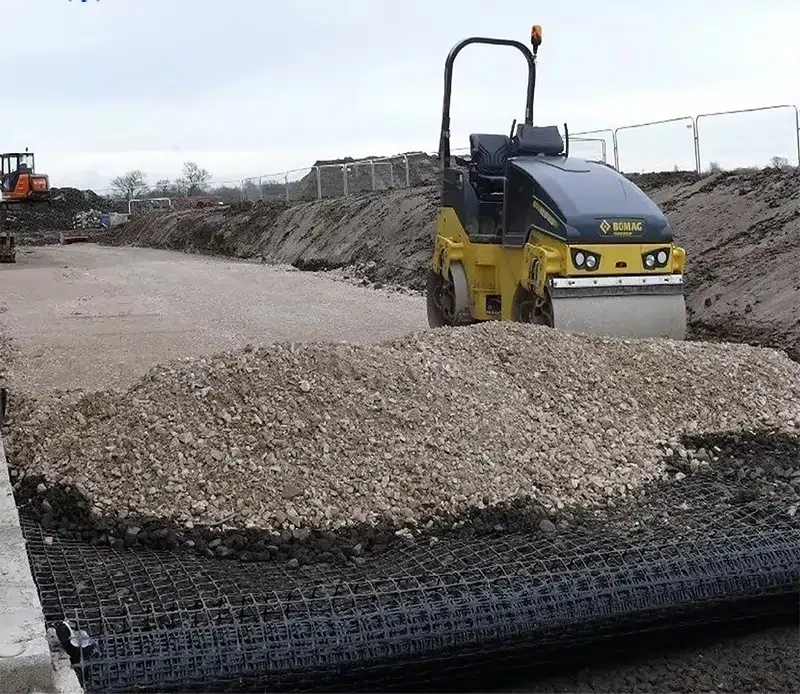
Weak subgrade soils often cause pavement rutting. MJY geocell panels confine aggregate and distribute loads, which improves road durability.
Retaining Wall Systems
Geocell retaining walls provide flexible earth retention structures that adapt to ground movement while maintaining stability.
Slope Stabilization
On steep slopes, geocell prevents soil movement and erosion by holding the soil in place.
Erosion Control
Geocell systems reduce runoff velocity and prevent soil loss in drainage channels and riverbanks.
These applications demonstrate why geocell has become a common solution in modern geotechnical engineering.
Cost Analysis: Why MJY Geocell Is Cost-Efficient
One reason contractors choose geocell systems is cost efficiency.
Reduced Base Material
Because geocell improves soil strength, projects require less aggregate or gravel.
Faster Installation
Geocell panels arrive folded and expand quickly on site. This reduces labor and construction time.
Lower Transportation Cost
Geocell panels are lightweight and compact before installation, making transportation easier compared with heavy construction materials.
These factors significantly reduce total project cost.
Common Mistakes When Selecting Geocell
Not all geocell products deliver the same performance. Buyers should avoid these mistakes:
Choosing Low-Quality Welds
Weak welding points reduce structural stability.
Using Recycled Materials
Low-grade recycled plastic reduces durability and strength.
Incorrect Cell Height
Cell height must match load conditions and slope angle.
MJY geocells are designed to meet infrastructure requirements with controlled manufacturing and strict quality inspection.
FAQ: MJY Geocell Systems
Is geocell really effective for soil stabilization?
Yes. The cellular confinement system increases soil strength and distributes loads more efficiently.
How long do HDPE geocell systems last?
High-quality HDPE geocells can last several decades when properly installed.
What projects are best suited for geocell?
Geocell works best in:
- Road base reinforcement
- Slope protection
- Retaining walls
- Erosion control systems
Final Expert Opinion
From an engineering perspective, MJY geocell systems offer an excellent balance of performance, flexibility, and cost efficiency. The cellular confinement structure stabilizes soil, improves load distribution, and reduces construction complexity.
For infrastructure projects dealing with weak soil or erosion risk, MJY geocell products provide a reliable and efficient solution.
If you want to evaluate specifications or request a quotation, visit the official MJY product page:
https://geosyntheticsmanufacturer.com/geocell/