Retaining wall projects can become expensive when the wall needs stronger soil support, better drainage, and faster construction. Geocell can help, but only when the cell height, weld strength, infill, and project design match the site.
Geocell can be used in retaining wall projects to create a confined soil or aggregate structure that improves stability, controls lateral movement, and supports flexible wall construction. The key is to choose the right HDPE material, weld strength, cell size, infill, drainage layer, and factory specification.

A geocell retaining wall should not be treated as a simple stacked plastic product. Buyers need to understand the soil pressure, wall height, drainage, connection method, and factory quality before ordering.
Why Is Geocell Used In Retaining Wall Projects?
Retaining walls fail when soil pressure, water pressure, weak backfill, or poor reinforcement is not controlled. Geocell helps by creating a confined structure that improves fill stability.
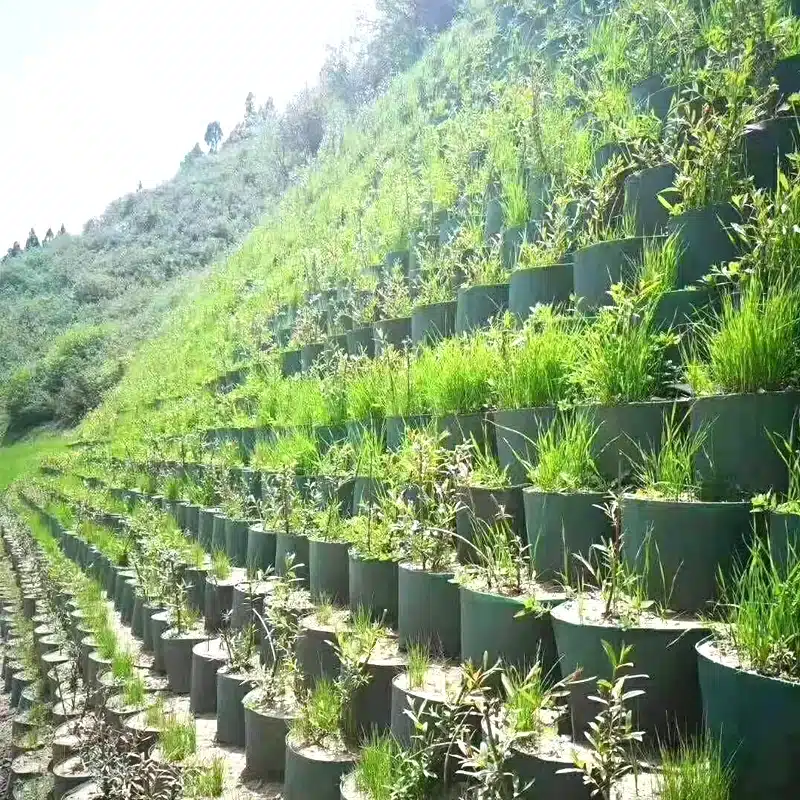
Geocell is used in retaining wall projects because its three-dimensional cellular structure confines soil or aggregate, reduces lateral movement, improves load distribution, and helps create flexible earth-retention systems. It is often used for green walls, low to medium retaining walls, slope support, and erosion-control structures.
Geocell creates confinement
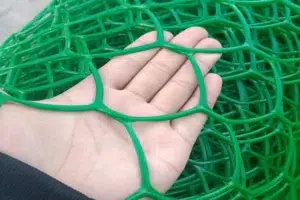
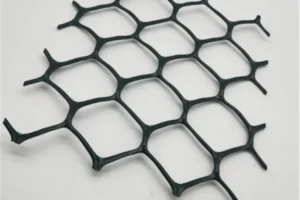
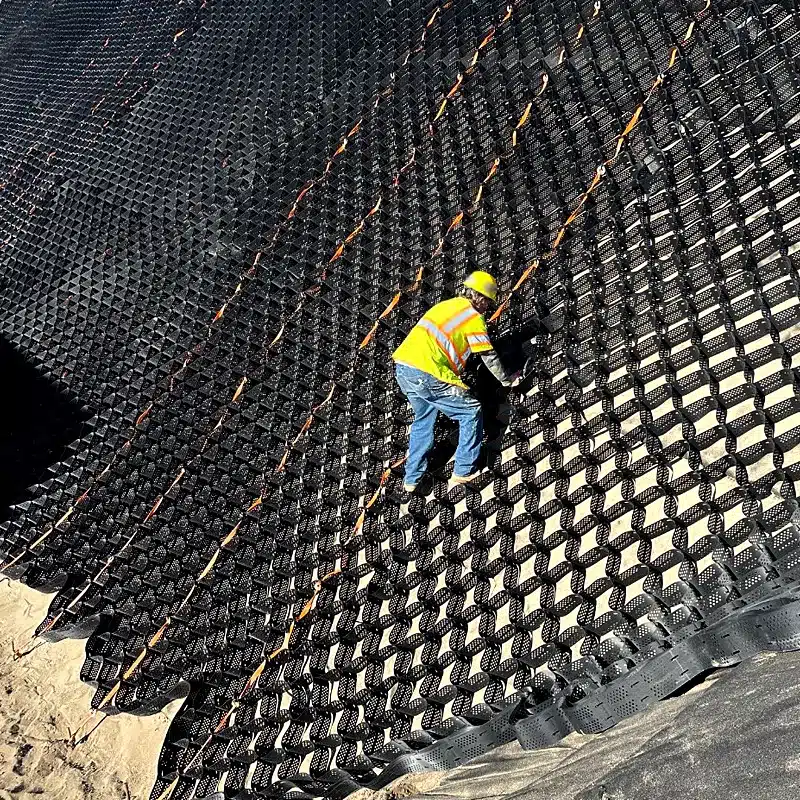
Geocell works through cellular confinement. After expansion, the honeycomb structure is filled with soil, gravel, or other approved material. The cell walls restrict side movement and help the fill act as a more stable mass.
This matters in retaining wall projects because backfill pressure pushes outward. If the fill is loose or poorly confined, the wall face can deform. Geocell helps control this movement when the design is correct.
A neutral technical overview explains that geocells are three-dimensional honeycombed structures made from polymeric strips welded together and expanded into a flexible cellular mattress. cellular confinement systems[^1]
Geocell supports flexible wall construction
Traditional retaining walls may use concrete blocks, gabions, cast-in-place concrete, or reinforced soil systems. Geocell is different because it creates a flexible confinement layer.
This flexibility can be useful where the foundation is not perfectly rigid or where a vegetated wall face is needed. It can also support projects where transportation and installation need to be simpler than heavy concrete systems.
But flexibility does not mean weak design. A geocell wall still needs proper engineering, drainage, compaction, and anchoring.
Geocell can reduce some construction pressure
Geocell panels are folded during transport and expanded on site. This can reduce transport volume compared with bulky wall units.
For some projects, local infill can be used if it meets design needs. This can reduce the amount of imported material. But buyers should not assume every local soil is suitable. The infill must compact well and match the wall function.
| Retaining Wall Need | How Geocell Helps | Factory-Side Checkpoint |
|---|---|---|
| Soil confinement | Holds infill inside cells | Check cell height and weld strength |
| Flexible structure | Adapts better than rigid units in some sites | Confirm design suitability |
| Faster transport | Panels ship folded | Check packing and expansion size |
| Green wall face | Supports soil and vegetation media | Check perforation and soil depth |
| Cost control | May reduce heavy material use | Compare full system cost, not only product price |
For buyers reviewing this application, the first step is to check suitable geocell product options before comparing quotations.
What Are The Main Benefits Of Geocell Retaining Walls?
The main benefit is not only lower material cost. The real value is better confinement, flexible construction, easier transport, and possible vegetation support.
Geocell retaining wall benefits include soil confinement, flexible structure, reduced lateral movement, better use of local infill, fast panel installation, easier shipping, and support for green wall designs. These benefits depend on correct design, weld strength, drainage, and compaction.
It improves fill stability
The geocell structure helps keep the fill material inside a controlled cellular system. This improves the behavior of the backfill compared with loose fill alone.
In a retaining wall, this can help control deformation. The fill is not free to move sideways in the same way. Each cell creates a small confined zone. Together, the cells form a larger stabilized mass.
This does not remove the need for design. Wall height, slope condition, surcharge load, drainage, and foundation strength still matter.
It can support green retaining walls
Some retaining wall projects need a greener appearance. Geocell can hold soil and vegetation media on the wall face. This makes it useful for landscape retaining walls, slope-facing walls, roadside structures, and ecological restoration projects.
If vegetation is required, the buyer should confirm cell size, cell depth, perforation, soil type, and irrigation or maintenance conditions. A green wall fails when the soil cannot stay in place or roots cannot establish.
It can simplify logistics
HDPE geocell panels are folded and packed for shipment. This can make export and transportation easier than some rigid wall systems.
For overseas buyers, this is a practical benefit. More material can fit into containers, and site handling can be easier. But packing still needs to be checked. Roll size, bundle weight, label information, and container loading should be confirmed before shipment.
| Benefit | What It Means | Buyer Must Confirm |
|---|---|---|
| Soil confinement | Fill material moves less | Cell height and weld strength |
| Flexible wall structure | Better adaptation in some sites | Engineering design approval |
| Green wall option | Supports soil and vegetation | Perforation and soil media |
| Lower transport volume | Folded panels ship efficiently | Packing and container loading |
| Local infill use | May reduce imported material | Infill quality and compaction |
| Fast installation | Panels expand on site | Crew training and anchor plan |
Geocell is part of the larger family of geosynthetics[^2], which are used in civil engineering for functions such as reinforcement, drainage, separation, stabilization, and erosion control.
What Design Points Matter Before Using Geocell For A Retaining Wall?
The design must come before the order. If the wall height, soil pressure, water condition, and infill quality are not clear, the buyer cannot choose the correct geocell.
Before using geocell for a retaining wall, buyers should confirm wall height, foundation condition, backfill type, drainage design, surcharge load, slope angle, face requirement, geocell height, weld strength, anchoring method, and whether an engineer has approved the wall system.
Wall height changes the risk level
A low garden wall and a high earth-retention structure are not the same. The higher the wall, the more important the design becomes.
Higher walls face more lateral earth pressure. They may need stronger reinforcement, better drainage, stronger connection, and stricter compaction. A standard geocell product may not be enough for every height.
Buyers should not ask the factory to replace engineering design. The factory can help confirm material and specification, but the wall structure should follow project design requirements.
Drainage is not optional
Water pressure is a common reason retaining walls fail. If water builds behind the wall, it increases pressure and can push the structure outward.
A geocell retaining wall still needs drainage planning. This can include drainage aggregate, geotextile filter layers, weep paths, drainage pipe, or other project-specific systems.
The buyer should not only ask about geocell. The buyer should ask how the wall system will manage water.
Backfill quality affects wall behavior
The infill and backfill must compact properly. Poor soil can reduce stability and increase deformation risk.
If local soil is used, it should be checked. Fine, wet, organic, or plastic soil may not perform well. Gravel or well-graded aggregate may be better in some zones, but cost and design need to be considered.
For drainage and separation layers, buyers may also need geotextile materials to prevent soil migration while allowing water flow.
| Design Point | Why It Matters | Buyer Should Confirm |
|---|---|---|
| Wall Height | Controls earth pressure | Engineering design requirement |
| Foundation | Supports the wall mass | Bearing condition and preparation |
| Backfill Type | Affects compaction and drainage | Soil or aggregate suitability |
| Drainage | Reduces water pressure | Drainage layer and outlet system |
| Surcharge Load | Adds pressure behind wall | Traffic, building, or storage load |
| Wall Face | Affects appearance and erosion | Green face, aggregate face, or hard face |
| Geocell Spec | Controls confinement | Height, weld spacing, thickness, weld strength |
FHWA’s geosynthetic reinforced soil guidance supports the broader engineering idea that compacted granular fill and geosynthetic reinforcement must work together as a system. geosynthetic reinforced soil guidance[^3]
What Geocell Specification Should Buyers Check?
For retaining walls, the geocell must hold shape under soil pressure, compaction, and long-term stress. Buyers should not choose only by thickness or price.
Buyers should check HDPE material quality, sheet thickness, cell height, weld strength, weld spacing, surface texture, perforation, panel size, UV resistance, and packing. For retaining walls, weld strength and cell stability are especially important.
HDPE material quality matters
HDPE geocell is widely used because it has good flexibility, chemical resistance, and field handling performance. But not all HDPE is equal.
Buyers should ask about resin quality, recycled content, UV additives, and sheet consistency. Low-grade material may reduce price, but it can increase cracking, weak welding, and aging risk.
A retaining wall project has long-term performance requirements. Material stability should not be sacrificed only to reduce the square-meter price.
Weld strength is a key point
Geocell panels are made from strips welded together. In a retaining wall, the cells are under stress from infill weight, compaction, soil pressure, and settlement movement.
If welds are weak, cells can open. Once the cells open, the confinement effect is reduced. This can affect wall stability and appearance.
Buyers should ask how the factory controls weld strength. A supplier that cannot explain welding control is not a strong choice for project-based orders.
Cell height and weld spacing affect confinement
Cell height affects how much fill the cells can hold. Weld spacing affects cell opening size after expansion.
For retaining wall projects, the cell size should match the fill material and wall design. Too small or too large can create installation and compaction problems. The factory should confirm the specification based on the design, not only send a standard price list.
| Specification | Why It Matters | Factory-Side Question |
|---|---|---|
| HDPE Material | Affects durability and flexibility | What resin grade is used? |
| Sheet Thickness | Affects strength and stiffness | What is actual thickness tolerance? |
| Cell Height | Affects confinement depth | What wall height and fill type is it for? |
| Weld Strength | Prevents cell separation | How is weld strength controlled? |
| Weld Spacing | Controls cell size | Does it match infill material? |
| Perforation | Supports drainage and root growth | Is the wall vegetated or drainage-focused? |
| UV Resistance | Protects exposed areas | Will the wall face stay exposed? |
For buyers who need a full geosynthetic package, MJY geosynthetic materials can help compare geocell with geogrid, geotextile, geomembrane, and drainage products based on project function.
What Buying Mistakes Should Buyers Avoid?
Most mistakes come from comparing price before understanding the project. A retaining wall is not a simple material order. It is a system that needs design, drainage, fill, and quality control.
Buyers should avoid choosing geocell only by price, ignoring wall height, using poor backfill, skipping drainage, overlooking weld strength, and buying from suppliers that cannot explain specification matching. These mistakes can create deformation, drainage pressure, and long-term wall risk.
Mistake 1: Comparing only square-meter price
A lower price may come from thinner sheet, lower cell height, lower-grade resin, weak welds, or poor packing.
If the specification is not the same, the price is not comparable. A cheap geocell can become expensive if it causes delay, repair, or project rejection.
Buyers should first compare full specification, then compare price.
Mistake 2: Ignoring drainage
Drainage is one of the most important retaining wall issues. Water pressure can damage even a well-built wall.
Some buyers focus only on the face material. They forget the water behind the wall. This is risky. A geocell wall may still need drainage aggregate, geotextile filter, drainage pipe, or outlet design.
Mistake 3: Using the wrong infill
The infill must match the wall design. If the fill is too wet, too fine, or hard to compact, the wall can deform.
For green walls, soil media must support plants and stay inside the cells. For structural zones, aggregate may be needed. Buyers should confirm infill before confirming geocell specification.
Mistake 4: Ignoring factory support
A reliable factory should ask about wall height, project use, soil type, infill, quantity, and shipment. If the supplier only gives a price list, the recommendation may be shallow.
Export buyers also need packing, labeling, container loading, lead time, and documents. These details affect delivery and site schedule.
| Mistake | Possible Result | Better Practice |
|---|---|---|
| Choosing lowest price | Weak or wrong specification | Compare technical details first |
| Ignoring wall height | Under-designed material choice | Confirm design requirement |
| No drainage plan | Water pressure behind wall | Add drainage and filter system |
| Poor infill | Deformation and low stability | Use compactable fill |
| Ignoring weld strength | Cell separation risk | Ask about welding control |
| No export check | Delivery and packing problems | Confirm shipment details early |
Buyers can review Facebook geocell retaining wall posts[^4] or TikTok geocell retaining wall videos[^5] for visual examples. These platforms can help with market observation, but they should not replace engineering design or factory technical confirmation.
How Should Buyers Source Geocell For Retaining Wall Projects?
A good inquiry helps the factory recommend the right geocell. A vague inquiry only creates a vague quotation.
To source geocell for retaining wall projects, buyers should provide wall height, wall length, site condition, backfill type, drainage requirement, face requirement, geocell thickness, cell height, weld spacing, quantity, destination port, and packing needs.
Start with project details
The factory needs to understand the wall. A small green landscape wall and a structural retaining wall are not the same.
Buyers should share drawings if available. If drawings are not ready, they should at least share wall height, soil condition, backfill material, slope condition, and project purpose.
This helps the factory avoid quoting the wrong product.
Ask for specification confirmation
The buyer should ask the factory to confirm material, thickness, cell height, weld spacing, panel size, perforation, surface texture, and packing method.
If the buyer does not know the right specification, the factory should explain common options and what information is still needed. A professional supplier should not push one standard size for every wall.
Confirm export and delivery details
For overseas buyers, export support affects the real cost and project schedule. The buyer should confirm production time, packing size, container loading quantity, labels, documents, and shipping terms.
A low price is not useful if the goods are poorly packed, delayed, or mismatched with the order.
| Buyer Information | Why Factory Needs It | What It Helps Confirm |
|---|---|---|
| Wall Height | Defines project risk | Specification and design caution |
| Wall Length | Defines quantity | Production and packing plan |
| Backfill Type | Affects compaction | Cell size and infill suitability |
| Drainage Need | Reduces water pressure | Geotextile or drainage support |
| Face Requirement | Controls appearance | Green wall or hard face option |
| Quantity | Affects price and lead time | MOQ and production plan |
| Destination Port | Affects landed cost | Freight and container loading |
A professional buying process should control three things at the same time: correct specification, stable factory quality, and reliable export delivery.
My View
When I review geocell for retaining wall projects, I do not start with product price. I start with wall height, backfill, drainage, and weld strength.
A retaining wall is a pressure-control structure. If the wall is poorly designed, no geocell can solve the problem alone. If the geocell is weak, even a good design can face material risk. Both sides must match.
The biggest buying mistake is treating geocell as a simple plastic panel. For retaining walls, the buyer should check HDPE material, weld strength, cell height, drainage, infill quality, and export packing before comparing price.
My advice is direct. Confirm the wall design first. Confirm the geocell specification second. Compare factory prices last. This method helps buyers reduce wrong specification, poor weld quality, drainage problems, and project delay.
Conclusion
Geocell can support retaining wall projects when design, drainage, infill, weld strength, and factory quality match the site. Buyers should choose by system fit, not price alone.
Footnotes
[^1]: This Wikipedia page is used to support the basic explanation of cellular confinement systems and how geocells form a honeycomb structure after expansion.
[^2]: This Wikipedia page is used to explain the wider category of geosynthetics and their functions in civil engineering applications.
[^3]: This FHWA page is used as a neutral reference for the broader engineering concept of compacted granular fill working together with geosynthetic reinforcement.
[^4]: This Facebook search page is included as a social media reference for retaining wall application visuals. Buyers should verify all design details with engineers and factory data.
[^5]: This TikTok search page is included as a social media reference for geocell retaining wall visuals. It should not replace engineering design or supplier technical confirmation.