Roadbed failure typically originates beneath the surface. When the underlying bedding material undergoes lateral displacement—thereby reducing the roadbed’s strength—the pavement surface manifests signs of distress, such as rutting or settlement.
In road construction, the application process for geocells typically involves: unfolding and laying out the honeycomb-structured panels onto the prepared roadbed; securely anchoring them in place; filling each individual geocell unit with suitable aggregate or soil; and finally, compacting the fill material to form a stable, reinforced base layer. This process facilitates improved load distribution and effectively inhibits the lateral displacement of the fill material.

The construction of a road geocell system is by no means as simple as merely laying a plastic mesh grid on the ground. The ultimate engineering performance depends on the quality of the roadbed preparation, the specifications of the geocells utilized, the selection of fill material, the implementation of anchoring measures, the execution of compaction procedures, the effectiveness of the drainage system, and the manufacturing quality of the product itself.
Why Use Geocells in Road Construction Projects?
Roadbeds lacking sufficient strength are prone to failure, primarily because the internal fill material tends to undergo lateral spreading under the influence of repetitive traffic loads. Geocells effectively counteract this lateral displacement by confining the fill material within a three-dimensional, honeycomb-like structure.
Geocell is used in road construction to reinforce weak subgrade, improve base layer stability, reduce rutting, distribute wheel loads, and reduce aggregate movement. It In road construction, the primary objectives of using geocells are to: reinforce weak roadbeds, enhance the structural stability of the base layer, minimize rutting, distribute wheel loads, and prevent the lateral migration of aggregates. This technology is widely applied in the construction of various types of roads, transportation routes, rural access roads, temporary bypasses, and specific road sections built upon soft soil foundations.is commonly used for access roads, haul roads, rural roads, temporary roads, and road sections built on soft ground.

Geocell works through confinement
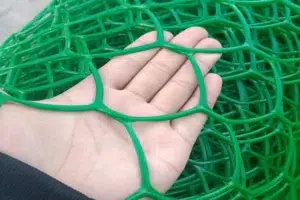
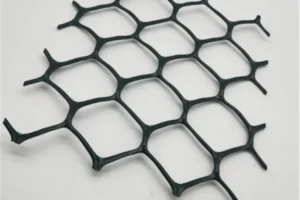
Geocell is different from a flat geogrid or geotextile. It forms a three-dimensional honeycomb structure after expansion. When the cells are filled with aggregate, gravel, sand, or soil, the cell walls restrict the lateral movement of the infill.
This is important in road construction because traffic load does not only push downward. It also pushes base material outward. When the base material moves, the road loses thickness, compaction, and stability.
A basic technical explanation of cellular confinement systems[^1] can help buyers understand why geocell is not just a plastic sheet. It is a confinement system that works together with compacted fill.
Geocell helps distribute load
A road built on weak soil needs a stable base layer. Without reinforcement, wheel loads can create local pressure and cause deformation.
Geocell spreads the load over a wider area by creating a confined mattress layer. This does not mean geocell can replace every design requirement. The subgrade still needs proper preparation. The infill still needs proper compaction. The drainage still needs to work.
Geocell can reduce aggregate loss
In many road projects, aggregate is one of the biggest material costs. If aggregate moves into soft soil or spreads under traffic, the project needs more material and more maintenance.
Geocell helps keep aggregate inside the cells. This can improve the use of base material, especially where good aggregate is expensive or difficult to transport.
| Road Problem | How Geocell Helps | Factory-Side Judgment |
|---|---|---|
| Weak subgrade | Spreads load and improves base stability | Match cell height and thickness to load |
| Aggregate movement | Confines fill inside the cells | Check cell size and weld strength |
| Rutting | Reduces lateral displacement | Use proper infill and compaction |
| Settlement | Improves base layer support | Prepare subgrade before installation |
| High aggregate cost | Reduces material loss | Confirm infill quality before design |
For project buyers, the first step is to review the correct geocell product specification before comparing only price.
How Should The Road Subgrade Be Prepared Before Installing Geocell?
Many geocell road problems are caused by poor subgrade preparation. If the base is soft, uneven, wet, or full of debris, the geocell layer cannot perform correctly.
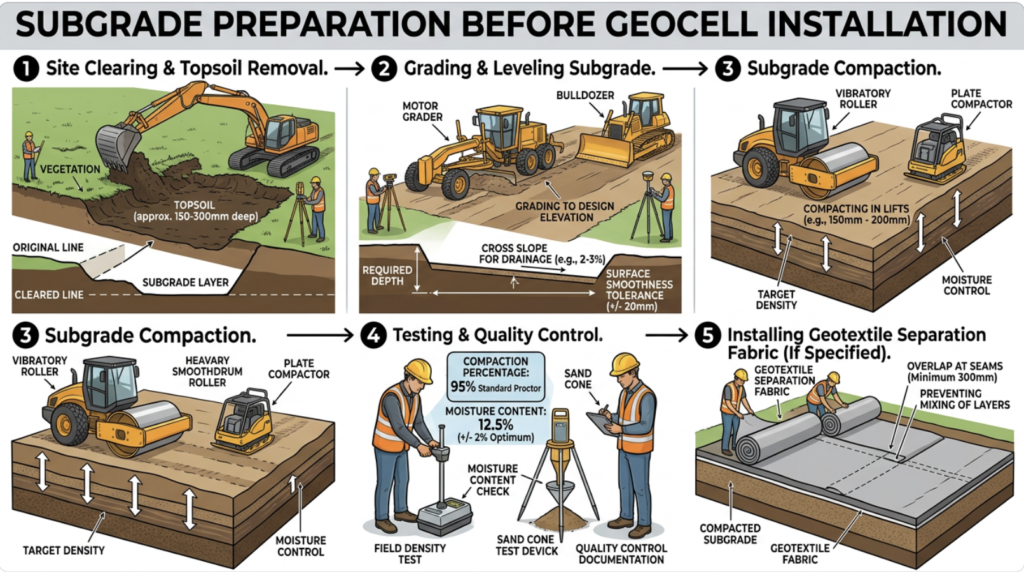
Before installing geocell, the road subgrade should be cleared, leveled, compacted, drained, and checked for weak areas. In many road projects, a geotextile separation layer should be placed under the geocell to prevent soil and aggregate from mixing.
Clear and level the subgrade
The subgrade should be cleaned before panel placement. Workers should remove roots, sharp stones, mud pockets, large debris, and standing water. The surface should be shaped according to the road design.
This step looks simple, but it affects the whole system. If the surface is uneven, some cells may carry more stress than others. If there are holes or soft spots, the filled geocell can sink after traffic begins.
A geocell panel should sit on a stable surface. It should not bridge over voids or cover problems that should be repaired first.
Compact the soil before installation
Geocell improves the base layer, but it does not remove the need for soil compaction. The subgrade should be compacted according to the project requirement.
If the soil is too loose, the reinforced layer may still settle. If the moisture content is too high, the road may pump or deform under repeated load. If the soil is too weak, the engineer may need a thicker base, stronger geocell, better drainage, or additional geosynthetic layers.
Use geotextile for separation
In many road projects, geotextile is placed between the subgrade and the geocell layer. The geotextile helps keep fine soil from mixing with the aggregate layer.
This matters because contaminated aggregate loses strength. Fine soil can fill the voids between aggregate particles. Then drainage becomes worse and compaction performance drops.
The wider category of geosynthetics[^2] includes geocells, geotextiles, geogrids, geomembranes, and other materials used for stabilization, drainage, filtration, separation, and containment. In road construction, geocell and geotextile often work together because they solve different problems.
| Preparation Step | Purpose | Risk If Ignored |
|---|---|---|
| Remove debris | Prevent damage and uneven support | Local stress and panel damage |
| Level the surface | Help panels expand evenly | Poor contact and uneven filling |
| Compact subgrade | Improve support below the system | Settlement under traffic |
| Control water | Reduce softening and pumping | Long-term road deformation |
| Add geotextile | Separate soil and aggregate | Loss of base strength |
Buyers can review related geotextile separation materials when the road project has soft soil, fine subgrade, or drainage concerns.
What Is The Correct Geocell Installation Process For Roads?
Geocell installation is not complicated, but the sequence matters. The panels must be expanded, fixed, connected, filled, and compacted correctly.
The correct process is to prepare the subgrade, place geotextile if needed, expand the geocell panels, anchor them, connect adjacent sections, fill the cells with suitable material, level the infill, compact the layer, and build the road surface above it.
Step 1: Place and expand the panels
After the subgrade is ready, workers place the folded geocell panels on the road section. The panels are then expanded to the designed size.
The cells should open evenly. The panel should not be overstretched. It should also not be left loose. Wrong expansion changes cell size and can reduce the confinement effect.
For long road sections, alignment should be checked during installation. Small mistakes can become larger when many panels are connected.
Step 2: Anchor the geocell
Anchors or stakes hold the geocell in position before filling. Anchor spacing depends on site conditions, slope, soil, traffic during construction, and panel size.
A flat access road may need one anchoring plan. A road on soft soil or a sloped section may need stronger anchoring. The goal is to stop the panel from moving while aggregate is placed and spread.
Weak anchoring can cause panel distortion. If the cells move before they are filled, the final layer may not match the design.
Step 3: Connect adjacent panels
Road projects usually need many geocell panels. These panels should be connected properly to create a continuous reinforced layer.
If the connection is weak, the system may separate during filling or compaction. The road base should work as one system, not many disconnected sections.
Step 4: Fill and compact the cells
The cells are filled with aggregate, gravel, sand, or approved local material. For load-bearing road construction, well-graded aggregate is usually preferred.
The filling should be controlled. Heavy machinery should not damage empty cells. The infill should slightly overfill the cells before final compaction because compaction will reduce volume.
Compaction is critical. If compaction is too weak, the road may settle. If equipment is too aggressive before there is enough cover, the cell walls may be damaged.
| Installation Step | Key Control Point | Why It Matters |
|---|---|---|
| Panel placement | Correct direction and alignment | Keeps the road section consistent |
| Expansion | Cells opened to design size | Maintains confinement effect |
| Anchoring | Stable fixing before filling | Prevents movement and distortion |
| Connection | Adjacent panels joined correctly | Creates continuous reinforcement |
| Filling | Suitable material placed evenly | Protects cell walls and improves stability |
| Compaction | Correct equipment and sequence | Builds the final load-bearing layer |
For road projects that also need pavement reinforcement, buyers may compare the function of geocell with geogrid reinforcement products. Geocell confines fill in 3D. Geogrid reinforces soil through interlock and tensile strength. They are not the same product.
What Geocell Specification Is Better For Road Construction?
A road project should not use geocell specification blindly. The right choice depends on traffic load, subgrade strength, base thickness, infill type, road life, and project budget.
For road construction, buyers should check material type, sheet thickness, cell height, weld strength, weld spacing, surface texture, perforation, and panel size. Heavy-load road projects usually need stronger welds, stable HDPE sheet quality, and suitable cell height.
Material affects long-term stability
HDPE is commonly used for road geocell because it has good flexibility, chemical resistance, and field handling performance. But the material name alone is not enough.
Buyers should ask about resin quality, recycled content, UV additives, and sheet consistency. A low-cost material can reduce the price, but it can also create cracking, weak welding, or faster aging.
This matters more for export buyers. Once the material reaches the site, replacing a poor batch is expensive and slow.
Cell height affects confinement
Cell height decides how much infill material the geocell can hold. Higher cells usually provide stronger confinement. This can help in weak subgrade areas or higher-load road sections.
But higher cell height also increases material cost. It can also change filling quantity and installation planning.
The best specification is not always the highest cell height. The best specification is the one that matches the road design.
Weld strength affects system safety
Road geocell panels face stress during expansion, anchoring, filling, compaction, and traffic use. The welded joints must stay stable.
Weak welds can open under tension. Once the joints fail, the cells lose shape and the infill can move. This is why weld strength should be discussed before bulk order.
| Specification | Why It Matters In Roads | Buyer Should Confirm |
|---|---|---|
| Material | Affects durability and flexibility | HDPE / PP and resin quality |
| Sheet Thickness | Affects strength and stiffness | Measured thickness and tolerance |
| Cell Height | Affects confinement depth | Road load and base design |
| Weld Strength | Affects cell stability | Joint strength and production control |
| Weld Spacing | Affects cell opening size | Infill compatibility |
| Surface Texture | Improves friction with infill | Needed for base layer stability |
| Perforation | Supports drainage and soil interaction | Needed based on water condition |
A professional inquiry should include road type, expected load, subgrade condition, infill material, required quantity, and destination port. Without these details, the factory can only give a general quotation.
What Infill Material Should Be Used With Geocell In Road Construction?
The geocell panel is only one part of the road system. The infill decides how the cell structure behaves under load.
Common infill materials for road geocell include crushed stone, gravel, sand, soil, recycled aggregate, and sometimes concrete. For load-bearing roads, well-graded aggregate is usually preferred because it compacts well, drains well, and provides better interlock inside the cells.
Crushed stone is common for stronger roads
Crushed stone is often used in road bases because it provides good interlock and compaction. When crushed stone is confined inside geocell cells, the particles are less likely to spread sideways.
This improves the stability of the base layer. It also helps keep the road structure more consistent under repeated wheel loads.
The buyer should still check aggregate size and gradation. If the aggregate is too large for the cell opening, it may not compact well. If it has too many fines, drainage and strength may drop.
Local soil can reduce cost but needs checking
Some low-volume roads or temporary access roads use local soil or sand as infill. This can reduce material and transport cost.
But local soil is not always suitable. If the soil is too wet, too plastic, too fine, or hard to compact, the road may still fail. The buyer should not assume that geocell can make poor fill material perform like good aggregate.
Recycled material can work in some projects
Recycled aggregate can be used when it is clean, graded, and suitable for compaction. This can reduce cost and support resource reuse.
But recycled material must be checked carefully. Sharp debris, mixed waste, too many fines, or inconsistent particle size can damage the geocell or weaken the base.
FHWA’s geosynthetic reinforced soil guidance explains the broader engineering logic of using compacted granular fill with geosynthetic reinforcement to improve construction performance. Geosynthetic reinforced soil guidance[^3] This is not a geocell-only document, but it supports the basic idea that reinforcement and compacted fill must work together.
| Infill Material | Best Use | Key Risk |
|---|---|---|
| Crushed stone | Load-bearing road base | Higher material cost |
| Gravel | Access roads and base layers | Must be well graded |
| Sand | Light-duty or specific designs | Needs careful compaction |
| Local soil | Temporary or low-load roads | May be weak or too wet |
| Recycled aggregate | Cost-control projects | Must be clean and consistent |
| Concrete | Special hard-surface sections | Higher cost and less flexibility |
The best infill is not always the cheapest material on site. It is the material that can compact, drain, interlock, and stay stable inside the geocell.
What Mistakes Should Buyers Avoid When Using Geocell In Roads?
Most road geocell problems come from wrong specification, poor site preparation, weak filling control, or price-only purchasing.
Buyers should avoid choosing geocell only by price, using the wrong cell height, ignoring weld strength, skipping geotextile separation, using poor infill, under-compacting the base, or failing to match the product to the road load and soil condition.
Mistake 1: Choosing only by square meter price
A low square-meter price may hide thinner sheets, lower-grade resin, weak welds, or smaller panel sizes. The quotation may look better, but the product may not match the road.
For road projects, price should be compared only after specification is clear. If two suppliers quote different thicknesses, heights, or weld spacing, the prices are not comparable.
Mistake 2: Ignoring weld strength
The weld point holds the geocell strips together. If weld strength is weak, the honeycomb structure can open during installation or service.
Some buyers focus only on sheet thickness. That is not enough. A thicker sheet with poor welding can still fail.
Mistake 3: Using poor infill
Geocell improves the behavior of the infill layer, but it does not turn unsuitable fill into a strong road base. If the infill cannot compact or drain, the road may still deform.
Buyers should confirm infill type before choosing cell height and cell size.
Mistake 4: Forgetting drainage
Water can weaken the road base and subgrade. If water stays inside the structure, the road may soften, pump, or rut.
Drainage should be part of the design. In some projects, perforated geocell, geotextile, side drains, and proper road slope should work together.
| Mistake | Result | Better Practice |
|---|---|---|
| Choosing lowest price | Wrong product may be supplied | Compare full specification first |
| Ignoring subgrade | Settlement may continue | Prepare and compact base first |
| Weak anchoring | Panel moves during filling | Anchor according to site condition |
| Poor infill | Weak base performance | Use suitable compactable material |
| Weak compaction | Later rutting or settlement | Compact layer correctly |
| No drainage plan | Water weakens road base | Plan drainage before installation |
For market research and installation visuals, buyers can check TikTok geocell road construction videos[^4]. These videos can show field examples, but they should not replace project design or factory technical confirmation.
How Should Buyers Source Geocell For Road Construction Projects?
A road geocell purchase should begin with project information, not only product photos or price. The factory needs enough details to recommend the right material and specification.
To source geocell for road construction, buyers should provide road type, subgrade condition, traffic load, base thickness, infill material, cell height, sheet thickness, quantity, destination port, packing needs, and project schedule. This helps the factory quote the correct product.
Send the road condition first
A temporary access road, a rural road, a mine haul road, and a permanent paved road are not the same. Each project has different load, drainage, compaction, and life requirements.
If a buyer sends only quantity and asks for price, the factory may quote a standard product. That standard product may not fit the site.
A better inquiry includes road use, traffic type, soil condition, rainfall condition, and available infill material.
Ask for specification confirmation
The buyer should ask the factory to confirm the material, thickness, height, weld spacing, perforation, surface texture, panel size, and packing.
If the project has drawings, send them. If the buyer does not have drawings, the factory should explain which specification is commonly used for similar road conditions.
Check export support
For overseas buyers, export support matters. A road project often has a tight schedule. Poor packing, unclear labels, delayed production, or missing documents can affect the project.
A reliable supplier should confirm production time, roll or bundle packing, container loading, labels, documents, and shipping terms before shipment.
| Buyer Information | Why Factory Needs It | What It Helps Confirm |
|---|---|---|
| Road Type | Defines load and use | Suitable geocell grade |
| Subgrade Condition | Shows soil support level | Cell height and base design |
| Traffic Load | Affects strength demand | Thickness and weld quality |
| Infill Material | Affects confinement behavior | Cell size and compaction plan |
| Quantity | Affects production and price | MOQ and lead time |
| Destination Port | Affects shipping plan | Freight and loading details |
| Project Schedule | Affects delivery planning | Production priority and shipment |
For buyers comparing full road reinforcement solutions, it is useful to review MJY geosynthetic material options and select products based on project function, not only unit price.
My View
When I help buyers select geocell for road construction, I start with the road condition, not the price list. The product must match the subgrade, traffic load, infill material, drainage condition, and construction method.
The most common mistake is using one standard geocell for every road project. A temporary site road, a soft soil road, and a heavy-duty haul road need different specifications. The material, cell height, weld strength, and infill choice should change with the project.
A good factory should not only ask how many square meters you need. It should ask where the geocell will be used, what load the road will carry, what material will fill the cells, and how the goods will be shipped.
My suggestion is direct. Confirm the road application first. Confirm the geocell specification second. Compare price last. This order helps buyers avoid weak material, wrong thickness, poor weld strength, and costly project delays.
Conclusion
Geocell works in road construction when the subgrade, specification, anchoring, infill, compaction, and drainage are handled correctly. The right product must match the road, not only the budget.
Footnotes
[^1]: This Wikipedia page is used to support the basic definition and working logic of cellular confinement systems, also known as geocells.
[^2]: This Wikipedia page is used to explain the broader function of geosynthetics in stabilization, separation, filtration, drainage, and civil engineering applications.
[^3]: This FHWA page is used as a neutral engineering reference for the broader concept of geosynthetic reinforcement working together with compacted granular fill.
[^4]: This TikTok search page is included as a social media reference for geocell road construction visuals. Buyers should verify technical decisions with project design and supplier data.